Nigeria stands at a decisive crossroads. With every election cycle, the nation is presented with an opportunity to correct past mistakes, strengthen democratic institutions, and set itself firmly on the path of sustainable progress. Yet despite its enormous human and natural resources, Nigeria continues to grapple with stagnation, insecurity, economic instability, and weak institutions. The root cause of these challenges, many analysts agree, is the persistent failure to elect leaders who possess the integrity, competence, and vision required to govern effectively. A nation’s destiny is shaped by the quality of those entrusted with power. Countries that have risen from poverty to prosperity did so largely because they were led by individuals committed to national development over personal gain. The examples of Rwanda or Singapore are instructive. Their stories demonstrate what is possible when visionary leadership aligns with a clear development agenda. Nigeria, with its vast potential, can follow a similar trajectory but only if citizens make deliberate choices at the ballot box.
Markets, financial systems and national security architecture respond proportionately to quality of leadership. This is why election outcomes matter greatly. Leadership is the engine of national direction. Every sector whether education, healthcare, infrastructure, agriculture, or technology depends on leadership for direction and effectiveness. Policies that stimulate growth, create jobs, and attract investment are crafted and implemented by those in power. When leaders lack the knowledge, discipline or moral compass to manage state affairs, the entire nation suffers. Nigeria’s development challenges are not unsolvable. They require leaders who can think strategically, plan long-term, and utilise resources responsibly. Competent leadership provides the blueprint for progress and ensures that institutions function as they should. Conversely, weak leadership breeds inefficiency, corruption, and widespread disillusionment.
No country can thrive on the strength of individuals alone. Nations succeed when institutions, not personalities, form the backbone of governance. Unfortunately, Nigeria’s institutions have often been weakened by leaders who see public office as an avenue for personal enrichment and power rather than national service. Strong institutions guarantee the rule of law, accountability and predictability. These are qualities investors need before committing to an economy. They also ensure continuity of policy regardless of political transitions. A resilient Independent National Electoral Commission (INEC), a fearless judiciary, empowered anti-corruption agencies and professionally run police and security forces are all essential pillars of democratic stability. Electing leaders who respect and strengthen these institutions is vital. When leaders interfere with court rulings, politicise anti-corruption bodies, or manipulate the electoral process, they erode public trust. On the other hand, leaders who empower institutions create an environment where fairness and justice can flourish, and development follows.
Nigeria has lost staggering amounts of public funds to corruption, mismanagement and opaque governance. Roads remain uncompleted, hospitals lack equipment, and schools operate under deplorable conditions while billions disappear through inflated contracts or “ghost projects.” This reality underscores why accountability must sit at the heart of leadership. Good leaders understand that public office is a trust. Accountability ensures that resources are used for the benefit of all citizens. Transparent budgeting, regular audits, open procurement processes and consequences for wrongdoing are necessary components of responsible governance. Electing leaders who prioritise accountability is essential for improving public services and restoring confidence in government institutions.
Demographically, Nigeria is one of the youngest countries in the world, with millions of energetic citizens who are eager to contribute to national development. Yet, youth unemployment remains alarmingly high and opportunities for meaningful engagement are scarce. Women, who constitute half of the population, continue to face barriers that limit their participation in leadership and decision-making processes. Good leaders must recognise that a nation cannot progress while sidelining its most productive demographic groups. Policies that expand access to quality education, promote skills acquisition, encourage entrepreneurship and create sustainable job opportunities are critical. Similarly, inclusive governance that empowers women and youth is essential for building a more equitable and prosperous Nigeria. Leadership that invests in the next generation helps build a society where innovation thrives and citizens can envision a brighter future.
Insecurity remains one of Nigeria’s most pressing challenges. From terrorism and banditry to kidnapping and communal conflicts, the threats to national stability are multifaceted. Insecurity not only disrupts lives but also discourages investment, stifles agriculture, hampers education and prevents economic growth. Solving these problems requires leaders with the capacity to reform the security architecture, invest in technology-driven intelligence, improve inter-agency collaboration and address the underlying social and economic factors that fuel unrest. Competent leadership ensures that security forces are well-trained, well-equipped and motivated to protect lives and property. Without security, development is impossible. Electing leaders who can restore stability is therefore not just desirable, it is an existential necessity.
One of Nigeria’s most destructive political habits is the tendency to vote based on ethnicity, religion or immediate material benefit. These sentiments have repeatedly produced leaders who lack the capacity to deliver meaningful progress. Elections determine the quality of life citizens enjoy for years. They must not be guided by temporary emotions or parochial interests. To build the Nigeria we desire, voters must consider character, competence, track record, vision and capacity to unite when choosing leaders. When citizens prioritise merit over sentiment, they increase the likelihood of electing leaders capable of moving the nation forward.
In conclusion, Nigeria is a nation of immense promise. Its vibrant population, cultural richness, natural resources and entrepreneurial energy position it for greatness. But potential alone cannot build a better future. Progress is the outcome of deliberate action and the most crucial action citizens can take is to elect leaders who embody integrity, competence, and a genuine commitment to national development. Each election presents a fresh opportunity to correct past missteps. If Nigerians choose wisely, the nation can begin a new chapter of stability, prosperity and global respect. But if voters allow old habits to prevail, the cycle of stagnation will continue. For Nigeria to achieve meaningful progress, we must elect good leaders who serve with purpose, lead with vision and govern with accountability. The future of the nation rests in the choices of its people. Now more than ever, those choices must be driven by wisdom, not sentiment.
business a.m. commits to publishing a diversity of views, opinions and comments. It, therefore, welcomes your reaction to this and any of our articles via email: comment@businessamlive.com

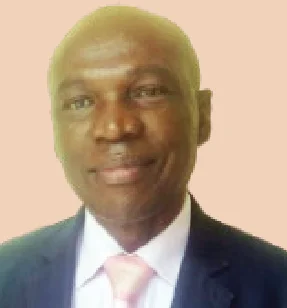
Kelechi C. Udochukwu is a fintech analyst who has worked in retail, investment and microfinance banking institutions. He has over 30 years managerial experience. Send feedback and responses to comment@businessamlive.com