Nigerian bourse down N220bn as consumer, hospitality stocks drag market 

Onome Amuge

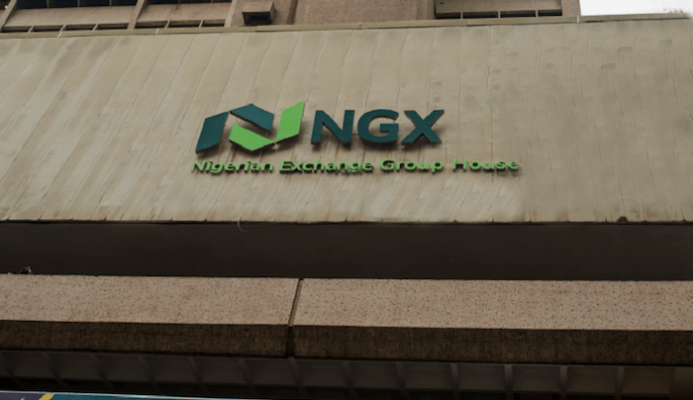
The Nigerian stock market opened the week on a sour note as the NGX All-Share Index (ASI) fell by 0.24 per cent to close at 141,498.22 points, erasing N219.63 billion in value and pulling year-to-date returns down to 37.48 per cent. The sell-off, which analysts say reflects fragile investor confidence, was broad-based, with 28 decliners overwhelming 21 gainers in Monday’s trading session.

The benchmark capitalisation of equities slipped to N89.52 trillion from N89.74 trillion recorded at the end of last week, underscoring the scale of losses across blue-chip and mid-tier counters. Market breadth was firmly negative at 0.8x, reflecting a cautious tone among investors who had until recently enjoyed one of the best-performing equity markets globally.

Among the biggest losers were McNichols Plc, Ikeja Hotels Plc, and FTN Cocoa, all of which suffered steep declines that dragged sentiment lower across their respective sectors. McNichols Plc saw its share price tumble by 10 per cent to N3.33, down from N3.70, marking one of the sharpest single-day losses on the NGX.

Hospitality group Ikeja Hotels Plc fell by 9.80 per cent to N20.70, compared with N22.95 in the previous session. Analysts attributed the decline to thin liquidity in the stock, with modest selling pressure amplifying price swings in a sector already vulnerable to weak consumer spending and high operating costs.

FTN Cocoa Processors Plc, a small-cap agribusiness stock often viewed as a speculative play, shed 8.33 per cent to N5.50, down from N6.00. The decline came despite recent optimism in Nigeria’s agricultural value chain following government pledges to improve agro-processing infrastructure.

Consumer-facing giant Nigerian Breweries Plc also featured among the notable laggards, slipping 2.33 per cent to close at N73.70. The brewer, which traded 32 million shares worth N2.4 billion, continues to face rising input costs and depressed real consumer incomes as inflation above 20 per cent erodes household spending. Honeywell Flour Mills Plc fell by 5.50 per cent to N3.09, reflecting ongoing pressures in the food manufacturing segment, where higher wheat import costs and foreign exchange shortages remain major drags.

Losses were widespread across key sectors. The banking index retreated by 1.25 per cent, with heavyweights such as Zenith Bank and Guaranty Trust Holding Company trading actively but finishing the day weaker. Zenith Bank alone accounted for N3.8 billion in value traded across 1,503 deals, underscoring investor concentration in the sector even as prices softened.

The insurance index dipped by 0.08 per cent, dragged by sell-offs despite high trading volumes in Universal Insurance Plc, which led the volume chart with 79 million shares traded. Consumer goods stocks declined by 0.77 per cent, pressured by Nigerian Breweries and Honeywell Flour. Oil and gas names lost 0.50 per cent, reflecting lower appetite for energy stocks despite global crude prices remaining elevated. The industrial goods and commodity indices, however, closed flat, providing little cushion for the wider market.

The day’s trading data revealed volumes rose by 12.25 per cent to 488.56 million units, indicating active participation, but value traded fell 9.32 per cent to N13.72 billion, suggesting a tilt toward lower-priced and mid-cap stocks. The total number of deals climbed to 28,621, signalling broad activity but little conviction behind major moves.

While gainers such as Royal Exchange Assurance (up 9.80 per cent to N2.24), Secure Electronic Technology (up 6.67 per cent to N0.80), and Chams Plc (up 6.13 per cent to N3.29) managed to brighten the tape, their performance was overshadowed by larger-cap losses. Analysts noted that the dominance of smaller stocks among the day’s top performers reflected speculative positioning rather than a sustained shift in sentiment.

Market watchers point to Nigeria’s challenging macroeconomic backdrop as the main drag on equities. Inflation, which has remained above 20 per cent, continues to erode real returns on investments while dampening consumer spending. Foreign exchange shortages and volatile oil revenues add further layers of uncertainty for corporates and investors alike.

The financial services sector, which has been a stabilising force in past sessions, showed signs of vulnerability as investors rotated out of banking names amid concerns over rising non-performing loans and tighter regulatory oversight. Hospitality and consumer goods stocks, often barometers of domestic demand, bore the brunt of Monday’s sell-off, reflecting a cautious outlook for household consumption.

Despite Monday’s losses, year-to-date returns remain high at 37.48 per cent, leaving Nigeria among the top-performing frontier markets in 2025. Analysts expect bargain-hunting to provide some support in coming sessions, particularly if banking heavyweights attract renewed buying interest. However, volatility is likely to persist as investors weigh corporate earnings against a still-uncertain macroeconomic environment.


Leave a Comment

Nigerian bourse down N220bn as consumer, hospitality stocks drag market 

Onome Amuge

The Nigerian stock market opened the week on a sour note as the NGX All-Share Index (ASI) fell by 0.24 per cent to close at 141,498.22 points, erasing N219.63 billion in value and pulling year-to-date returns down to 37.48 per cent. The sell-off, which analysts say reflects fragile investor confidence, was broad-based, with 28 decliners overwhelming 21 gainers in Monday’s trading session.

The benchmark capitalisation of equities slipped to N89.52 trillion from N89.74 trillion recorded at the end of last week, underscoring the scale of losses across blue-chip and mid-tier counters. Market breadth was firmly negative at 0.8x, reflecting a cautious tone among investors who had until recently enjoyed one of the best-performing equity markets globally.

Among the biggest losers were McNichols Plc, Ikeja Hotels Plc, and FTN Cocoa, all of which suffered steep declines that dragged sentiment lower across their respective sectors. McNichols Plc saw its share price tumble by 10 per cent to N3.33, down from N3.70, marking one of the sharpest single-day losses on the NGX.

Hospitality group Ikeja Hotels Plc fell by 9.80 per cent to N20.70, compared with N22.95 in the previous session. Analysts attributed the decline to thin liquidity in the stock, with modest selling pressure amplifying price swings in a sector already vulnerable to weak consumer spending and high operating costs.

FTN Cocoa Processors Plc, a small-cap agribusiness stock often viewed as a speculative play, shed 8.33 per cent to N5.50, down from N6.00. The decline came despite recent optimism in Nigeria’s agricultural value chain following government pledges to improve agro-processing infrastructure.

Consumer-facing giant Nigerian Breweries Plc also featured among the notable laggards, slipping 2.33 per cent to close at N73.70. The brewer, which traded 32 million shares worth N2.4 billion, continues to face rising input costs and depressed real consumer incomes as inflation above 20 per cent erodes household spending. Honeywell Flour Mills Plc fell by 5.50 per cent to N3.09, reflecting ongoing pressures in the food manufacturing segment, where higher wheat import costs and foreign exchange shortages remain major drags.

Losses were widespread across key sectors. The banking index retreated by 1.25 per cent, with heavyweights such as Zenith Bank and Guaranty Trust Holding Company trading actively but finishing the day weaker. Zenith Bank alone accounted for N3.8 billion in value traded across 1,503 deals, underscoring investor concentration in the sector even as prices softened.

The insurance index dipped by 0.08 per cent, dragged by sell-offs despite high trading volumes in Universal Insurance Plc, which led the volume chart with 79 million shares traded. Consumer goods stocks declined by 0.77 per cent, pressured by Nigerian Breweries and Honeywell Flour. Oil and gas names lost 0.50 per cent, reflecting lower appetite for energy stocks despite global crude prices remaining elevated. The industrial goods and commodity indices, however, closed flat, providing little cushion for the wider market.

The day’s trading data revealed volumes rose by 12.25 per cent to 488.56 million units, indicating active participation, but value traded fell 9.32 per cent to N13.72 billion, suggesting a tilt toward lower-priced and mid-cap stocks. The total number of deals climbed to 28,621, signalling broad activity but little conviction behind major moves.

While gainers such as Royal Exchange Assurance (up 9.80 per cent to N2.24), Secure Electronic Technology (up 6.67 per cent to N0.80), and Chams Plc (up 6.13 per cent to N3.29) managed to brighten the tape, their performance was overshadowed by larger-cap losses. Analysts noted that the dominance of smaller stocks among the day’s top performers reflected speculative positioning rather than a sustained shift in sentiment.

Market watchers point to Nigeria’s challenging macroeconomic backdrop as the main drag on equities. Inflation, which has remained above 20 per cent, continues to erode real returns on investments while dampening consumer spending. Foreign exchange shortages and volatile oil revenues add further layers of uncertainty for corporates and investors alike.

The financial services sector, which has been a stabilising force in past sessions, showed signs of vulnerability as investors rotated out of banking names amid concerns over rising non-performing loans and tighter regulatory oversight. Hospitality and consumer goods stocks, often barometers of domestic demand, bore the brunt of Monday’s sell-off, reflecting a cautious outlook for household consumption.

Despite Monday’s losses, year-to-date returns remain high at 37.48 per cent, leaving Nigeria among the top-performing frontier markets in 2025. Analysts expect bargain-hunting to provide some support in coming sessions, particularly if banking heavyweights attract renewed buying interest. However, volatility is likely to persist as investors weigh corporate earnings against a still-uncertain macroeconomic environment.

[quads id=1]

Get Copy

Leave a Comment