Nigerian Breweries deepens green transition drive with 2030 net-zero goal

Onome Amuge

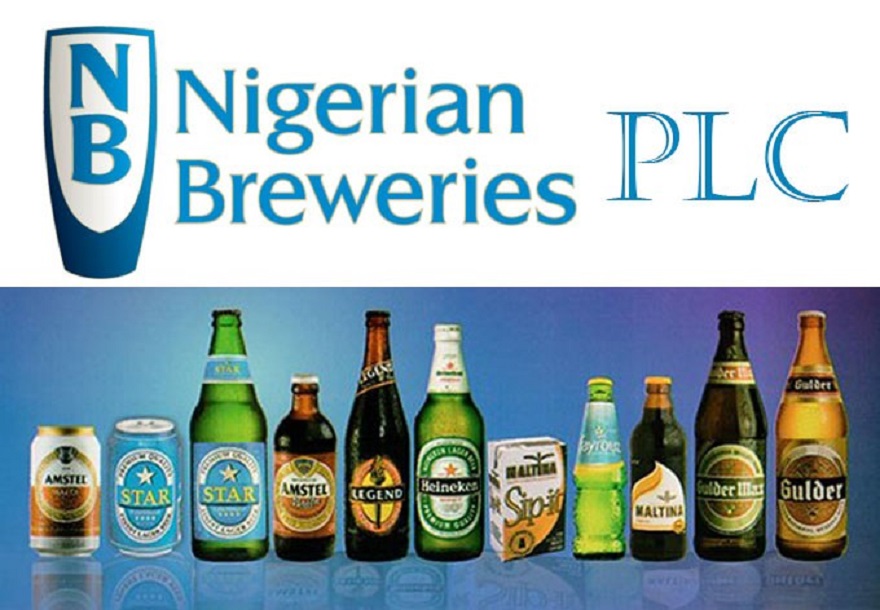
Nigerian Breweries Plc, the country’s largest beer producer, is repositioning its business model around sustainability as climate regulation and investor scrutiny intensify in Africa’s most populous nation.  The brewer, a subsidiary of Heineken N.V., is targeting net-zero emissions in its operations nationwide by 2030, a timeline that places it ahead of most Nigerian industrial peers.

The brewer’s investments in renewable energy, carbon efficiency, and community resilience was highlighted by Uzodinma Odenigbo, corporate affairs director at Nigerian Breweries (NB) at a media engagement in Lagos, recently. He also disclosed that the company has spent more than N2.5 billion over the past few years to decarbonise production and power its facilities with cleaner energy sources.

Over the past three years, NB has signed multiple power purchase agreements (PPAs) with independent renewable energy firms to integrate biomass, solar, and energy-efficient systems into its breweries. The company’s plants in Ibadan, Kaduna, and Lagos have already begun partial operations on biomass boilers using agricultural waste, reducing dependence on grid electricity and imported fuels. 

In a country where industry often competes with households for unreliable power, NB’s moves are part of a quiet energy transition underway in corporate Nigeria. Firms from cement to food processing are exploring off-grid renewables to control costs and reduce carbon exposure, a trend investors are beginning to price into valuations.

NB’s environmental footprint extends beyond energy. The brewer has backed watershed restoration projects in water-stressed communities, including the Olokomeji reforestation initiative in Ogun State, where over 300,000 trees have been planted to protect local aquifers. It has also invested N200 million in skills development and cassava processing plants in Kaduna and Awo-Omamma to strengthen local supply chains and reduce logistics-related emissions.

The company’s circular packaging model, anchored in reusable glass bottles, is considered one of its strongest sustainability levers. In a market where plastic pollution is increasingly under public scrutiny, NB’s long-standing glass recovery network has become an industry benchmark for circularity.

Odenigbo identified these initiatives as part of NB’s “Brew a Better World” strategy, a Heineken-wide sustainability platform adapted to local realities. “We are not just brewing beer; we are brewing resilience,” he said, underscoring plans to expand community empowerment programmes and responsible drinking campaigns in partnership with the Federal Road Safety Corps (FRSC) and other members of the Beer Sectoral Group.

According to Nigerian Breweries, the race to net-zero is less about moral imperative and more about market endurance, in a bid to stay profitable, sustainable, and relevant in a low-carbon global economy that is closing its doors to high-emission producers.

Leave a Comment

Nigerian Breweries deepens green transition drive with 2030 net-zero goal

Onome Amuge

Nigerian Breweries Plc, the country’s largest beer producer, is repositioning its business model around sustainability as climate regulation and investor scrutiny intensify in Africa’s most populous nation.  The brewer, a subsidiary of Heineken N.V., is targeting net-zero emissions in its operations nationwide by 2030, a timeline that places it ahead of most Nigerian industrial peers.

The brewer’s investments in renewable energy, carbon efficiency, and community resilience was highlighted by Uzodinma Odenigbo, corporate affairs director at Nigerian Breweries (NB) at a media engagement in Lagos, recently. He also disclosed that the company has spent more than N2.5 billion over the past few years to decarbonise production and power its facilities with cleaner energy sources.

Over the past three years, NB has signed multiple power purchase agreements (PPAs) with independent renewable energy firms to integrate biomass, solar, and energy-efficient systems into its breweries. The company’s plants in Ibadan, Kaduna, and Lagos have already begun partial operations on biomass boilers using agricultural waste, reducing dependence on grid electricity and imported fuels. 

In a country where industry often competes with households for unreliable power, NB’s moves are part of a quiet energy transition underway in corporate Nigeria. Firms from cement to food processing are exploring off-grid renewables to control costs and reduce carbon exposure, a trend investors are beginning to price into valuations.

NB’s environmental footprint extends beyond energy. The brewer has backed watershed restoration projects in water-stressed communities, including the Olokomeji reforestation initiative in Ogun State, where over 300,000 trees have been planted to protect local aquifers. It has also invested N200 million in skills development and cassava processing plants in Kaduna and Awo-Omamma to strengthen local supply chains and reduce logistics-related emissions.

The company’s circular packaging model, anchored in reusable glass bottles, is considered one of its strongest sustainability levers. In a market where plastic pollution is increasingly under public scrutiny, NB’s long-standing glass recovery network has become an industry benchmark for circularity.

Odenigbo identified these initiatives as part of NB’s “Brew a Better World” strategy, a Heineken-wide sustainability platform adapted to local realities. “We are not just brewing beer; we are brewing resilience,” he said, underscoring plans to expand community empowerment programmes and responsible drinking campaigns in partnership with the Federal Road Safety Corps (FRSC) and other members of the Beer Sectoral Group.

According to Nigerian Breweries, the race to net-zero is less about moral imperative and more about market endurance, in a bid to stay profitable, sustainable, and relevant in a low-carbon global economy that is closing its doors to high-emission producers.

[quads id=1]

Get Copy

Leave a Comment