Onome Amuge
The Nigeria Immigration Service (NIS) has announced another upward review in the cost of obtaining the Nigerian Standard Passport, with new rates set to take effect from September 1, 2025.
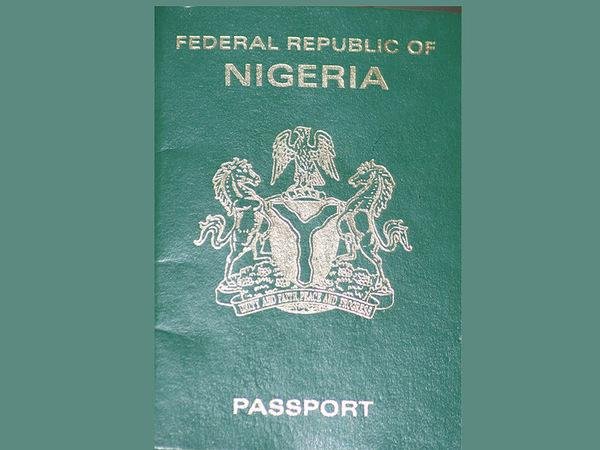
According to a statement signed on Thursday by ACI AS Akinlabi, the Service Public Relations Officer, the revised fees will only apply to passport applications submitted within Nigeria. The 32-page passport with a five-year validity period will now cost N100,000, while the 64-page booklet with a ten-year validity will cost N200,000.
The NIS clarified that the new fees do not apply to Nigerians abroad. Application fees for those in the diaspora remain fixed at $150 for the 32-page, five-year passport and $230 for the 64-page, ten-year option.
Explaining the rationale for the review, the Service said the adjustment was necessary to maintain the quality and integrity of the Nigerian passport while ensuring accessibility for citizens. Officials also stated that the increase will support improved service delivery and the sustainability of the country’s e-passport infrastructure.
This development marks the second time in as many years that the federal government has approved higher passport costs. In August 2024, the 32-page booklet rose from N35,000 to N50,000, while the 64-page booklet doubled from N70,000 to N100,000. The new review means that between September 2024 and September 2025, the cost of a standard 32-page passport would have nearly tripled, while the 64-page booklet would have risen by 185 percent.
Immigration officials, however, maintain that the pricing reflects the true cost of passport production, given rising input costs and the need to align with global security standards for travel documents. The Service also positions the adjustment as part of its reforms to digitise passport issuance and eliminate long-standing complaints of shortages and bureaucratic delays.
Despite the official assurance that accessibility will be protected, concerns remain that the new rates could put passports further out of reach for low-income earners. Many Nigerians have long complained about the high costs associated with travel documents, particularly when compared with peer African countries.
As September’s implementation date approaches, stakeholders will be watching closely to see if the higher fees will be matched with faster issuance timelines, better service quality, and reduced incidences of middlemen and unofficial charges that continue to plague the system.