Onome Amuge
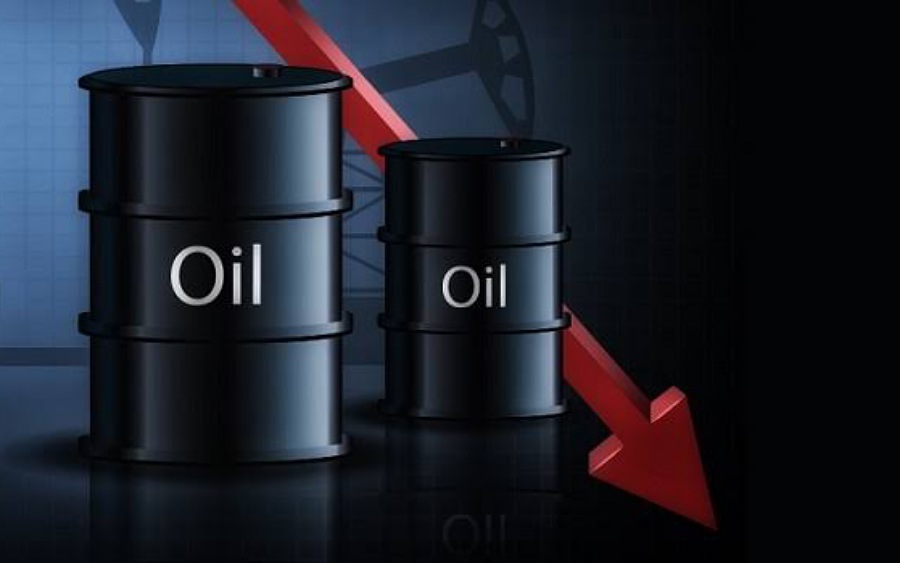
Oil prices slipped to their lowest level in two weeks on Thursday, pressured by an unexpected rise in US crude inventories and mounting speculation that OPEC and its allies will agree to raise production targets when they meet this weekend.
Brent crude, the international benchmark, settled 65 cents, or 1 per cent, lower at $66.95 a barrel, its weakest close since August 20. US marker West Texas Intermediate fell 49 cents, or 0.8 per cent, to $63.48. The declines added to a choppy fortnight for oil markets, as traders weigh the interplay between demand signals, macroeconomic uncertainty and supply decisions from producers.
The US Energy Information Administration reported that domestic crude stockpiles rose by 2.4 million barrels in the week to August 29, a sharp contrast to expectations of a 2 million-barrel draw in a Reuters poll of analysts. The data, released a day later than usual due to the Labor Day holiday, indicated that refiners were already scaling back activity ahead of autumn maintenance.
“This is a little bit of a bearish report with that crude build,” said John Kilduff, partner at Again Capital. The figures also exceeded estimates from the American Petroleum Institute, which a day earlier cited a 0.6 million-barrel increase.
The unexpected rise in US inventories comes ahead of a closely watched meeting on Sunday of OPEC and its allies, including Russia. Eight members of the OPEC+ alliance are expected to consider additional production increases for October, according to two people familiar with discussions.
Since April, the group has agreed to lift output targets by 2.2mn barrels a day, alongside a 300,000 bpd increase for the United Arab Emirates. A further hike would underline a strategic pivot towards defending market share after years of prioritising price stability.
“A potential OPEC+ production hike would send a strong signal that regaining market share takes priority over price support,” said Tamas Varga, senior analyst at PVM Oil Associates.
Oil markets have been buoyed this year by tightening supply, geopolitical tensions and expectations of monetary easing, but prices remain volatile. Brent has traded in a wide range between $64 and $72 since July, reflecting uncertainty about both economic resilience in major consuming nations and the cohesion of OPEC+.
The latest US economic data added another layer of complexity. New jobless claims rose more than expected last week, reinforcing bets that the Federal Reserve will cut interest rates at its September meeting. The federal funds target range currently stands at 4.25–4.5 per cent, and investors are pricing in a quarter-point reduction.
Lower rates typically boost economic activity and, by extension, demand for oil. But persistent uncertainty over the Fed’s path has kept energy traders cautious. At a Senate Banking Committee hearing on Thursday, lawmakers pressed Stephen Miran, an economic adviser to President Donald Trump nominated to the Fed’s governing board, to commit to political neutrality.
In Europe, meanwhile, leading German economic institutes trimmed growth forecasts for 2025 and 2026. They cited weaker external demand, US tariffs and delays in the impact of higher domestic public spending, underscoring the fragile outlook for the continent’s largest economy.
Geopolitical factors continue to play a central role in energy markets. President Trump on Thursday urged European leaders to halt purchases of Russian crude, arguing the trade was financing Moscow’s war in Ukraine. Russia remains the world’s second-largest crude producer, behind the US, and its exports are a key swing factor in global balances.
Yet Moscow appears to be diversifying outlets. Rosneft, Russia’s largest oil producer, secured a fresh deal to supply 2.5 million metric tonnes of crude annually to China via Kazakhstan, according to Russian energy minister Sergei Tsivilev. The move highlights Russia’s pivot towards Asia in response to western sanctions.
Elsewhere in OPEC, Venezuela’s exports climbed to a nine-month high of 900,000 bpd in August. The increase followed a US decision to grant Chevron a licence to ship Venezuelan crude to American refineries, partially reopening a trade channel blocked by sanctions for years.
The combined effect of shifting Russian flows and higher Venezuelan output complicates the supply outlook facing OPEC+, even as the cartel seeks to maintain cohesion among members with differing fiscal needs.
Despite Thursday’s decline, oil remains one of the better-performing commodities in 2024, supported by steady demand in Asia and supply discipline from producers. But fund managers have scaled back bullish bets in recent weeks. Positioning data shows a modest reduction in net long positions in both Brent and WTI, reflecting unease over potential demand weakness and the uncertain trajectory of OPEC+ policy.
Some analysts believe the downside may be limited by geopolitical risks and supply bottlenecks. Any escalation in Ukraine, Middle Eastern tensions, or disruptions to shipping lanes could tighten balances abruptly. Conversely, signs of weakening US and European demand, or a larger-than-expected OPEC+ supply boost, could drive further softness.