Onome Amuge
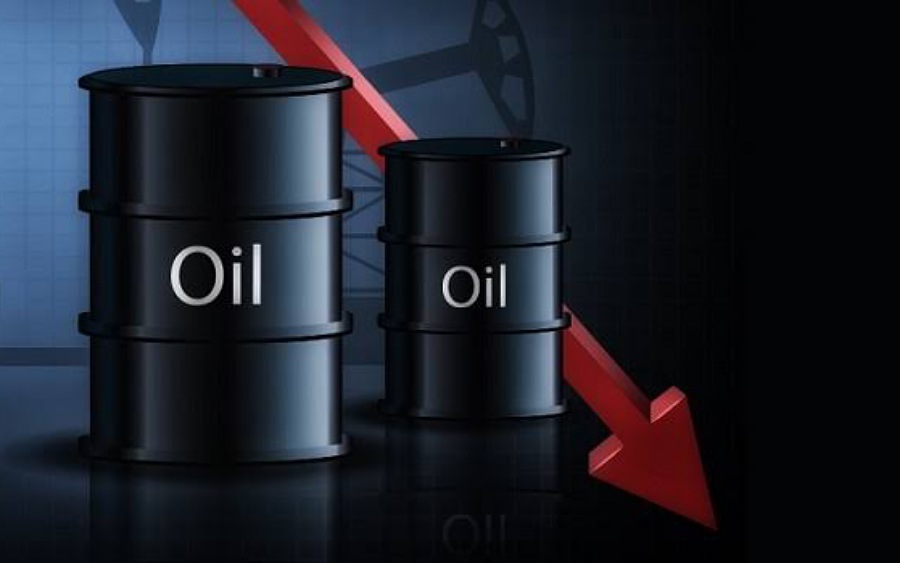
Oil prices slid sharply on Monday as expectations of fresh OPEC+ supply increases and the resumption of crude exports from Iraq’s Kurdistan region eased concerns about shortages, reversing last week’s rally that was fuelled by geopolitical risks.
Brent crude futures dropped 3.5 per cent, or $2.42, to $67.71 a barrel, while US marker West Texas Intermediate fell 3.7 per cent to $63.32. The declines followed the strongest weekly performance since July, with both benchmarks gaining more than 4 per cent amid disruptions to Russian exports caused by Ukrainian drone strikes.
Traders said Monday’s pullback reflected shifting sentiment as the Organization of the Petroleum Exporting Countries and its allies, known as OPEC+, prepared to sign off on another increase in output when ministers meet on Sunday. Three people familiar with the group’s deliberations said the alliance was expected to confirm an additional supply of at least 137,000 barrels per day for November, part of a broader effort to claw back market share after months of high prices.
The group has consistently fallen short of its stated targets, pumping nearly half a million barrels a day below quota in recent months. Even so, analysts noted that the signal of greater supply was enough to put pressure on prices.
“With OPEC+ pivoting toward market share, fundamentals look softer and oversupply concerns prevail,” said Claudio Galimberti, chief economist at consultancy Rystad Energy.
The return of Kurdish oil to global markets added to the bearish tone. Flows through the pipeline linking northern Iraq to Turkey’s Ceyhan port resumed at the weekend for the first time in more than two years, the Iraqi oil ministry confirmed. Exports were running at about 150,000–160,000 bpd on Monday and are expected eventually to reach 230,000 bpd, according to two industry sources.
The restart comes after prolonged political and contractual disputes had choked off exports, depriving global markets of a key medium sour crude stream. Traders said the resumption could help ease tightness in Mediterranean refiners’ feedstock supply.
Monday’s sell-off came despite intensifying geopolitical risks. Ukraine last week struck multiple Russian energy facilities in a campaign designed to disrupt oil product exports, pushing Moscow to retaliate with one of its most sustained aerial assaults on Kyiv since the invasion in 2022.
“Ukraine naturally smells blood here … if anything Ukraine will likely double up on its strategic attacks on Russian refineries,” analysts at SEB said in a note.
Washington, meanwhile, sought to shore up Middle East diplomacy. US president Donald Trump hosted Benjamin Netanyahu, Israeli prime minister for talks aimed at securing agreement on a Gaza peace plan, as Israel faced mounting diplomatic isolation nearly two years into its war against Hamas.
Despite those tensions, the market’s focus remained on supply-side signals. Analysts said the dual impact of OPEC+’s expected quota increase and the Kurdish restart was likely to cap near-term rallies, even as geopolitical risk premiums linger.
“Fundamentally, we are seeing more barrels coming back into play, whether from OPEC+ or Iraq. Unless Russia’s exports are hit in a really material way, the balance looks softer than it did a week ago,”said one European crude trader.
Still, some warned that structural underproduction within OPEC+ and continued uncertainty around Russia’s flows meant supply risks had not disappeared. The alliance has missed collective targets by wide margins, raising questions about its ability to execute further increases.