Ben Eguzozie, Port Harcourt
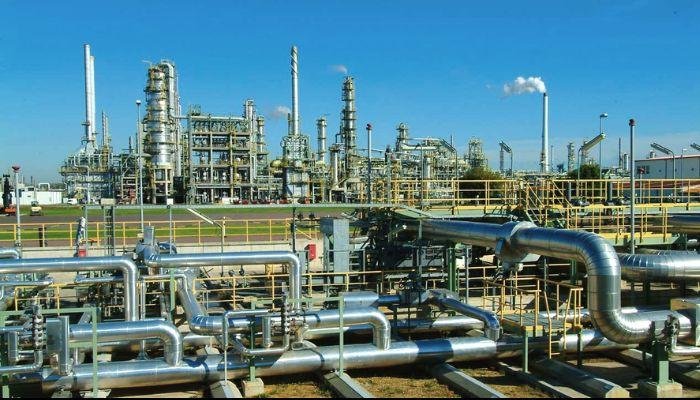
Two key groups in the oil region and stakeholders’ in the nation’s petroleum downstream sector — the Independent Petroleum Marketers Association of Nigeria (IPMAN), and Ijaw Youths Council (IYC), Eastern zone, say they are in support of the planned sale of Nigeria’s four comatose oil refineries, with a combined nameplate production capacity of 445,000 bpd.
Since 2000, Nigeria has been largely importing 100 per cent all its petroleum products, despite being Africa’s top oil producer.
IPMAN and IYC are also calling on the Nigerian National Petroleum Company Limited (NNPCL) to ensure that the Port Harcourt Refinery Company (PHRC), the nation’s biggest refiner with 220,000 bpd, runs at optimal capacity.
This appears a tall order for a refinery that had its last turnaround maintenance (TAM) in 2000. Typically, three years between turnarounds without mini shutdown is achievable. Many refiners achieve four years with mini-turnaround. Hence, the refinery ought to have undergone eight TAMs, with the 9th due in 2027.
Bayo Ojulari, group chief executive officer of the NNPCL recently spoke of proposed plan by the owner Federal Government to put up the four refineries for sale, saying it was getting pretty costly rehabilitating the refiners. This is coming after the Buhari administration spent $1.5 billion to repair the PHRC.
According to Tekena ThankGod Ikpaki, chairman of IPMAN, Port Harcourt Depot Unit, in a statement to the media, the Port Harcourt Refinery is strategic to the supply of petroleum products across the Niger Delta region.
“As key stakeholders in the downstream oil sector and major players in the supply and distribution chain, we understand the strategic importance of the Port Harcourt Refinery not only to Rivers State and the Niger Delta region but also to the entire Nigerian economy. The brief resumption of operations at the refinery in November 2024, followed by another shutdown in May 2025 for maintenance, has once again brought to light the operational and technical difficulties that continue to plague this national asset,” Ikpaki said.
He said, this pattern reinforces IPMAN’s “long-standing position that the refinery required more than intermittent rehabilitation; it demands consistent and experienced management, with a singular focus on functionality and sustainability. Whether the facility remains under the direct control of the NNPCL or is eventually handed over to a private entity, the most critical issue for us at this point, is ensuring the Port Harcourt Refinery operates at optimal capacity.
“We believe that a fully functional refinery will have far-reaching benefits, offering alternative sources of refined products, stabilizing the domestic market, creating jobs, boosting local content, and contributing to national energy security. Our only concern and sincere appeal to the Federal Government and the NNPCL is that competence, technical expertise, and a proven track record in refinery operations must be the top criteria in selecting any prospective buyer or management partner, should the company proceed with the sale or concessioning process,” the IPMAN Port Harcourt unit said.
For Datolu Sukubo, chairman of IYC Eastern zone, speaking on the sidelines of Pipeline Infrastructure Nigeria Limited, (PINL’s) stakeholders meeting in Port Harcourt, decried the inability of NNPCL to run the Port Harcourt refinery efficiently, despite the billions of Naira ditched into rehabilitating it.
“NNPCL should ensure a stakeholders’ engagement before a proposed sale of the Port Harcourt refinery, prioritize local content as well as conduct an Environmental Impact Assessment (EIA) and other such studies,” Sukubo said.
Sukubo said despite producing the oil on which Nigeria survives, Niger Deltans bear the brunt of the high cost of fuel, citing the differential in the prices of petroleum products in Rivers State, Lagos and other parts of the country.
He called for the refinery to be sold to “capable indigenous Niger Delta companies,” as well as the prioritization of local content in the employment process.
The IYC leader said the region had witnessed oil production for more than half-a-century, but has not seen the government or the international oil companies (IOCs) embarked on any proper engagement with the host communities, amid increasing suffering and degradation of their environment.
“The lack of proper engagement of host communities had led to adverse impact on the national economy. Whether we like it or not, these oil facilities are installed in our territory, they might use Land-use Decree to deprive us of a lot of things, but without our presence, those things cannot be safe. Our communities have suffered environmental degradation for many decades.
“Our recommendations are simple: If the NMPC, NUPRC, do not know how to engage, they should divest for capable companies to handle. They should remain regulators,” Sukubo said; advising particularly the engagement with the youths.