
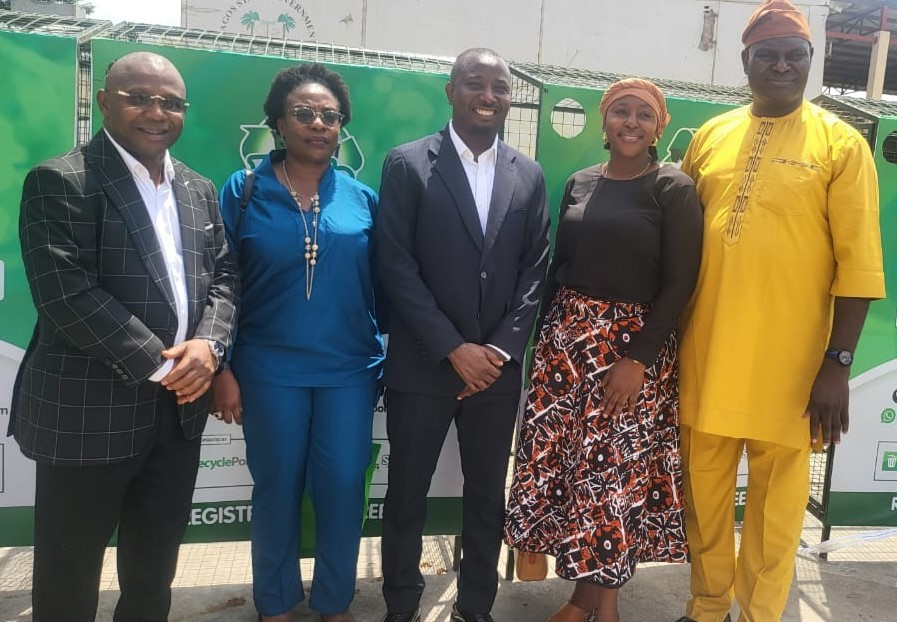
Rite Foods Limited has unveiled its Waste-Is-Naira (W.I.N) initiative, a community-driven recycling programme aimed at converting plastic waste into economic value while strengthening compliance with Extended Producer Responsibility (EPR) regulations.
The initiative, launched in Lagos, showcases how corporate Nigeria is responding to mounting environmental concerns and regulatory expectations. Developed in partnership with RecyclePoints, the programme introduces a structured framework for the collection, recovery, and recycling of post-consumer packaging, positioning waste as both an environmental challenge and an economic opportunity.
At its core, the W.I.N initiative is designed to operationalise EPR principles by ensuring that producers take responsibility for the entire lifecycle of their packaging materials. For Rite Foods, this marks a transition from periodic clean-up campaigns to a more institutionalised, systems-driven approach to waste management.
Under the scheme, households and individuals are incentivised to collect used plastic bottles and aluminium cans, which can be exchanged for cash at designated collection hubs. Participants are provided with specially designed collection sacks to facilitate proper waste segregation at source. Once filled, the materials are weighed, digitally logged, and processed for payment, ensuring transparency and traceability throughout the system.
The initiative is projected to recover more than 750 tonnes of plastic waste annually, a figure that underscores both the scale of the environmental challenge and the potential impact of structured recycling interventions. By redirecting waste from landfills and waterways into productive use, the programme aims to enhance material circularity while reducing pollution across urban communities.
Speaking at the launch, Ekuma Eze, head of corporate affairs and sustainability at Rite Foods, described the initiative as a natural progression in the company’s sustainability journey. According to him, the programme is not merely a clean-up effort but a deliberate attempt to embed environmental responsibility into the company’s operational DNA.
“This initiative goes beyond surface-level interventions. It reflects our responsibility as a producer to close the loop on our packaging materials. With ‘Waste-Is-Naira’, we are building a system where post-consumer waste is not discarded but recovered, reintegrated, and transformed into socio-economic value,” he said.
The W.I.N initiative builds on earlier environmental campaigns by the company, including its coastal clean-up efforts, but expands the scope significantly by introducing a scalable, incentive-based framework that drives behavioural change at the grassroots level.
From an operational standpoint, the partnership with RecyclePoints introduces a technology-enabled layer to the process. Programme manager Daniel Oderinde explained that the use of digital tracking systems ensures that all transactions are recorded and verifiable, thereby promoting financial inclusion and building trust among participants.
Beyond its environmental objectives, the initiative is also positioned as a socio-economic intervention. By formalising the role of informal waste collectors and integrating them into a structured value chain, the programme is expected to create new income streams and employment opportunities across the recycling ecosystem. Waste pickers, aggregators, and logistics operators stand to benefit from increased demand for recyclable materials, effectively transforming what was once considered waste into a viable economic resource.
The programme has also received strong backing from regulatory and industry stakeholders, including the Lagos Waste Management Authority, Lagos State Environmental Protection Agency, and the Food and Beverage Recycling Alliance. Their involvement highlights the growing importance of public-private collaboration in achieving environmental sustainability targets.
Regulators have praised the initiative for aligning with state and national environmental frameworks. Officials emphasised that structured programmes like W.I.N not only support compliance but also enhance the effectiveness of waste management systems by introducing accountability and scalability.
Arese Onigise, executive secretary of FBRA, described the programme as a significant step forward for the industry. She noted that initiatives of this nature demonstrate how producers can move beyond regulatory compliance to actively implement solutions that deliver both environmental and economic benefits.
“By creating collection systems that incentivise consumers and integrate informal waste actors, Rite Foods is helping to build a circular economy for packaging in Nigeria. This is the kind of scalable model needed to drive long-term sustainability,” she said.
Environmental advocates also point to the broader implications of the initiative, particularly in reshaping public perceptions of waste. Akin Disu, founder of Popbeachclub and a partner in earlier sustainability campaigns with Rite Foods, described the programme as a paradigm shift in waste management thinking.
“What we call waste is simply value in the wrong place. When systems are designed to connect people to that value, the result is not just a cleaner environment, but stronger livelihoods,” he said.
Looking ahead, the scalability of the initiative will be a key determinant of its long-term impact. Sustained collaboration among corporate entities, regulators, and communities will be essential to expanding the programme beyond its initial rollout and ensuring that its benefits are widely distributed.









A coalition built for the world as it really works