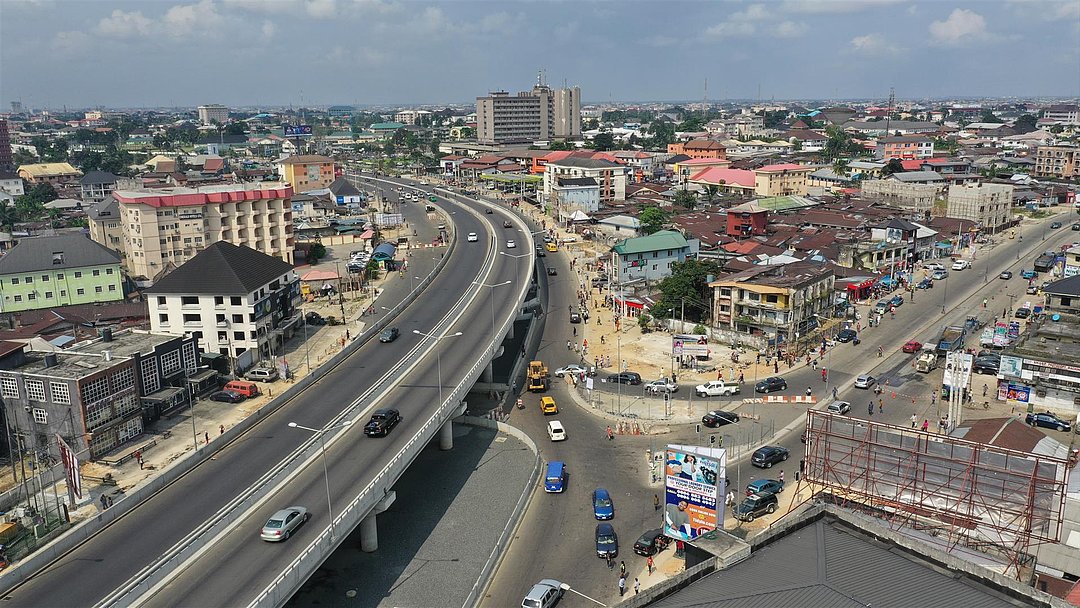
The last six months could well be described as “the locust months” in Rivers State, Nigeria’s oil hub, with the second largest subnational GDP in excess of $57 billion, after Lagos.
The six months emergency rule foisted on the state and its people by President Bola Tinubu, guided by his minister of FCT, Nyesom Wike, ended yesterday September 18, as Ibok-Ete Ibas the sole administrator (Solad) vacated the Brick House for Governor Siminalayi Fubara, who was suspended on March 18.
Public angst kept growing against Ibas, especially as his exit date drew near. Public opinion railed against his inability to complete any of the projects initiated and left behind by Governor Fubara, including the multi-billion-naira state House of Assembly complex, which he (Ibas) had promised to handle before his exit date. Two visits in March and July to the complex, he assured completion.
“This project is of strategic importance, and we must treat it as such. The people of Rivers State expect results. Any further delays will be unacceptable. All hands must be on deck to meet the agreed timelines. From the consultants’ reports and what I have seen here today, the performance is far from satisfactory. The contractor needs to do a lot more. The current pace (of work) is unacceptable,” Ibas had said during his visits to the complex.
Away from the fleeting barking, the retired Navy air vice marshal, who hails from Ekori in Yakurr Local Government Area of Cross River State, could not bite the contractor. He failed to deliver on rebuilding the Assembly complex, which was atrociously torched in the build-up to the sore-thumb relationship between Governor Fubara and the Wike-Assembly protégés.
Ibas also failed to give his promised “facelift” to the 25,000-seater Yakubu Gowon Stadium at Elekahia, and the Alfred Diete-Spiff sports complex, all in Port Harcourt metropolis. Neither was the Solad able to embark on and complete any quick impact project.
Development experts have railed the Rivers’ emergency rule, describing it as extremely undemocratic, unnecessary, and economically wasteful. One of the experts, Efegadirim Maduabuchi said thus: “What played out in the six months emergency rule was ‘development detour’. All the indices to drive growth were absent —no budget, no legislature to enact laws, commissioners were temporary lackeys. The Solad had no
inkling about governance: he lacked insight, he didn’t know what to do at each time, he
often waited on his masters in Abuja, to act. Worse still, his misadventure in dissolving the state cabinet which was appointed by a democratically-elected governor set the state’s development wheel backwards. Rivers state has lost 6 months of development.”
Some public policy analysts and rights groups are calling for probing of the Solad’s
emergency rule period, especially his handling of the state’s finances. He had an
improperly packaged N1.5 trillion make-up budget approved for him by the National
Assembly brought up by President Tinubu. Additionally, reports said the state would
receive some N400 billion in six months, plus an internally generated revenue (IGR)
target of N264.36 billion in 2025.
Eze Chukwuemeka Eze, an ally of the former governor and ex-transportation minister,
Rotimi Amaechi, while assessing Ibas’ six months in the state, said the period was marked by ‘no development’. He called on the anti-graft agency, EFCC to thoroughly investigate the outgone administrator. According to Eze, the Solad took the state backwards by 20 years, amid reports of financial profligacy.
“Ibas never achieved anything for the progress and well-being of Rivers State and its people. Throughout his six months miserable stay, except accomplishing the purpose of those that installed him illegally to usurp the political structure of the state and corning the common patrimony of the state, his stay was not only a disaster but calamitous. If we still have EFCC in the country, the EFCC should investigate him and force him to account for all the monies they have wrongly misused.”
Imeabe Saviour Oscar, president of South-South Youths Initiative, said the Ibas period in the state should be investigated. “Ibas should face serious probe due to how he spent the Rivers State resources. He should show detailed accounts of all funds handled or accessed during his tenure. He should be made to address allegations of overstepping and governance gaps,” the group said.