SEC leads shift to T+2 settlement in bid for more efficient capital market

Agama seeks industry-wide readiness from T+3 cycle

Onome Amuge

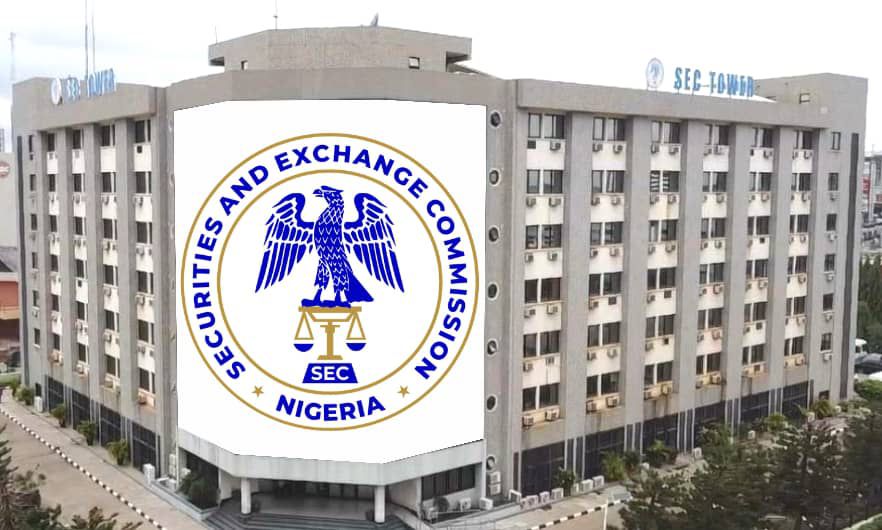
Nigeria’s capital market is on the verge of a major structural reform that could reshape trading efficiency, boost liquidity, and position the market closer to international standards. This is as the Securities and Exchange Commission (SEC)  announced plans to transition the Nigerian Exchange (NGX) to a T+2 settlement cycle.

Speaking at a Trade Associations Roundtable on “Ensuring Stakeholder Readiness for T+2 Settlement” held in Abuja on Wednesday, Emomotimi Agama, SEC’s director-general, said the migration from the current T+3 cycle where trade settlement takes place three business days after a transaction  to T+2 will reduce market risk, speed up capital rotation, and reinforce investor confidence.

“A shorter settlement cycle is a hallmark of a mature, dynamic, and competitive market. It directly addresses several key objectives: reducing counterparty risk, lowering market exposure, boosting liquidity, and aligning our market with global best practices,” Agama said. 

The transition means that transactions executed on the Nigerian Exchange and other securities platforms will now be fully settled within two business days, a development expected to tighten Nigeria’s integration with global financial markets and improve the country’s profile among international portfolio investors.

Across major financial hubs, markets are shortening settlement cycles to respond to technological advancement and investor demand for efficiency. The United States, for instance, adopted T+2 in 2017 and is now moving toward T+1, while markets in Europe, India, and parts of Asia are on similar trajectories.

Agama noted that Nigeria’s adoption of T+2 was a strategic imperative to remain globally relevant and avoid lagging behind peers.

“The global financial landscape is constantly changing, driven by technology and investor demand for speed and transparency.The transition to T+2 is not just a technical adjustment but a necessary evolution to keep our market competitive and future-ready,” he said. 

Analysts say the reform could have multiple benefits for Africa’s most populous nation. By cutting the settlement period by one day, market participants can redeploy capital more quickly, thereby deepening liquidity and encouraging more active participation by both local and foreign investors. It also reduces the time that parties are exposed to credit and operational risks, making defaults less likely.

However, the SEC boss acknowledged that the move to T+2 is not without challenges. He emphasised that successful implementation will depend heavily on the preparedness of brokers, custodians, clearing houses, and investors to adjust their systems and workflows.

“Your readiness and that of your members is the single most important determinant of our success. This means recalibrating back-office operations, upgrading technology systems, streamlining settlement processes, and ensuring that all market participants are informed and prepared,” Agama told market associations. 

He added that the SEC would work closely with the Nigerian Exchange Limited (NGX), the Central Securities Clearing System (CSCS), and other market operators to ensure a seamless and coordinated rollout.

The regulator also plans to intensify investor education campaigns, ensuring that both institutional and retail investors understand how the shorter settlement cycle affects trade processing and capital flow.

Agama urged trade associations and industry groups to play a frontline role in mobilising and educating their members. He said the collaboration between regulators and market operators would be critical to identifying operational bottlenecks, sharing best practices, and developing a clear, time-bound roadmap for the transition.

“We must approach this as a collective reform — one that reflects the shared ambition to build a capital market that is efficient, resilient, and globally competitive,” he said.

Trade associations representing brokers, fund managers, and custodians have already begun consultations with the SEC and NGX to review operational workflows and technology requirements ahead of the planned shift.

Agama said the SEC will soon publish an implementation framework and timeline following consultations with stakeholders. He reaffirmed the Commission’s commitment to providing all necessary regulatory support and guidance to ensure a smooth transition.

“The move to T+2 is a necessary leap forward. It is a testament to our shared ambition to make Nigeria’s capital market not just efficient and safe, but also a benchmark for Africa,” he said. 

Leave a Comment

SEC leads shift to T+2 settlement in bid for more efficient capital market

Onome Amuge

Nigeria’s capital market is on the verge of a major structural reform that could reshape trading efficiency, boost liquidity, and position the market closer to international standards. This is as the Securities and Exchange Commission (SEC)  announced plans to transition the Nigerian Exchange (NGX) to a T+2 settlement cycle.

Speaking at a Trade Associations Roundtable on “Ensuring Stakeholder Readiness for T+2 Settlement” held in Abuja on Wednesday, Emomotimi Agama, SEC’s director-general, said the migration from the current T+3 cycle where trade settlement takes place three business days after a transaction  to T+2 will reduce market risk, speed up capital rotation, and reinforce investor confidence.

“A shorter settlement cycle is a hallmark of a mature, dynamic, and competitive market. It directly addresses several key objectives: reducing counterparty risk, lowering market exposure, boosting liquidity, and aligning our market with global best practices,” Agama said. 

The transition means that transactions executed on the Nigerian Exchange and other securities platforms will now be fully settled within two business days, a development expected to tighten Nigeria’s integration with global financial markets and improve the country’s profile among international portfolio investors.

Across major financial hubs, markets are shortening settlement cycles to respond to technological advancement and investor demand for efficiency. The United States, for instance, adopted T+2 in 2017 and is now moving toward T+1, while markets in Europe, India, and parts of Asia are on similar trajectories.

Agama noted that Nigeria’s adoption of T+2 was a strategic imperative to remain globally relevant and avoid lagging behind peers.

“The global financial landscape is constantly changing, driven by technology and investor demand for speed and transparency.The transition to T+2 is not just a technical adjustment but a necessary evolution to keep our market competitive and future-ready,” he said. 

Analysts say the reform could have multiple benefits for Africa’s most populous nation. By cutting the settlement period by one day, market participants can redeploy capital more quickly, thereby deepening liquidity and encouraging more active participation by both local and foreign investors. It also reduces the time that parties are exposed to credit and operational risks, making defaults less likely.

However, the SEC boss acknowledged that the move to T+2 is not without challenges. He emphasised that successful implementation will depend heavily on the preparedness of brokers, custodians, clearing houses, and investors to adjust their systems and workflows.

“Your readiness and that of your members is the single most important determinant of our success. This means recalibrating back-office operations, upgrading technology systems, streamlining settlement processes, and ensuring that all market participants are informed and prepared,” Agama told market associations. 

He added that the SEC would work closely with the Nigerian Exchange Limited (NGX), the Central Securities Clearing System (CSCS), and other market operators to ensure a seamless and coordinated rollout.

The regulator also plans to intensify investor education campaigns, ensuring that both institutional and retail investors understand how the shorter settlement cycle affects trade processing and capital flow.

Agama urged trade associations and industry groups to play a frontline role in mobilising and educating their members. He said the collaboration between regulators and market operators would be critical to identifying operational bottlenecks, sharing best practices, and developing a clear, time-bound roadmap for the transition.

“We must approach this as a collective reform — one that reflects the shared ambition to build a capital market that is efficient, resilient, and globally competitive,” he said.

Trade associations representing brokers, fund managers, and custodians have already begun consultations with the SEC and NGX to review operational workflows and technology requirements ahead of the planned shift.

Agama said the SEC will soon publish an implementation framework and timeline following consultations with stakeholders. He reaffirmed the Commission’s commitment to providing all necessary regulatory support and guidance to ensure a smooth transition.

“The move to T+2 is a necessary leap forward. It is a testament to our shared ambition to make Nigeria’s capital market not just efficient and safe, but also a benchmark for Africa,” he said. 

Leave a Comment