Onome Amuge
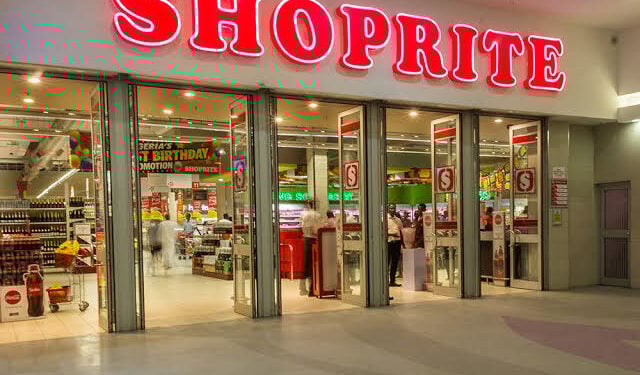
When Shoprite launched in Nigeria in 2005, its brightly lit aisles, wide selection of goods and South African-style customer experience promised to transform shopping habits for the country’s rising middle class. For years, it was a symbol of modern retail in Africa’s largest economy.
Two decades later, that promise is fading. Stores that once attracted crowds are now running on life support. Shoprite branches in Ibadan and Ilorin have shut down entirely, while flagship outlets in Lagos and Abuja have been reduced to hollow shells, with empty shelves and subdued foot traffic.
“We have been ordering but there is no supply, and we don’t know what is happening,” said one employee at Shoprite’s Jabi Lake Mall store in Abuja, speaking on condition of anonymity. Another Shoprite manager insisted the chain was not leaving Nigeria but admitted that deliveries had been delayed while management renegotiated prices with suppliers.
At its peak, Shoprite operated more than 25 stores across eight states, employing over 2,000 people and sourcing from thousands of suppliers ranging from smallholder farmers to multinationals. It was a reliable anchor tenant for Nigeria’s mall culture, helping to establish hubs such as Ikeja City Mall in Lagos and Novare in Abuja.
But cracks began to appear as Nigeria’s economy came under strain. Inflation rose into double digits, while persistent foreign exchange shortages made imports costly and unpredictable. The supermarket’s dependence on imported goods, alongside rising rents, unreliable electricity supply and high operating costs, eroded profitability.
In 2020, the South African parent company pulled back, selling its Nigerian operations to a consortium of local investors under Retail Supermarkets Nigeria Limited (RSNL). The deal was meant to insulate the brand from direct exposure to Nigeria’s turbulence. Yet by early 2024, Shoprite’s Kano outlet had been shuttered due to unsustainable costs. By mid-2025, once-flagship stores in Lagos and Abuja had lost their lustre.
The retrenchment has consequences beyond Shoprite’s walls. Local farmers and suppliers, many of whom relied on bulk procurement contracts with the retailer, face declining orders. Thousands of direct and indirect jobs are at risk as store closures ripple through the value chain.
For consumers, the erosion of a big-box retailer at a time when food inflation is at record highs limits access to affordable groceries and narrows choice. “Many companies have left and many are still going to leave because the environment is not conducive. Nigeria’s economy is uncompetitive compared to other economies that are more business-friendly,” said economist Marcel Okeke.
Competitors such as Hubmart and Market Square have moved quickly to capture market share, while e-commerce players like Jumia are courting urban consumers with online grocery delivery. But these groups face the same structural challenges of logistics bottlenecks, power costs and weakened consumer purchasing power.
Meanwhile, shoprite’s managers insist they are not preparing to exit Nigeria. In a recent statement, RSNL described the disruption as not a collapse but a reset, aimed at stabilising finances and adapting to economic realities.
The company outlined a turnaround plan backed by new investors. Instead of large-format hypermarkets dependent on imports, the strategy will focus on smaller, more efficient stores with stronger domestic sourcing. RSNL said more than 80 per cent of products would now come from local suppliers, complemented by new private-label ranges designed to make goods more affordable.
The group also pledged tighter liquidity management and cost-cutting measures, including energy optimisation across outlets. “Yes, it has been a tough period, but this is not a collapse; it is a reset. With new investors behind us, we are rebuilding Shoprite to be more local, culturally relevant, more affordable, and more resilient,” said Bunmi Cynthia Adeleye, RSNL’s chief strategy officer.
Executives have promised that shelves will be restocked before the end of September and stressed their long-term commitment to serving Nigeria’s millions of customers.