Onome Amuge
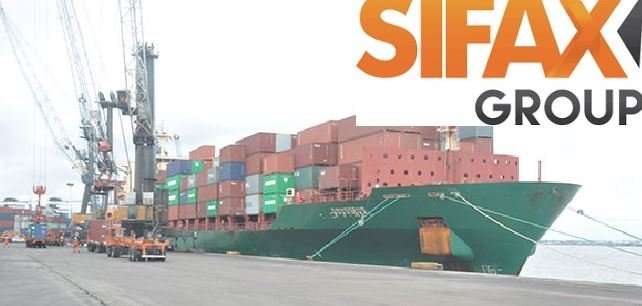
Ports and Cargo Handling Services Limited, part of Nigeria’s SIFAX Group logistics portfolio, is attempting to consolidate a commercial recovery after a turbulent 2024 by repositioning its Lagos terminal around general cargo and break-bulk operations.
The development followed a difficult period in which the company lost several prominent clients, triggering declines in cargo throughput and earnings. Rather than compete aggressively for containerised traffic, where volatility in shipping line schedules and pricing has intensified, the operator opted to refocus on cargo categories where demand is steadier and operational control is stronger. The restructuring appears to have stabilised volumes through 2025 and restored a clearer growth trajectory.
John Jenkins, managing director of the terminal business, attributes the rebound not simply to market recovery but to internal restructuring. Central to this was an overhaul of stevedoring arrangements, including a change in service provider that reduced operating expenses while lifting handling productivity. The company simultaneously invested in essential handling equipment, notably forklifts and spare components, and adjusted workforce deployment to close operational skill gaps.
This operational tightening reflects a trend among West African port operators seeking efficiency gains as macroeconomic conditions remain uneven. Nigeria’s import patterns, influenced by currency pressures and shifting trade flows from Asia, have heightened the importance of flexible cargo handling rather than reliance on container traffic alone.
Management expects general cargo, particularly steel consignments, vehicles and palletised goods, to dominate future revenue streams. Increased Asian import flows into Nigeria are also projected to support throughput, although much depends on exchange-rate stability and domestic industrial demand.
To sustain capacity and margin discipline, the company has outlined a 2026 capital expenditure programme focused on crane upgrades, additional forklifts and terminal trucks. These investments aim to alleviate persistent space constraints at the terminal while reducing reliance on hired equipment, which has historically compressed margins during peak demand cycles.
Nonetheless, structural challenges remain. Terminal space limitations, fluctuating shipping service patterns and uncertainties in Nigeria’s trade environment continue to shape operating risk. Even so, company executives argue that lessons from the 2025 restructuring, particularly around cost control, client engagement and execution discipline, have placed the business on firmer footing.
As part of SIFAX Group’s integrated maritime and logistics network, Ports and Cargo Handling Services Limited said it remains positioned within a sector that is increasingly critical to Nigeria’s trade infrastructure, where operational agility and cost management are becoming decisive competitive factors.