—-Dr. David, Soy Excellence Centre, SSA
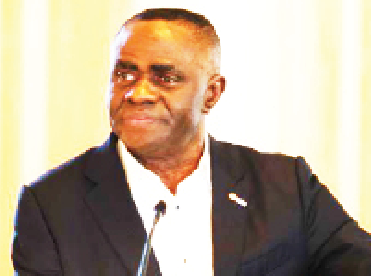
Dr. Michael David, who previously served as Senior Agricultural Specialist with the US Department of Agriculture (USDA) in Nigeria for 21 years, fostered close economic and trade relations between US and Nigeria during his stint at the USDA. He is currently leading the Soy Excellence Centre (SEC) Sub-Saharan Africa (SEC SSA), an arm of the U.S. Soybean Export Council (USSEC). In this interview with OLUKAYODE OYELEYE, Dr. David elaborated on the role of the Centre and its relevance to protein sufficiency, locally and globally
When did this organisation commence operations in Nigeria?
The Soy Excellence Centre (SEC) Sub-Saharan Africa was established in Nigeria five years ago, and since its launch, we have trained more than 4,000 young protein professionals across Nigeria.
What are the aims and objectives of setting up in Nigeria, relevance of the training programme and the certification that follows?
The world is growing, and we are witnessing a population surge, particularly in emerging markets like Nigeria. With these increasing numbers, the challenge to feed more people sustainably arises. There’s also a knowledge gap on how to achieve this. The U.S. Soy farmers believe that soy can play a key role in helping to meet the world’s rising demand for protein. With a global curriculum, the SEC prepares a future-ready workforce with best practices, insights, and skills needed to sustainably improve the protein value chain while also positioning soy as a sustainable, high-quality, and reliable source of protein for both animal and human consumption. With a transformative curriculum, the SEC programme trains professionals across its aquaculture, poultry, feedmilling, and swine learning tracks.
Explain the roles of the U.S. in the programme
The SEC is an initiative of the U.S. Soybean Export Council (USSEC) supported by the U.S. Soy farmers who are committed to nourishing the world. U.S. Soy uplifts communities by providing resources and expertise to tackle the challenge of meeting the rising protein demand, increasing protein consumption in emerging markets, and delivering sustainable socioeconomic benefits. Apart from the SEC, USSEC has also been powering the Right to Protein campaign in Nigeria that advocates for every individual’s right to having access to affordable protein for overall health and well-being.
Why is it restricted to Sub-Saharan Africa, and Northern Africa is not included?
The SEC is a global programme currently operating in six markets, including the Americas, India, the Middle East and North Africa, Southeast Asia, South Asia, and Nigeria. Our SEC MENA programme, which also includes North Africa, just celebrated its fifth anniversary this year. SEC continues to grow at a rapid pace, and we hope to expand into more markets in Africa, including Ghana, Kenya, and others.
The CEO of USSEC is Jim Sutter, while the Regional Director, South Asia and Sub-Saharan Africa, is Kevin Roepke. They are the drivers of the programme.
SEC is clearly nutrition-based: how does it make its impact within the protein value chain?
At USSEC, the conversation is elevating from just food security to include nutrition security. Protein is a key element of that discussion, especially in markets like Nigeria, where there is a young, growing population. Nigeria’s high food inflation demonstrates the urgent need to develop resilient food systems where protein is accessible to all. To address this issue, we need a consistent supply of protein and a workforce that is trained to address this growing demand. That is the role that our SECs are playing. They are bridging the knowledge gap.
Through the SEC programme, we are training early-to-mid-career young professionals working in the protein space to elevate their skills and advance in their careers. The SEC makes a strategic impact by building capacity and advancing technical knowledge in animal nutrition, particularly among feed millers, livestock producers, and agribusiness professionals. By promoting the use of high-quality, soy-based feed ingredients and best practices in feed formulation, SEC Sub-Saharan Africa enhances feed efficiency, improves animal health, and overall productivity in poultry, aquaculture, and livestock sectors. This leads to more cost-effective and nutrient-rich animal-source protein outputs—such as eggs, meat, and fish—thereby improving both food and nutrition security.
SEC Sub-Saharan Africa’s hybrid model allows participants to learn at their own pace while also connecting with a community of professionals around the world. SEC’s curriculum is also a global curriculum, which means that our participants benefit from the opportunity of learning from international experts while sitting in the comfort of their homes. Its platform of continuous learning sets it apart from other programmes. With the SEC, our participants’ journey doesn’t just end after the course is complete. The platform encourages participants to return and keep engaging with the community.
Does the government interface with your programme? Are your operations directly or indirectly (or not at all) involved in or benefiting from (or contributing to) market information services?
USSEC works in close collaboration with the industries in Nigeria. We also have a regional council of experts based in Nigeria called the Regional Advisory Council (RAC). This panel of experts includes Nigeria’s top leaders in agriculture, poultry, and more, and provides guidance on SEC’s curriculum to ensure it is tailored to Nigeria’s specific needs. We are grateful for their wisdom in helping us customise our programme. It is through collaborations like these that we can increase the SEC’s impact across the region.
What are the prospects of an increase in soy production and utilisation in Nigeria and when will that happen? What production capacity does Nigeria have?
While Nigeria does produce soybeans domestically, there’s a demand-supply mismatch. The USDA Foreign Agricultural Service estimated Nigeria’s local production at around 1.15 million metric tons for the marketing year (MY) 2023/24, with the animal feed sector accounting for the majority of its use.
As a result of the supply shortfall, Nigeria imported 62,100 metric tons of soybeans from the U.S. after a pause of six years. These imports provided much-needed support to Nigeria’s poultry industry looking for high-quality feed.
How does your interface with stakeholders translate into an increase in soy production?
Our SEC programme is geared towards the end users. Our trainings help poultry, aquaculture, and swine producers in optimising production, increasing efficiency, and minimising waste – all, while doing it sustainably. SEC empowers the next generation of leaders. Our success is rooted in the results. One of our participants, who completed the poultry courses, implemented SEC’s training on his farm. He experienced better feed efficiency ratios, lower feed costs, and faster growth rate. Additionally, he managed to lower the mortality rate on his farm. While these improvements boosted his bottom line, they also led to an increase in customer satisfaction and reduced complaints. A win-win situation!
Give recommendations to government and official policymakers on soy production support, particularly training and how to encourage its utilisation.
We encourage all stakeholders in Nigeria to partner with us in building an empowered protein workforce through our Soy Excellence Centre. Together, we can shape a prosperous and abundant Nigeria and beyond.