States in Eastern Ports count economic losses as multi-billion regional gateway remain under-utilised 

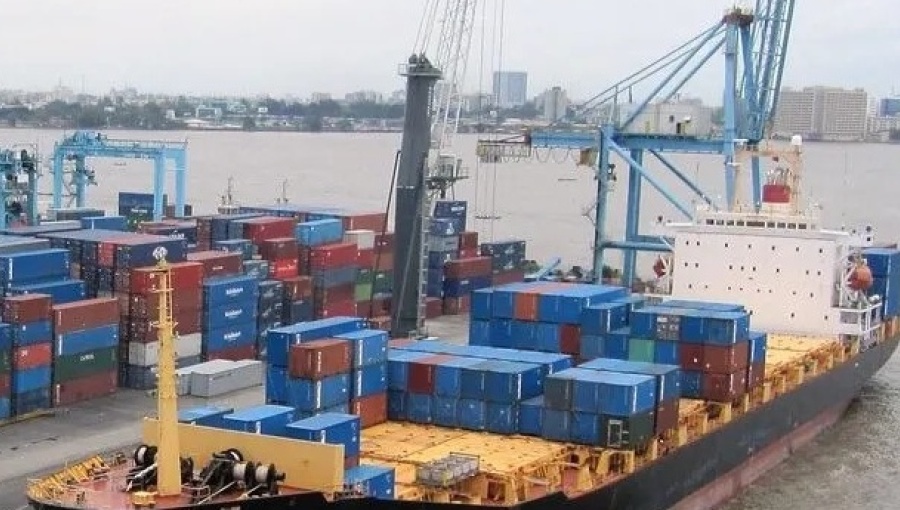
States that are contiguous in Nigeria’s Eastern Ports region: Rivers, Bayelsa, Akwa Ibom, Cross River, Edo, Delta, Abia, Imo, Anambra, and perhaps Enugu and Ebonyi have continued to count economic losses year-on-year for several decades following the under-utilisation of the regional maritime gateway. There are at least six or seven sea ports making up the Eastern Ports: Port Harcourt (over 100 years old), Onne (oil and gas free zone – OGFZ), Federal Lighter and Ocean Terminals – FLT, FOT, Warri, Koko, Calabar, and Onitsha inland River Port. There are also other barges erected within sea channels in the region. On a straight demand-driven maritime business, these ports hold a combined capacity to handle N0.5 billion maritime business. However, for some uncanny federal government policy push, the ports have laid comatose for many decades.

In its optimum operation in 2009 and 2014, the OGFZ alone held over 10,000 direct employee capacity; described then by the London-based Financial Times media as the world’s biggest and fasted growing oil and gas oil hub. But years of closure threats by the federal administration has today, brought the gigantic oil/gas hub to a shadow of its great past.

For Governor Siminalayi Fubara, while receiving the board and management of the Nigerian Ports Authority (NPA) in Port Harcourt, recently, said unless the full capacities of the seaports are harnessed, the state and country will continue to forfeit jobs, investments, and industrial growth.

He said globally, prosperous nations rely on world-class ports and airports to power their economies. “If the Onne Port alone were operating at full capacity, the ripple effects on surrounding areas such as Eleme and Tai would be transformative, spurring employment, manufacturing, clearing and forwarding services, and economic expansion,” Fubara told the NPA management led by board chairman, Adeyeye Adedayo Clement.

Governor Fubara regretted that, Rivers State though has a strategic advantage of hosting two major sea ports, their potentials remain untapped.

“Maximising port operations would reduce logistics costs, build investor confidence, and attract industries reliant on export facilities. The outcome would be widespread growth in job creation, business development, and tax revenue,” he said.

Indeed, the Nigerian Economic Summit Group (NESG) estimates that Nigeria’s maritime sector, if properly harnessed, could generate N7 trillion revenue yearly and create up to 4 million jobs over the next five years. This consideration is especially important under the current Nigerian economic landscape, which continues to deteriorate.

Additionally, the NPA included the Eastern Ports to play a major contribution to its 2025 revenue of N1.28 trillion. But it still keeps Lagos ports to handle 90 percent of the maritime traffics, rendering doubtful, the expected revenue target.

He urged the NPA and other maritime stakeholders to seize the moment to revitalise the seaports, identifying the dilapidated federal access roads as a major challenge, which has worsened flooding and traffic congestion. He called on the federal government to prioritise rehabilitation of the port facilities, assuring that his administration would complement such efforts with improved traffic management, stricter truck regulations, and orderliness around port areas.

Adeyeye pledged the NPA’s commitment to optimising operations at the Port Harcourt and Onne ports, and requested the state government’s partnership in tackling access road rehabilitation, illegal truck parking, sanitation, and security within port precincts.

Leave a Comment

States in Eastern Ports count economic losses as multi-billion regional gateway remain under-utilised 

States that are contiguous in Nigeria’s Eastern Ports region: Rivers, Bayelsa, Akwa Ibom, Cross River, Edo, Delta, Abia, Imo, Anambra, and perhaps Enugu and Ebonyi have continued to count economic losses year-on-year for several decades following the under-utilisation of the regional maritime gateway. There are at least six or seven sea ports making up the Eastern Ports: Port Harcourt (over 100 years old), Onne (oil and gas free zone – OGFZ), Federal Lighter and Ocean Terminals – FLT, FOT, Warri, Koko, Calabar, and Onitsha inland River Port. There are also other barges erected within sea channels in the region. On a straight demand-driven maritime business, these ports hold a combined capacity to handle N0.5 billion maritime business. However, for some uncanny federal government policy push, the ports have laid comatose for many decades.

In its optimum operation in 2009 and 2014, the OGFZ alone held over 10,000 direct employee capacity; described then by the London-based Financial Times media as the world’s biggest and fasted growing oil and gas oil hub. But years of closure threats by the federal administration has today, brought the gigantic oil/gas hub to a shadow of its great past.

For Governor Siminalayi Fubara, while receiving the board and management of the Nigerian Ports Authority (NPA) in Port Harcourt, recently, said unless the full capacities of the seaports are harnessed, the state and country will continue to forfeit jobs, investments, and industrial growth.

He said globally, prosperous nations rely on world-class ports and airports to power their economies. “If the Onne Port alone were operating at full capacity, the ripple effects on surrounding areas such as Eleme and Tai would be transformative, spurring employment, manufacturing, clearing and forwarding services, and economic expansion,” Fubara told the NPA management led by board chairman, Adeyeye Adedayo Clement.

Governor Fubara regretted that, Rivers State though has a strategic advantage of hosting two major sea ports, their potentials remain untapped.

“Maximising port operations would reduce logistics costs, build investor confidence, and attract industries reliant on export facilities. The outcome would be widespread growth in job creation, business development, and tax revenue,” he said.

Indeed, the Nigerian Economic Summit Group (NESG) estimates that Nigeria’s maritime sector, if properly harnessed, could generate N7 trillion revenue yearly and create up to 4 million jobs over the next five years. This consideration is especially important under the current Nigerian economic landscape, which continues to deteriorate.

Additionally, the NPA included the Eastern Ports to play a major contribution to its 2025 revenue of N1.28 trillion. But it still keeps Lagos ports to handle 90 percent of the maritime traffics, rendering doubtful, the expected revenue target.

He urged the NPA and other maritime stakeholders to seize the moment to revitalise the seaports, identifying the dilapidated federal access roads as a major challenge, which has worsened flooding and traffic congestion. He called on the federal government to prioritise rehabilitation of the port facilities, assuring that his administration would complement such efforts with improved traffic management, stricter truck regulations, and orderliness around port areas.

Adeyeye pledged the NPA’s commitment to optimising operations at the Port Harcourt and Onne ports, and requested the state government’s partnership in tackling access road rehabilitation, illegal truck parking, sanitation, and security within port precincts.

[quads id=1]

Get Copy

Leave a Comment