Onome Amuge
President Bola Ahmed Tinubu has imposed a six-month ban on the export of raw shea nuts in a bid to force investment into domestic processing and protect Nigeria’s share of a global industry valued at $6.5 billion.
The temporary prohibition, announced on Tuesday by Vice President Kashim Shettima at a multi-stakeholder meeting in Abuja, marks what has been termed as one of the most interventionist steps taken under the government’s Renewed Hope Agenda. Officials say the policy is aimed at curbing informal cross-border trade, boosting local capacity utilisation, and securing raw materials for factories operating at a fraction of their potential.
“This is not an anti-trade policy but a pro-value addition policy. Nigeria produces nearly 40 per cent of the global shea product, yet we account for only one per cent of the market share. That is unacceptable,” Shettima said.
The directive, which takes immediate effect, is subject to review at the end of the six-month period. Policymakers believe it could unlock $300 million in short-term revenues and lay the foundation for a ten-fold increase by 2027.
Nigeria is home to an estimated 350,000 metric tonnes of annual shea production, spread across 30 states and harvested largely by rural women. Yet despite being the world’s largest grower, it captures less than one per cent of global revenues. A recent rapid assessment by the Presidential Food Systems Coordination Unit found that up to 90,000 metric tonnes of raw kernels are smuggled across borders each year, depriving processors of feedstock and government of export earnings.
By contrast, neighbours Ghana, Burkina Faso and Mali have all imposed restrictions on raw shea exports to protect their local industries, which are increasingly targeting international cosmetics and confectionery supply chains. With Nigeria left as the region’s raw depot, in the words of agriculture minister Abubakar Kyari, unregulated foreign buyers have flocked to its borders.
“Our processors are operating at only 35–50 per cent of installed capacity, despite a national potential of 160,000 tonnes. Without corrective action, Nigeria risked becoming permanently locked in as a raw material supplier,” Kyari said.
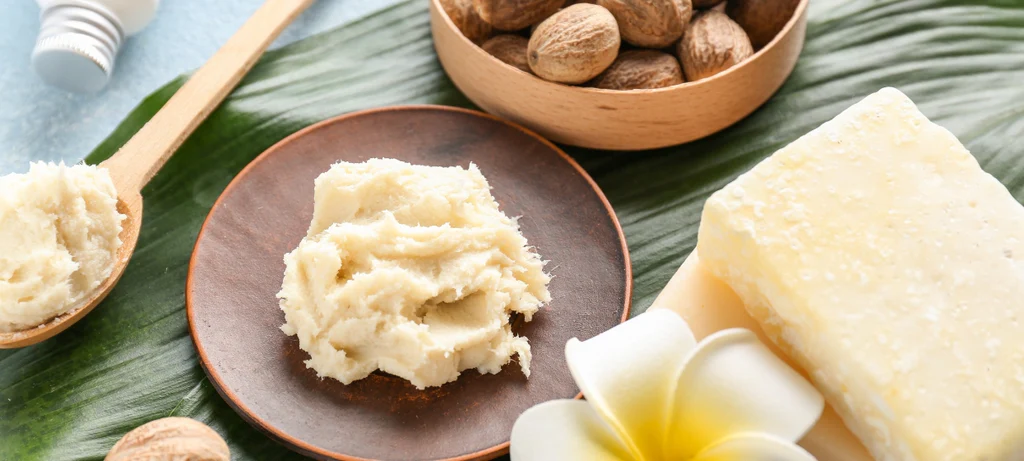
The temporary ban is designed to reverse that dynamic. By forcing raw nuts into domestic channels, officials hope to push processors up to full utilisation, enabling them to supply refined shea butter, olein and stearin, considered high-value derivatives used in cosmetics, pharmaceuticals and food.
The policy carries a strong gender dimension. An estimated 90 per cent of shea pickers and processors in Nigeria are women, many of them in rural communities where few alternatives exist for cash income. Advocates argue that retaining value locally will translate directly into women’s empowerment, job creation and poverty reduction.
“By protecting the shea industry, we are protecting livelihoods, dignity and opportunity for millions of our women. We are not closing doors, we are opening better ones,” Shettima said.
The administration has tied the policy to broader rural development and industrialisation goals, positioning shea as a strategic non-oil export under the government’s Zero Oil Plan.
Demand for shea-based products is rising steadily, driven by global consumer markets seeking natural alternatives in cosmetics and food. Industry analysts project the global shea economy will grow from $6.5 billion today to $9 billion by 2030, with West Africa positioned as the dominant supplier.
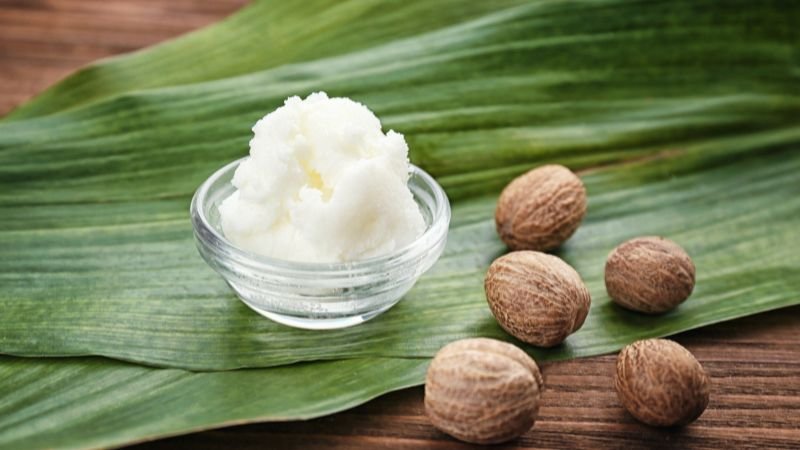
The latest development comes as Tinubu seeks to deepen trade partnerships beyond oil and gas. In São Paulo this week, he agreed with Brazilian officials to prioritise Nigerian shea butter and oil in the Brazilian market, with access expected within three months. Brazil’s cosmetics and food processing industries are among the largest in the world, offering a potentially transformative outlet for Nigerian exports.
Temi Popoola, chief executive of NGX Group, said the move could also strengthen Nigeria’s appeal to capital market investors focused on agri-processing and consumer goods.
“The story here is not just about commodities but about industrial policy. If Nigeria gets this right, it could catalyse investment across the agricultural value chain,” he said.