Onome Amuge
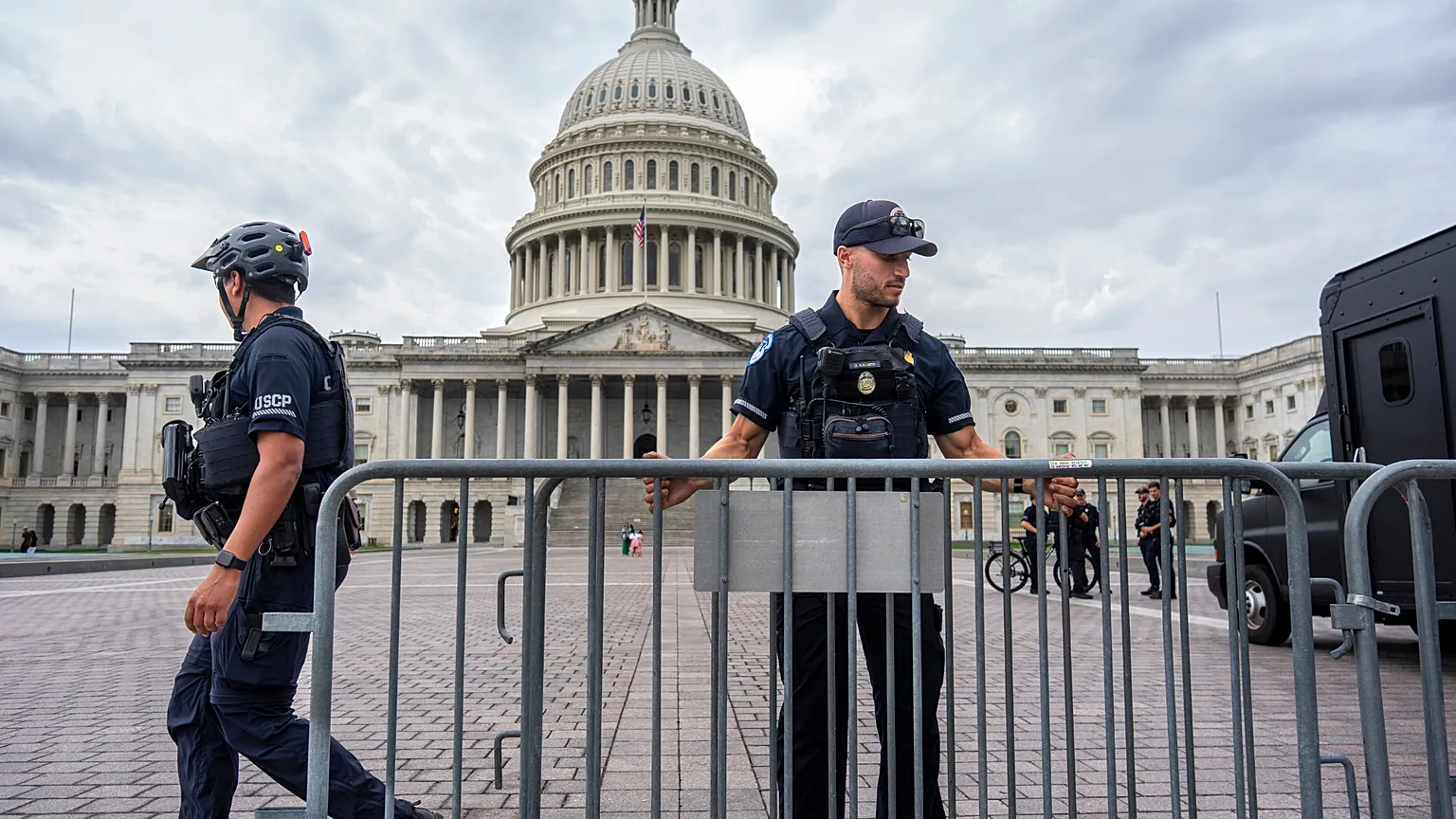
The United States is once again on the brink of what analysts consider a government shutdown, a scenario that global investors have seen play out more than a dozen times since 1976. While few expect America’s vast economy to collapse overnight, the political deadlock in Washington carries weighty consequences for global markets.
For Nigeria, a frontier market heavily dependent on crude oil exports and vulnerable to swings in foreign portfolio appetite, the unfolding drama in the U.S. is not a distant spectacle.
At the heart of the standoff is a fierce battle between Democrats and Republicans over healthcare subsidies and federal spending priorities. According to reports, if no deal is struck before midnight on Wednesday, Washington will implement its first shutdown in nearly seven years, leaving thousands of federal workers at risk of temporary layoffs and freezing parts of the bureaucracy.
Government shutdowns in the U.S. are not new. But their global reach has become more significant in today’s tightly interconnected markets.
Moreso, the situation is bound to have a ripple effect on emerging and frontier markets, as uncertainty pushes global investors toward safe havens, reducing appetite for riskier assets like Nigeria.
One of the biggest concerns for Nigeria is oil. With crude accounting for about 90 percent of foreign exchange earnings, fluctuations in oil prices immediately filter into government revenues and fiscal stability. According to analysts, prolonged uncertainty in the world’s largest economy could depress demand expectations and push prices lower. For Nigeria, where budgets are tightly pegged to oil benchmarks, such volatility complicates fiscal execution and heightens risk.
Beyond oil, portfolio flows into frontier markets like Nigeria are also at risk. U.S. Treasuries, seen as the safest asset globally, often become magnets for investors in times of political or financial stress. The irony is that while demand for Treasuries spikes, yields rise and capital is pulled out of riskier destinations.
Lessons from history
The 2018–2019 shutdown in Washington, the longest in U.S. history at 35 days, triggered volatility in global equities and commodities. Nigeria, still recovering from recession at the time, felt the effects indirectly through weaker oil prices and reduced portfolio flows.
What sets the current standoff apart is its timing. Global markets are already struggling to address high interest rates, sluggish growth in China, and volatile energy prices. An additional shock from Washington could magnify existing risks.
There are also growing concerns in Nigeria’s private sector, as importers are wary of currency swings, manufacturers fear cost spikes if oil prices shift, and lenders are preparing for portfolio adjustments.
“The Nigerian private sector is already battling inflation above 20 per cent and FX scarcity. Any external disruption, whether from Washington or Beijing, compounds the uncertainty,” says Muda Yusuf, CEO of the Centre for the Promotion of Private Enterprise.
In the U.S., it remains unclear whether Democrats and Republicans will reach a compromise before the deadline. For Nigeria, however, the outcome may matter less than the prolonged uncertainty leading up to it.