Business A.M
No Result
View All Result
Sunday, February 22, 2026
  • Login
  • Home
  • Technology
  • Finance
  • Comments
  • Companies
  • Commodities
  • About Us
  • Contact Us
Subscribe
Business A.M
  • Home
  • Technology
  • Finance
  • Comments
  • Companies
  • Commodities
  • About Us
  • Contact Us
No Result
View All Result
Business A.M
No Result
View All Result
Home Oil and Gas

Uganda tops Africa’s ERI ranking for best electricity regulatory frameworks

by Admin
January 21, 2026
in Oil and Gas
  • ERI ranking provides big lesson for Nigeria’s NERC‭, ‬as nation’s power sector gasps

Uganda, East African country with a gross domestic product (GDP) size of $118.69 billion, according to statista.com, has for the third time in a row emerged as the top performer in this year’s electricity regulatory index (ERI) report published by the African Development Bank (AfDB).
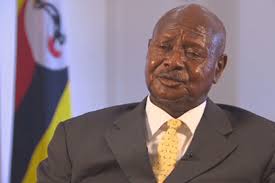
According to Ziria Tibalwa Waako, chief executive of Uganda’s Electricity Regulatory Authority (UERA), “Regulation is a catch-up game. If there are gaps, be happy to review your process and methodology.”

The East African country, along with Namibia, Tanzania, Zambia and Kenya, the other top performers, have regulators with the authority to exert the necessary oversight on the sector.

However, the overall electricity regulatory frameworks of African countries are poorly developed, and most countries experience major regulatory weaknesses, the AfDB report stated. For instance, in 90 percent of the countries surveyed, the executive arm holds the power to appoint board members and heads of regulatory institutions who report to them. This removes the core of decision-making independence from regulators, who are subjected to subtle and direct political pressure to skew key regulatory decisions towards the political inclination of the government in power.

The ERI, a flagship report of the AfDB, is a composite index which measures the level of development of electricity sector regulatory frameworks in African countries against international standards and best practice.

Kevin Kariuki, AfDB’s vice president, power, energy, climate and green growth, said the Bank has been at the forefront of efforts to mainstream electricity sector regulation issues in Africa within the broader sector discourse, recognizing the importance of establishing robust legal and regulatory frameworks to support the financial sustainability of the sector, and attract private sector investment.

The third edition of the ERI report was launched during the digital energy festival of the Africa Energy Forum, on 5 November 2020. The event brought together more than 70 stakeholders in the energy sector, regulators, international organizations, and development finance institutions like Africa50 and the World Bank.

Wale Shonibare, director for energy financial solutions, policy and regulations at the AfDB, said COVID-19 related restrictions had increased residential electricity demand and decreased industrial/ commercial demand. This had resulted in shortfalls in the projected revenues of utilities.

“To address these challenges, regulators will be required to play an even more critical and central role post-Covid, to ensure that the sector recovers with minimal and controlled impact on consumers and utilities,” Shonibare said.

Koffi Klousseh, the director of project development at Africa50, praised the ERI as a great tool for assessing the readiness of the electricity sector for private sector investments.

The main findings of the ERI 2020 report indicates that 69 percent of countries surveyed have regulatory mechanisms in place to facilitate electricity access; in 21 of the 36 countries surveyed, the utility is not involved in funding rural electrification. The government, NGOs and consumers do this. Also, most countries have legislation to deal with conflict of interest among commissioners and heads of regulatory institutions while in office. However, few have adequate mechanisms to regulate conflict of interest and other ethical issues affecting the integrity of regulatory decisions. Political authorities have significant influence on the finances of regulatory authorities. In many instances, laws establishing regulatory institutions do not clearly indicate sources of funds for the institution.


Admin
Admin
Previous Post

Dangote Refinery to employ over 250,000 Nigerians

Next Post

McKinsey shows how insurers can rethink SME segment

Next Post

McKinsey shows how insurers can rethink SME segment

  • Trending
  • Comments
  • Latest
Igbobi alumni raise over N1bn in one week as private capital fills education gap

Igbobi alumni raise over N1bn in one week as private capital fills education gap

February 11, 2026
NGX taps tech advancements to drive N4.63tr capital growth in H1

Insurance-fuelled rally pushes NGX to record high

August 8, 2025

Reps summon Ameachi, others over railway contracts, $500m China loan

July 29, 2025

CBN to issue N1.5bn loan for youth led agric expansion in Plateau

July 29, 2025

6 MLB teams that could use upgrades at the trade deadline

Top NFL Draft picks react to their Madden NFL 16 ratings

Paul Pierce said there was ‘no way’ he could play for Lakers

Arian Foster agrees to buy books for a fan after he asked on Twitter

Nigeria unveils N800bn industrial push to cut oil dependence

Nigeria unveils N800bn industrial push to cut oil dependence

February 20, 2026
CMAN calls oil revenue reform key to investor confidence recovery

CMAN calls oil revenue reform key to investor confidence recovery

February 19, 2026
Zoho targets Africa expansion after 30 years with self-funded growth strategy

Zoho targets Africa expansion after 30 years with self-funded growth strategy

February 19, 2026
GSMA presses telecoms to rethink business models for trillion-dollar B2B growth

GSMA urges rethink of spectrum policy to close rural digital divide

February 19, 2026

Popular News

  • Igbobi alumni raise over N1bn in one week as private capital fills education gap

    Igbobi alumni raise over N1bn in one week as private capital fills education gap

    0 shares
    Share 0 Tweet 0
  • Insurance-fuelled rally pushes NGX to record high

    0 shares
    Share 0 Tweet 0
  • Reps summon Ameachi, others over railway contracts, $500m China loan

    0 shares
    Share 0 Tweet 0
  • CBN to issue N1.5bn loan for youth led agric expansion in Plateau

    0 shares
    Share 0 Tweet 0
  • Glo, Dangote, Airtel, 7 others prequalified to bid for 9Mobile acquisition

    0 shares
    Share 0 Tweet 0
Currently Playing

CNN on Nigeria Aviation

CNN on Nigeria Aviation

Business AM TV

Edeme Kelikume Interview With Business AM TV

Business AM TV

Business A M 2021 Mutual Funds Outlook And Award Promo Video

Business AM TV

Recent News

Nigeria unveils N800bn industrial push to cut oil dependence

Nigeria unveils N800bn industrial push to cut oil dependence

February 20, 2026
CMAN calls oil revenue reform key to investor confidence recovery

CMAN calls oil revenue reform key to investor confidence recovery

February 19, 2026

Categories

  • Frontpage
  • Analyst Insight
  • Business AM TV
  • Comments
  • Commodities
  • Finance
  • Markets
  • Technology
  • The Business Traveller & Hospitality
  • World Business & Economy

Site Navigation

  • Home
  • About Us
  • Contact Us
  • Privacy & Policy
Business A.M

BusinessAMLive (businessamlive.com) is a leading online business news and information platform focused on providing timely, insightful and comprehensive coverage of economic, financial, and business developments in Nigeria, Africa and around the world.

© 2026 Business A.M

Welcome Back!

Login to your account below

Forgotten Password?

Retrieve your password

Please enter your username or email address to reset your password.

Log In
No Result
View All Result
  • Home
  • Technology
  • Finance
  • Comments
  • Companies
  • Commodities
  • About Us
  • Contact Us

© 2026 Business A.M