Onome Amuge
The UK is positioning itself as a broker between global investors and African conservation initiatives, as ministers seek to shape emerging markets for biodiversity assets ahead of a potential wave of regulatory change in 2026.
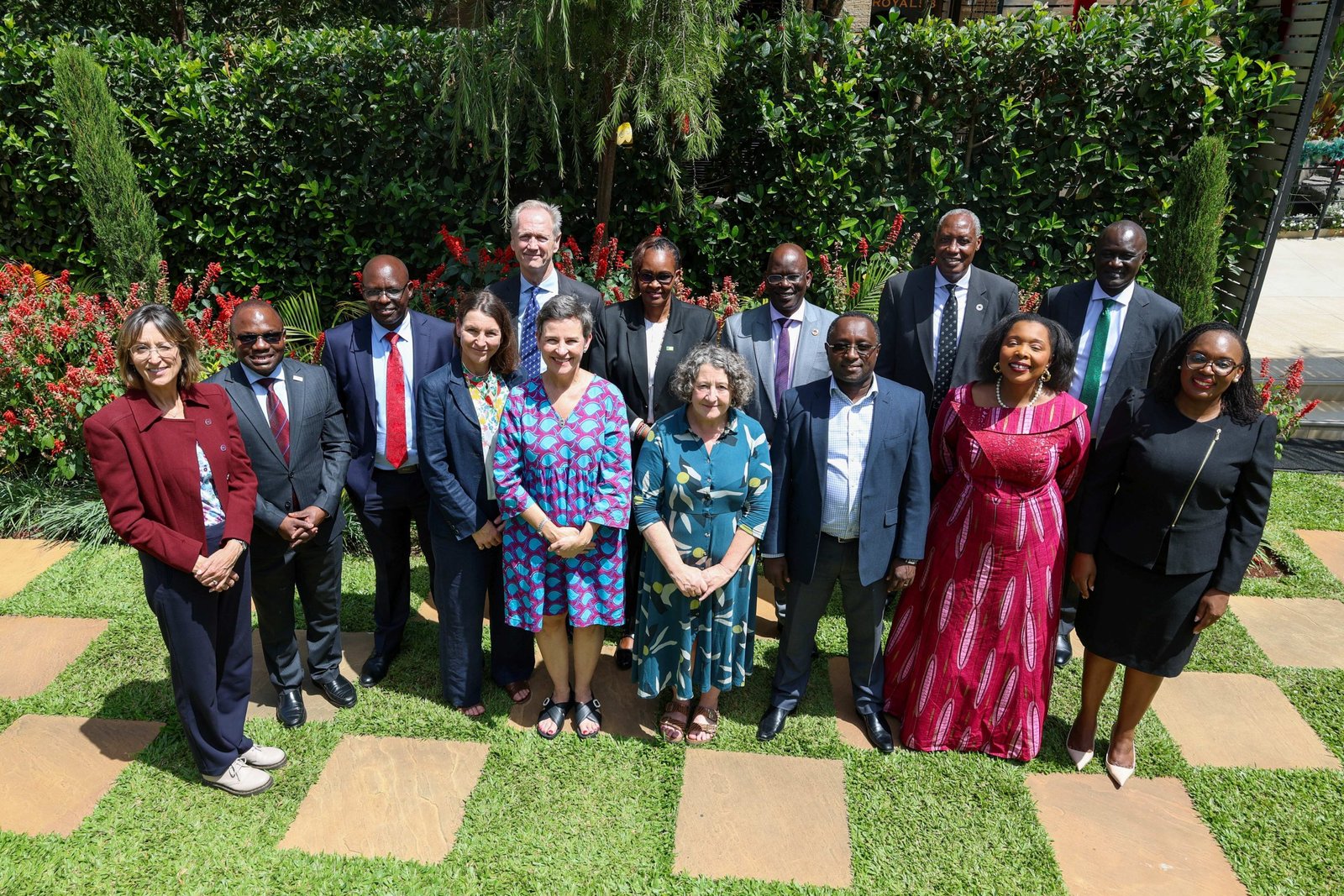
Mary Creagh, the UK’s Minister for Nature, used a series of meetings in Nairobi this week to test whether African financial institutions are ready to scale nature-related investment products that could eventually resemble the carbon-credit markets that have gained international traction. Her discussion with CEOs from the Africa Natural Capital Alliance (ANCA) centred not only on investment needs but also on the mechanics of turning ecological data into investable, tradable financial instruments.
While the UK has traditionally framed its environmental engagement with Africa through aid and multilateral channels, officials accompanying Creagh said the government is increasingly looking to nature finance as a strategic economic opportunity. London believes that early involvement in market design could give UK asset managers and insurers an advantage as biodiversity disclosure rules tighten worldwide.
Executives from African banks and insurers briefed the minister on their experiments with nature-related reporting and the integration of biodiversity risk into credit models. ANCA’s leadership, consisting Arthur Oginga, Eliane Ubalijoro and Kaddu Sebunya, said African institutions are moving faster than expected to adopt disclosure frameworks, partly due to pressure from international lenders and partly due to domestic concerns over land degradation and climate-driven losses.
Creagh’s visit to EarthAcre’s site in the Athi/Kapiti Corridor highlighted a further dimension of the UK’s interest: the emergence of technologies that can authenticate and monitor conservation outcomes. EarthAcre’s platform, which channels payments directly to landowners, is viewed by British officials as evidence that nature-linked financial products can maintain credibility while benefiting rural communities.
For African policymakers, the prominence of private-sector investors in the talks reflects a shift taking place on the sidelines of the UN Environment Assembly, where delegates are debating how to close the estimated $700 billion annual global financing gap for nature. Several participants warned that without early standard-setting, the continent risks repeating the fragmented evolution of carbon markets.