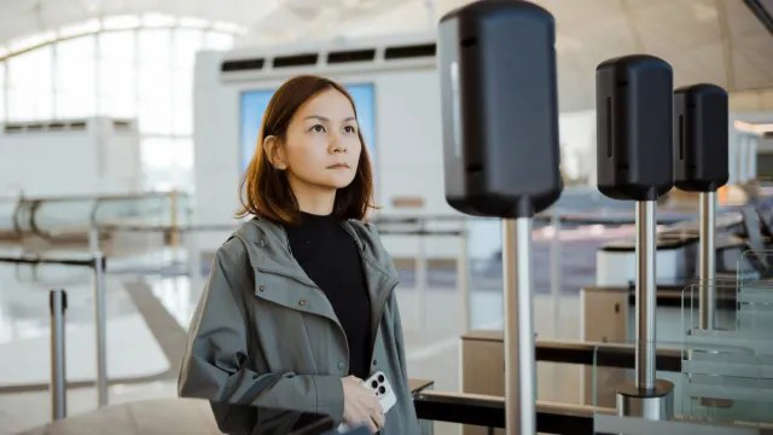
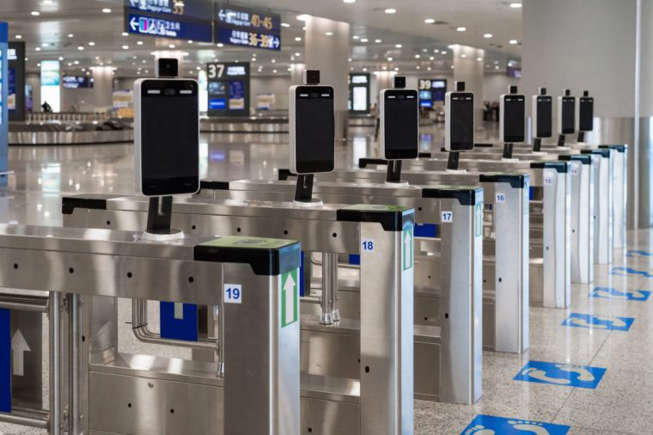
As the use of biometric security expands, Manchester airport has launched a trial for facial recognition for British passport-holders at e-gates as an alternative to passport checks. The trials are voluntary and significantly speed up airport checks, which can be as rapid as a few seconds. Passengers simply approach designated e-gates, which open if their face is recognised from data stored by the technology provider. Passengers register by taking a selfie either on their own mobile device, or at the airport, which is matched to a verified identification document such as a passport, creating a digital profile that is usually stored for the duration of the trip. Passengers at Heathrow departing on a UK or Republic of Ireland flight are already required to have a facial biometric image captured before passing into the departures lounge.
(Photo: Getty)
Finland finds a solution
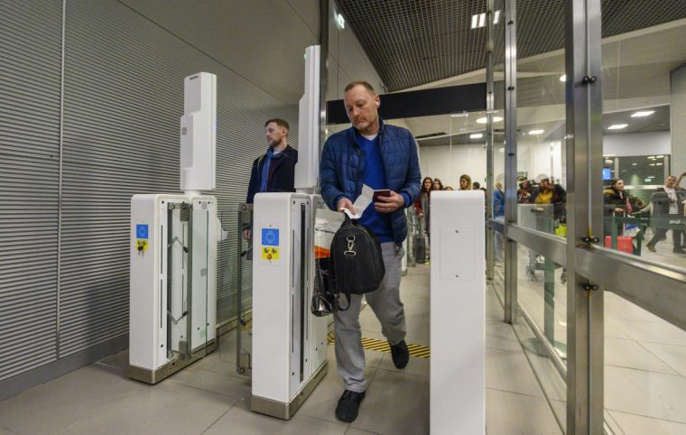
However, presently biometric airport checks do not remove the requirement for a physical passport completely, since data must be matched with the document. Last year, Finland piloted a digital passport for Finnish nationals with a focus on border control rather than the airport experience. The test found that digital border controls were much faster than manual controls, taking an average eight seconds. A recent global passenger survey carried out by the International Air Transport Association (Iata) revealed that half of passengers have used biometrics at some point in their airport journey, up from 46 per cent in 2024. It found that usage is most common at security, followed by exit immigration and then entry immigration. .
(Photo: Horacio Villalobos Corbis/Corbis via Getty).
What did passengers think?
Passengers who have used it reported high levels of satisfaction, with almost three quarters of respondents saying they would be willing to share their biometric information if it meant they did not have to show a passport or boarding pass. Iata is working to develop a One ID global solution that would enable passengers to be “ready to fly” before arriving at an airport, through the creation of a digital identity and shared biometric data. However, there is an underlying concern about data privacy. A pilot of “faceboarding” in Italy at Milan Linate airport was suspended in September following issues raised by the European Data Protection Board regarding data storage and safeguarding. Manchester is the first UK airport trialing biometric checks, but it is already in use in several more around the world. Here’s where it is currently in use or being rolled out.
(Photo: Maremagnum/Getty/Corbis).
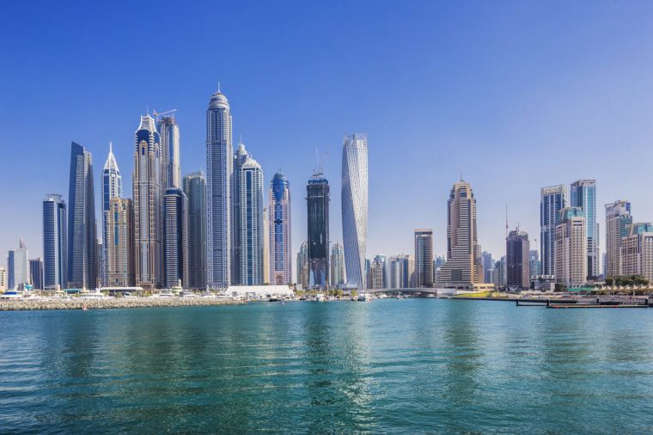
Dubai International, UAE
Emirates has installed more than 200 biometrics-enabled cameras across Terminal 3 at Dubai International Airport, enabling its loyalty programme members who have registered on the Emirates app or in person at the airport to pass through check-in, immigration, lounges and boarding without using their passport or boarding pass. Passengers must be aged 18 years or above to register, and details are stored until they request for them to be withdrawn.

(Photo: Reuters/Ibraheem Abu Mustafa).
Doha Hamad International, Qatar
Qatari and GCC (Gulf Co-operation Council) nationals can register biometrics to use e-gates for self-service digital immigration.

(Photo: Alexander Spatari/Getty).
Tokyo Narita and Haneda, Japan
Face Express is available at Tokyo’s two international airports for passengers of All Nippon Airways (Ana) and Japan Airlines. The facial recognition technology offers automatic check-in, security screening and boarding with biometric data that is processed at airline kiosks within the airport. Facial images are deleted after 24 hours. The service is not available for “infants and toddlers”.

(Photo: Tuul and Bruno Morandi/Getty).
Singapore Changi
Singapore residents can clear immigration using facial biometrics, and foreign passengers are able to use them when departing Singapore through Changi airport. However, non-Singaporean nationals must still present their passport for immigration clearance on arrival in Singapore.
(Photo: Michael Nagle/Bloomberg Finance LP/Getty).
United States
US Customs and Border Protection is rolling out Enhanced Passenger Processing (EPP) facilities at airports around the country. It is currently available for American citizens arriving at US airports including Los Angeles, Denver, Orlando, Hartsfield-Jackson Atlanta, Chicago O’Hare, Minneapolis-Saint Paul, New York JFK, Charlotte, Dallas Fort Worth and Seattle–Tacoma as well as pre-clearance at Dublin, Ireland. Eligible British passport-holders can register for Global Entry, a pre-clearance system using biometrics that costs $120 (£92) for five years. Holders can use biometric Seamless Border Entry (SBE) at a select number of US airports “depending on officer discretion”.

(Photo: M.Torres/Getty).
Curaçao
The Curaçao Express Pass is the world’s first digital pre-processing border crossing system. Pre-flight biometric digital identity verification enables passengers to verify and share their passport and biometric information with the country’s immigration system prior to travel via an app. Their details are matched at e-gates in a dedicated arrivals lane, expediting the arrivals process.

(Photo: Getty)..
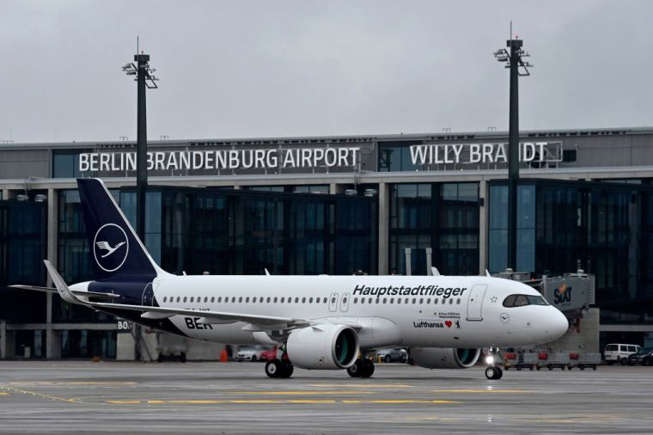
Bogota El Dorado, Colombia
BioMig allows foreign nationals and Colombian nationals aged 12 and over to register biometric data in order to speed up the airport experience when leaving the country.
(Photo: Getty).
Germany and Austria
At several airports in Germany and Austria, “your face becomes your boarding pass” after registering biometric details on the Star Alliance Biometrics app. Participating airports are Munich, Frankfurt, Hamburg and Vienna, for passengers flying on Lufthansa, Austrian and Swiss Air Lines. Participants must be aged 18 or above. The digital profile enables passengers to pass through airport checkpoints before boarding a flight.

(Photo: Josep Lago/AFP via Getty).
Barcelona and Madrid, Spain
Spanish airline Iberia offers biometric boarding at these two airports for passengers over 18 holding an Iberia Plus loyalty card who have registered their biometric data. It is currently only available on its “Air Bridge” route between the two cities.