
The deepest fear of Nigerian electricity consumers is not merely unreliable supply, but an estimated bill that compels them to pay for darkness rather than energy consumed.
When the Nigerian Electricity Regulatory Commission (NERC) issued a directive on November 2, 2026—releasing ₦30 billion to buy free prepaid meters under the third phase (“Tranche C”) of the Meter Acquisition Fund (MAF)—it brought relief to many consumers, yet met with scepticism given past failed promises. That ₦30 billion brings total fund allocations to ₦79 billion (after ₦21 billion in Tranche A and ₦28 billion in Tranche B). The rules sound simple: the meters are strictly free, marked “NOT FOR SALE,” and due for installation by May 31, 2027. Beneath that welcome headline, however, lie two major conflicts—one over legal authority to regulate electricity inside states, and another over basic fairness in how bills are shared.
First is a clash of authority between Abuja and state governments. Following constitutional amendments and the Electricity Act 2023, 17 states have assumed legal control of intrastate electricity supply, each with its own State Electricity Regulatory Commission (SERC). Meanwhile, the legacy regional distribution companies (DisCos) have spun off state operations into separate state-licensed utilities—such as MainPower in Enugu and IE Energy in Lagos—reporting directly to state regulators.
Despite this, NERC’s order issues direct instructions to these state-licensed utilities on vendor procurement, installation timelines, accounting reports, and non-compliance penalties—without seeking the consent of the state regulators overseeing them. Even more confusingly, NERC empowered a private fund manager (holding no license from any state regulator) to supervise state rollouts while routing funds through the old parent DisCos. That leaves a messy ownership question: do these meters belong to the old regional parent company or the new state utility?
In March 2026, NERC inaugurated the Forum of Nigerian Electricity Regulators (FoNER) so federal and state commissions could harmonise rules together. Issuing top-down directives to state utilities without bringing state regulators on board defeats that forum’s core purpose.
Second, and more troubling to everyday Nigerians, is who actually pays for these “free” meters.
The ₦79 billion in the Meter Acquisition Fund is neither a government grant nor a utility loan. It is collected directly from ordinary electricity consumers. Whenever Nigerians buy electricity units or pay monthly bills, a small levy (around ₦1.82/kWh) is quietly deducted into this central fund.
Here is the catch: everybody pays into the central purse, but only a select few receive the meters.
Under NERC’s order, the entire ₦30 billion will be spent exclusively on customers in Band A (receiving 20 or more hours of daily supply) and Band B (16 to 20 hours). Meanwhile, millions of households in Bands C, D, and E—enduring far poorer supply, arbitrary estimated bills, and even citizens who already paid out of pocket for prepaid meters—continue paying that extra levy on every unit purchased. In plain terms, Nigerians with the worst power supply are subsidising free meters for Nigerians enjoying the best power supply.
Normally, electricity pricing works the opposite way: heavier users with reliable power help cushion costs for lower-income households with poor supply. NERC argues that metering Band A and B customers first helps DisCos secure revenue quickly to keep the sector afloat.
Yet NERC had a far fairer option. A typical Band A household spends over ₦200,000 monthly on electricity. Adding a dedicated ₦15,000 monthly meter charge strictly onto unmetered Band A bills would pay off a ₦150,000 single-phase meter in just 10 months—raising over ₦30 billion in under a year without taking a single kobo from Band C, D, or E residents.
Instead, NERC took the easiest accounting shortcut: collecting small deductions from every grid consumer while distributing free meters solely to top-tier feeders. That leaves state regulators absorbing public anger from Band C, D, and E residents watching money leave their communities with no meters returning.
NERC can still resolve this before it escalates into a legal dispute with state governments:
- Sit down with state regulators first: NERC should immediately table this ₦30 billion plan before the joint federal-state regulators’ forum (FoNER) so state commissions can review, adjust, and co-sign state rollouts.
- Hand state shares to state regulators: NERC should ring-fence the meter fund share belonging to each state operating its own electricity market, letting that state’s regulator supervise contractors and enforce the May 2027 deadline.
- Clarify meter ownership: Federal and state regulators must jointly confirm that every meter installed in a state belongs legally to that state’s utility—not the old regional parent DisCo.
- End upward subsidies from poorer feeders: Going forward, any meter levy collected from Band C, D, and E neighbourhoods must stay locked in a dedicated account strictly to buy free meters for those same neighbourhoods—while Band A customers pay off their own meters directly.
Moving electricity governance closer to the states was meant to end jurisdictional disputes and improve service delivery. That promise will only succeed if NERC respects state boundaries and ensures citizens with poor supply are never forced to subsidise free hardware for those with steady light.
How will state regulators react to this order? This is a litmus test of state autonomy under the Electricity Act 2023. How NERC and state regulators resolve these issues will shape investors’ perception of political risk—potentially chilling investment decisions and undermining NERC’s own recent calls for private capital to enter the industry.
- business a.m. commits to publishing a diversity of views, opinions and comments. It, therefore, welcomes your reaction to this and any of our articles via email: comment@businessamlive.com
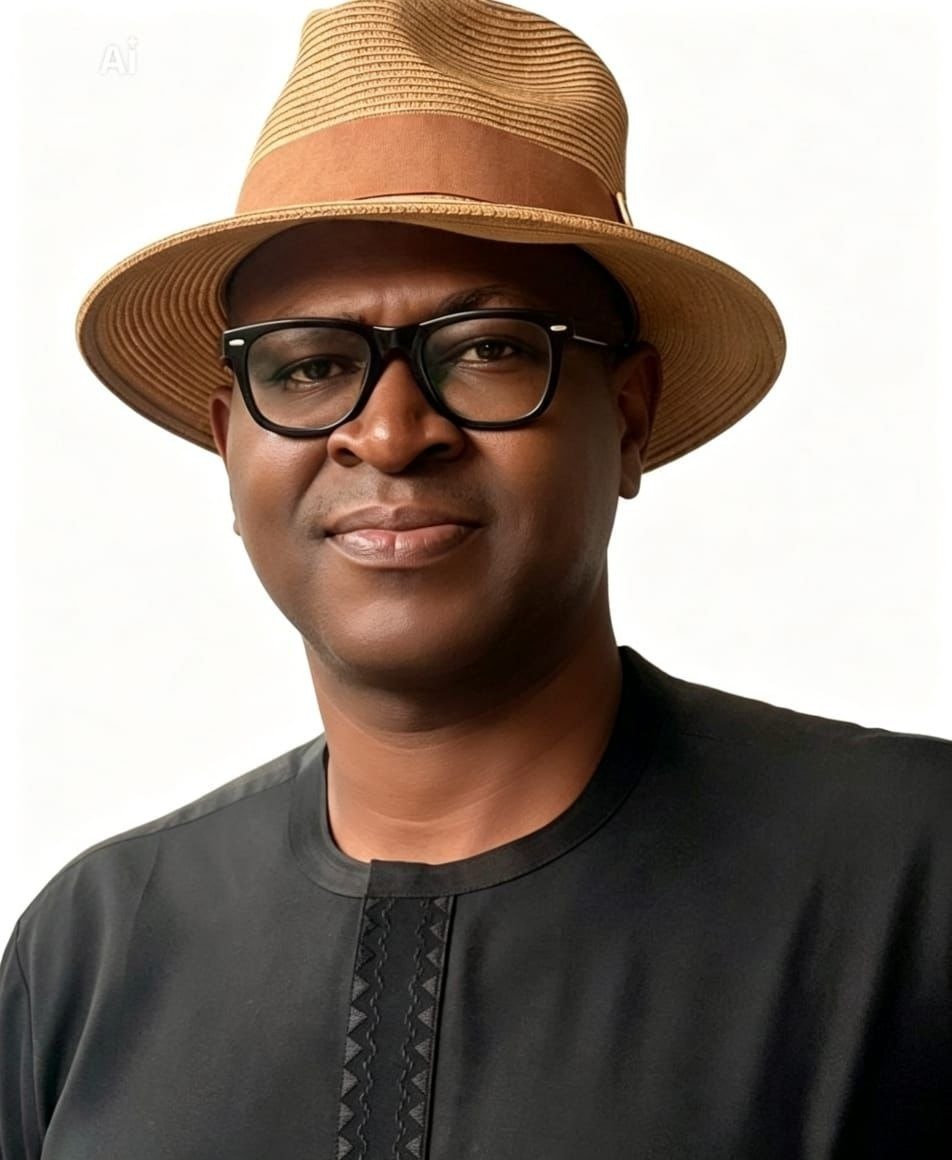
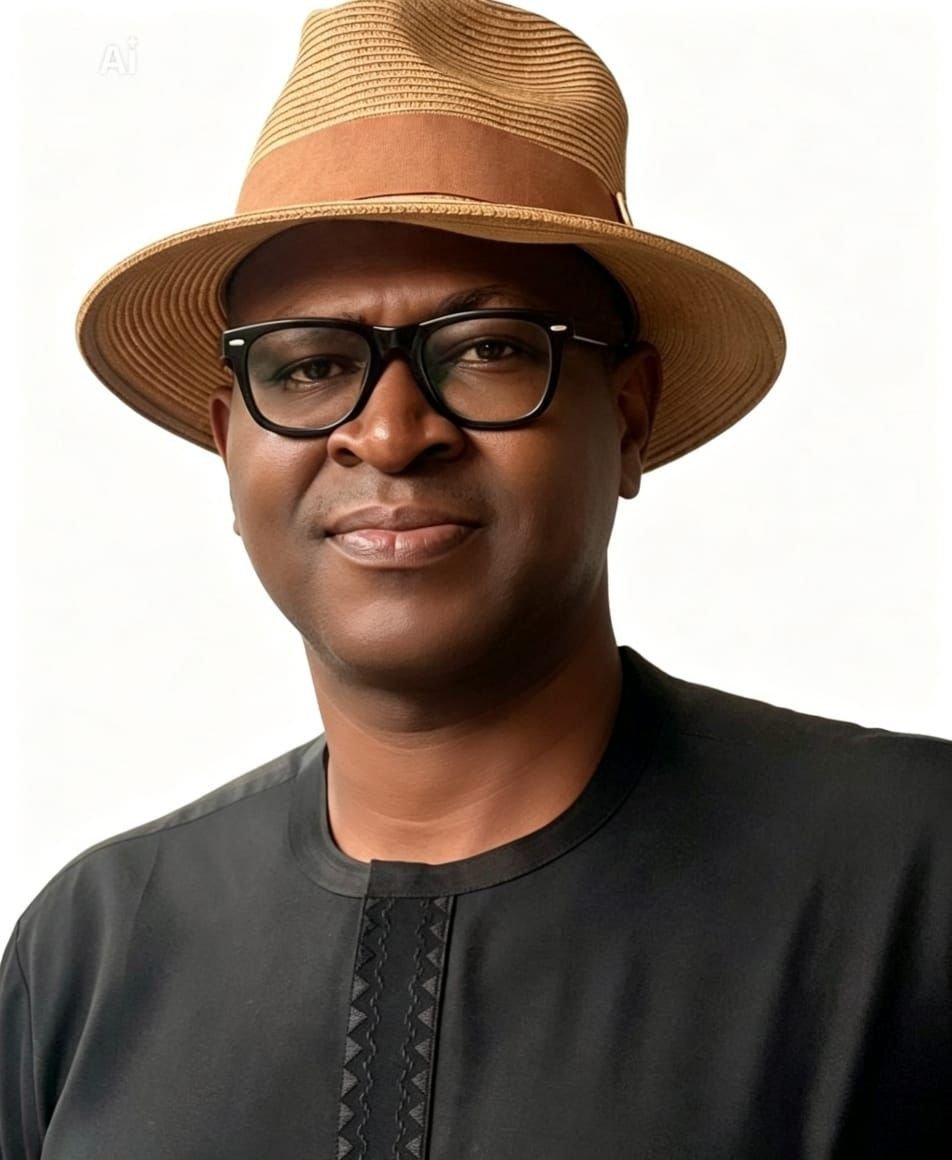
Masah Emmanuel Ikus is a Power and Energy Infrastructure Strategist and the Principal Consulting Partner at EMI Resources Limited. A University of Lagos-trained Electrical Engineer with an EMBA from Lagos Business School, he possesses over 27 years of experience managing complex infrastructure projects across the ICT, Oil & Gas, and Power sectors, specialising in the design of decentralised power systems and solar integration. He currently advises investors, project sponsors, and public institutions on leveraging Nigeria’s energy deficit into bankable commercial opportunities. He can be contacted via masahikus@gmail.com







A hiring freeze is not civil service reform