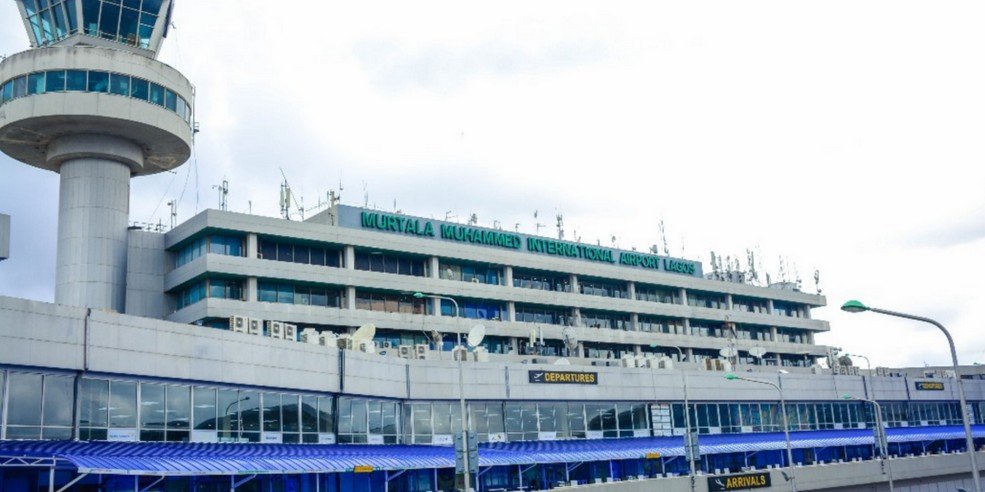
Nigeria’s N712 billion reconstruction of the Murtala Muhammed International Airport (MMIA) Terminal 1 is facing a critical operational challenge, with aviation industry veterans warning that improvements in physical infrastructure may deliver limited value without fundamental changes in airport personnel conduct and service standards.
The warning raises questions about the returns on Nigeria’s massive airport infrastructure investments, particularly whether capital expenditure can deliver improved passenger experience, operational efficiency and international competitiveness without corresponding reforms in workforce discipline and service delivery.
The Federal Government’s reconstruction programme, approved by the Federal Executive Council, is expected to take 22 months and involves a comprehensive overhaul of Terminal 1, which has been in operation for nearly five decades.
According to the Federal Airports Authority of Nigeria (FAAN), the project will involve stripping the existing terminal to its concrete structural frame and rebuilding it with upgraded mechanical, electrical, plumbing, security and passenger-facing systems.
However, George Uriesi, chief executive officer of Ibom Air and former managing director of FAAN, said the success of the investment would depend on whether improvements in infrastructure were matched by changes in the behaviour of personnel responsible for airport operations and passenger services.
Uriesi described the infrastructure intervention as commendable but warned that a modern terminal could still deliver a poor passenger experience if extortion, indiscipline and unprofessional conduct persisted among airport workers.
He pointed to Ghana’s Kotoka International Airport in Accra as an example of how professional conduct and service delivery contribute to the overall airport experience, arguing that Nigeria could learn from how neighbouring countries manage their international terminals.
Richard Aisuebeogun, another former FAAN managing director, similarly argued that airports are defined by more than their terminal buildings, runways, navigation systems and technology.
He called for greater emphasis on courtesy, respect, efficiency, punctuality, accountability and compliance with operational procedures, while urging decisive action against corruption, extortion and abuse of office.
Beyond the physical condition of airport terminals, passengers encounter institutional weaknesses through delays, unprofessional conduct and inefficient service at critical operational points. Such experiences can damage airport credibility and raise concerns among airlines and businesses about the reliability of Nigeria’s aviation infrastructure.
The concerns therefore extend beyond passenger relations to the business environment in which airlines, airport concessionaires, travel companies and other service providers operate.
The Terminal 1 reconstruction represents a significant capital commitment towards renewing ageing airport infrastructure. Yet the long-term value of the investment will depend on the authority’s ability to sustain the upgraded facilities through effective management, workforce development, transparent procedures and enforceable service standards.
This places institutional reform alongside construction delivery as an important consideration in the airport modernisation programme.
Experts opine that without measurable improvements in staff conduct, passenger handling, complaint resolution and operational accountability, the upgraded terminal could face the same service delivery challenges that have affected the existing airport environment.