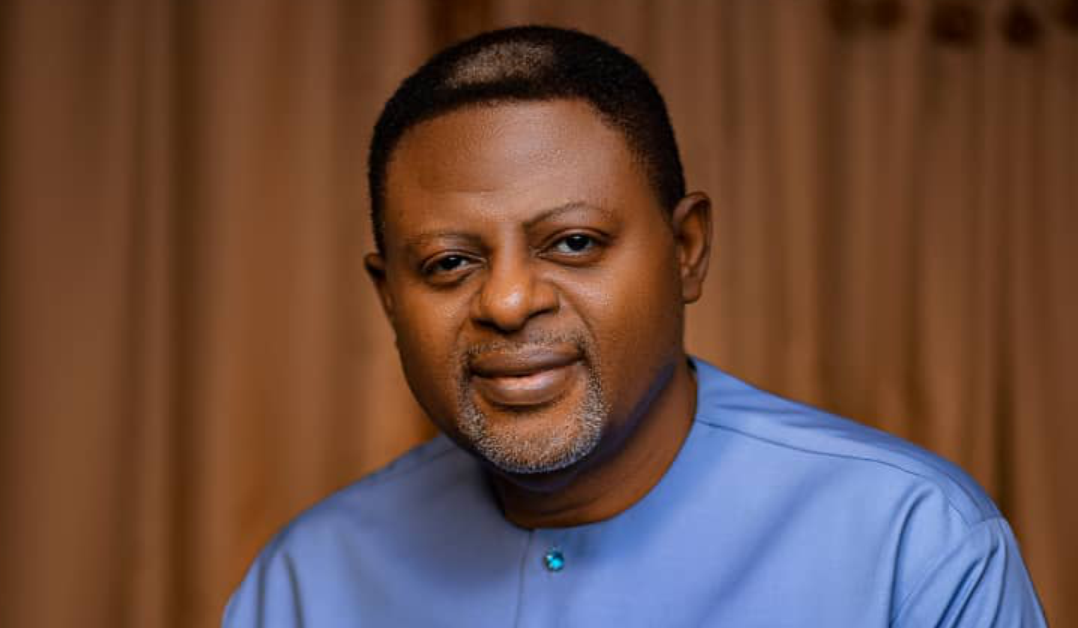
Cross River governor, Bassey Otu, has said the Bakassi Deep Seaport estimated at the cost of $2 billion, is now moving on to execution stage, after many years of planning. Recently, the state government convened a high-level sensitization forum to galvanize stakeholder support for the deep seaport project, describing it as a flagship initiative aimed at repositioning the state as a major hub in Nigeria, the West African sub-region and the Gulf of Guinea.
The engagement, according to Victor Edet, senior special adviser to the Governor on international cooperation and investment, was to review progress, align expectations, and chart a clear path forward for the project.
The Bakassi Deep Seaport, with an estimated depth of 18 meters, will accommodate large vessels directly, eliminate the need for transhipment, and enhance trade linkages with neighbouring countries such as Cameroon, Equatorial Guinea, Gabon, Congo, Chad, and Niger, while reducing pressure on existing ports.
The project will be supported by a 275-kilometre evacuation corridor, incorporating road and rail infrastructure to ensure seamless movement of goods, and will also leverage opportunities under the African Continental Free Trade Area (AfCFTA) to attract foreign direct investment and boost regional trade.
The owner state government, however, looks to sell the seaport concept to potential foreign investors at an upcoming international trade fair in China as part of efforts to attract investors and secure global partnerships for its realization.
Edwin Okon, chairman of Cross River Internal Revenue Service (CRIRS), said the project would materialize within the next five years, having been approved by the federal executive council. He said it is receiving increasing interest from foreign investors.
The state government plans to grant tax waivers and provide business support to investors, with projections to get the seaport generating up to N40 billion monthly in its early years, driven by both direct and indirect economic activities.
For the organised private sector, the seaport is capable of redefining the state’s economic trajectory. Kelly Ayamba, president of the Calabar Chamber of Commerce, Industry, Mines and Agriculture (CALCCIMA), described the deep seaport as ambitious and transformative.