Global oil and gas markets are under pressure as tankers steer clear of the Strait of Hormuz after coordinated military strikes by the United States and Israel on Iranian targets. The vital maritime corridor, responsible for a substantial share of global oil and LNG shipments, has recorded reduced vessel traffic, marking the first clear disruption to commodity flows since the escalation. Analysts caution that sustained instability could transmit shockwaves across energy markets, with Nigeria’s oil-dependent economy particularly exposed to price volatility and revenue uncertainty.
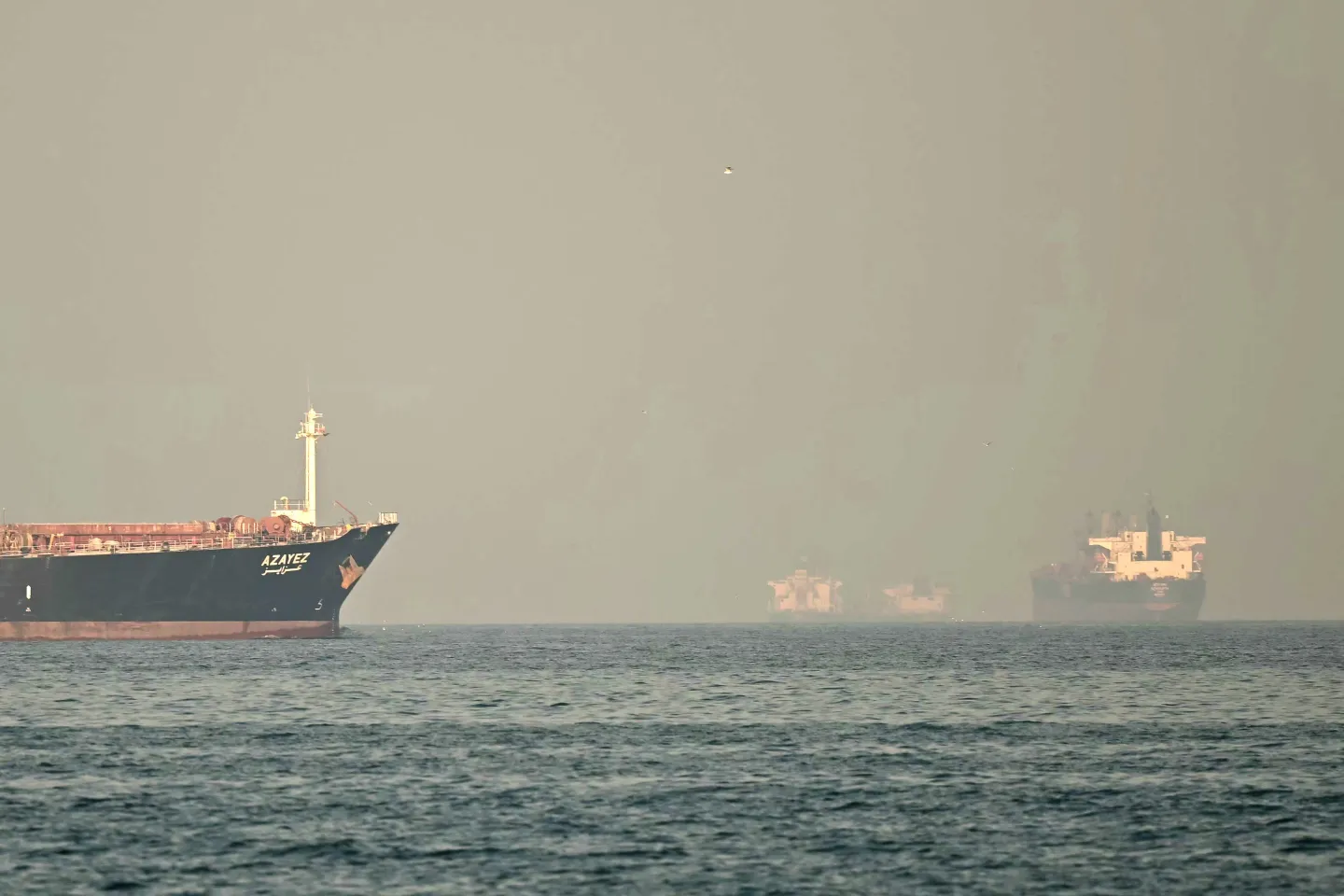
According to Bloomberg vessel-tracking data, several tankers have reversed course or delayed entry into the strait, responding to warnings issued amid rising tensions in the Persian Gulf. Reports indicate that a radio broadcast, allegedly from the Iranian Navy, prohibited transit through the waterway, prompting caution among shipowners. While some vessels continue to navigate the chokepoint, at least seven ships have been observed exiting the strait and six entering after the advisories, reflecting a cautious approach by maritime operators.
The United States, seeking to safeguard its military assets, issued advisories instructing all vessels operating in the Middle East to maintain a 30-nautical-mile buffer from US forces. Shipowners interpreted the guidance as effectively closing the strait for commercial traffic. Japan’s Nippon Yusen KK instructed its fleet to avoid Hormuz, while Greece advised its merchant fleet to reassess transit plans. Some operators have entirely postponed voyages, heightening the sense of uncertainty in global energy logistics.
The attacks represent a significant escalation in tensions between Western powers and Tehran. On Saturday, US and Israeli forces conducted a wave of airstrikes targeting multiple Iranian cities, triggering explosions and plumes of smoke in Tehran and other urban centers. Israeli Defence Minister Israel Katz described the operations as “preventive strikes,” while US President Donald Trump characterised the campaign as aimed at “eliminating imminent threats” posed by Iran’s nuclear and missile programmes. Sources cited by CNN reported that the US military was preparing for several days of operations, signaling the possibility of prolonged disruption.
The Strait of Hormuz is one of the most important oil chokepoints in the world. It links the Persian Gulf to international markets and handles roughly one-fifth of the globe’s seaborne oil and LNG shipments daily. Any disruption in transit through this narrow waterway has historically had an immediate and pronounced impact on global oil pricing and energy security.
Early signals from retail oil trading indicate heightened market volatility. West Texas Intermediate (WTI) crude futures, priced through IG Group Ltd., rose to as high as $75.33 per barrel, a 12 per cent increase from Friday’s close, highlighting investor sensitivity to the escalating conflict. Although institutional markets were closed over the weekend, these early indications point to a potential spike in global oil prices should tanker delays persist.
Beyond immediate price volatility, the impact on LNG markets is significant. Qatar, one of the world’s largest LNG exporters, relies on the Strait of Hormuz for nearly 20 per cent of global LNG supply. Reports indicate that at least three gas tankers travelling to or from Qatar have paused journeys, resulting in further implications for energy supply security, particularly for Asian and European markets that rely on steady LNG imports for power generation and industrial use.
The human toll of the strikes has also escalated, with civilian casualties increasingly reported. Israeli airstrikes allegedly hit an elementary girls’ school in Minab, southern Iran, resulting in at least 51 fatalities, while additional strikes east of Tehran reportedly killed two students. These developments highlight that the conflict is extending beyond military and nuclear infrastructure, raising the stakes for international diplomatic intervention and potential sanctions or retaliatory measures.
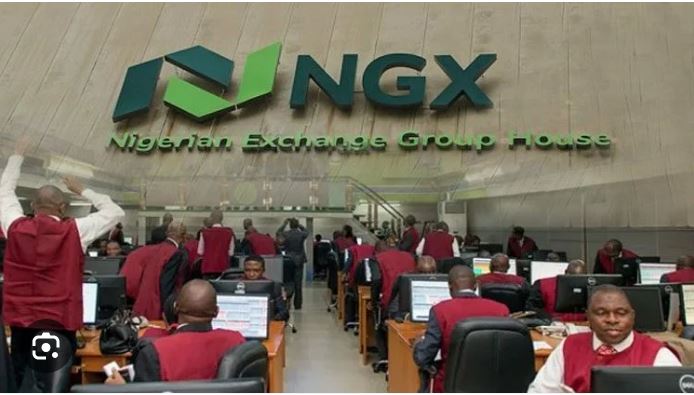
The Strait of Hormuz crisis presents economic consequences for Nigeria. As Africa’s leading crude exporter and a member of Organization of the Petroleum Exporting Countries, Nigeria’s macroeconomic stability is tightly correlated with international oil price movements. Historically, Persian Gulf tensions have injected risk premiums into crude benchmarks, temporarily lifting export earnings and strengthening fiscal buffers.
However, elevated oil prices also transmit inflationary pressures through higher fuel import bills, increased production costs, and currency volatility. The net effect depends on the duration of the disruption and Nigeria’s capacity to manage external shocks.
Industry analysts observe that Nigeria’s dependence on oil exports makes it particularly sensitive to short-term global supply shocks. If Middle East disruptions persist, buyers may turn to alternative suppliers, potentially providing Nigerian crude with a temporary market advantage.
Furthermore, the escalation could influence Nigeria’s LNG sector, which has become a growing source of foreign exchange and industrial feedstock. Disruptions in Qatar’s LNG exports, routed through the Strait of Hormuz, may shift demand patterns, increasing global competition for supply and potentially providing Nigerian LNG exporters with higher-margin opportunities. On the other hand, sustained volatility in shipping routes may raise freight costs and insurance premiums for tankers, complicating Nigeria’s energy export operations.
The current crisis also has implications for global energy transition strategies. Many international investors view natural gas as a transitional fuel capable of displacing carbon-intensive coal and oil. Prolonged geopolitical risks in the Gulf could accelerate investment in alternative gas sources, including Nigeria’s domestic reserves, which are estimated at over 210 trillion cubic feet. Industry leaders have long argued that unlocking these reserves requires significant financing, infrastructure investment, and digitalisation to improve operational transparency and efficiency. Disruptions in traditional supply chains may create an incentive for industrialized nations to diversify sourcing and accelerate investment in African gas projects.
On the policy front, Nigeria’s energy authorities may face pressure to enhance resilience in supply chains and reduce overdependence on single-source markets. The current tensions show the strategic importance of both physical infrastructure, such as pipelines, ports, and storage facilities, and financial mechanisms that enable rapid scaling of production capacity. Analysts note that lessons from the Strait of Hormuz disruption could inform domestic policies, including accelerated gas utilization initiatives and the strengthening of ESG-aligned financing to attract global investors.
The international community is closely watching the situation, with the potential for rapid escalation if diplomatic channels fail. Any further attacks or retaliatory actions could trigger wider disruptions in maritime energy corridors, affecting global crude and LNG flows for weeks, if not months. Energy analysts caution that markets may remain volatile until clear conflict resolution measures are in place.