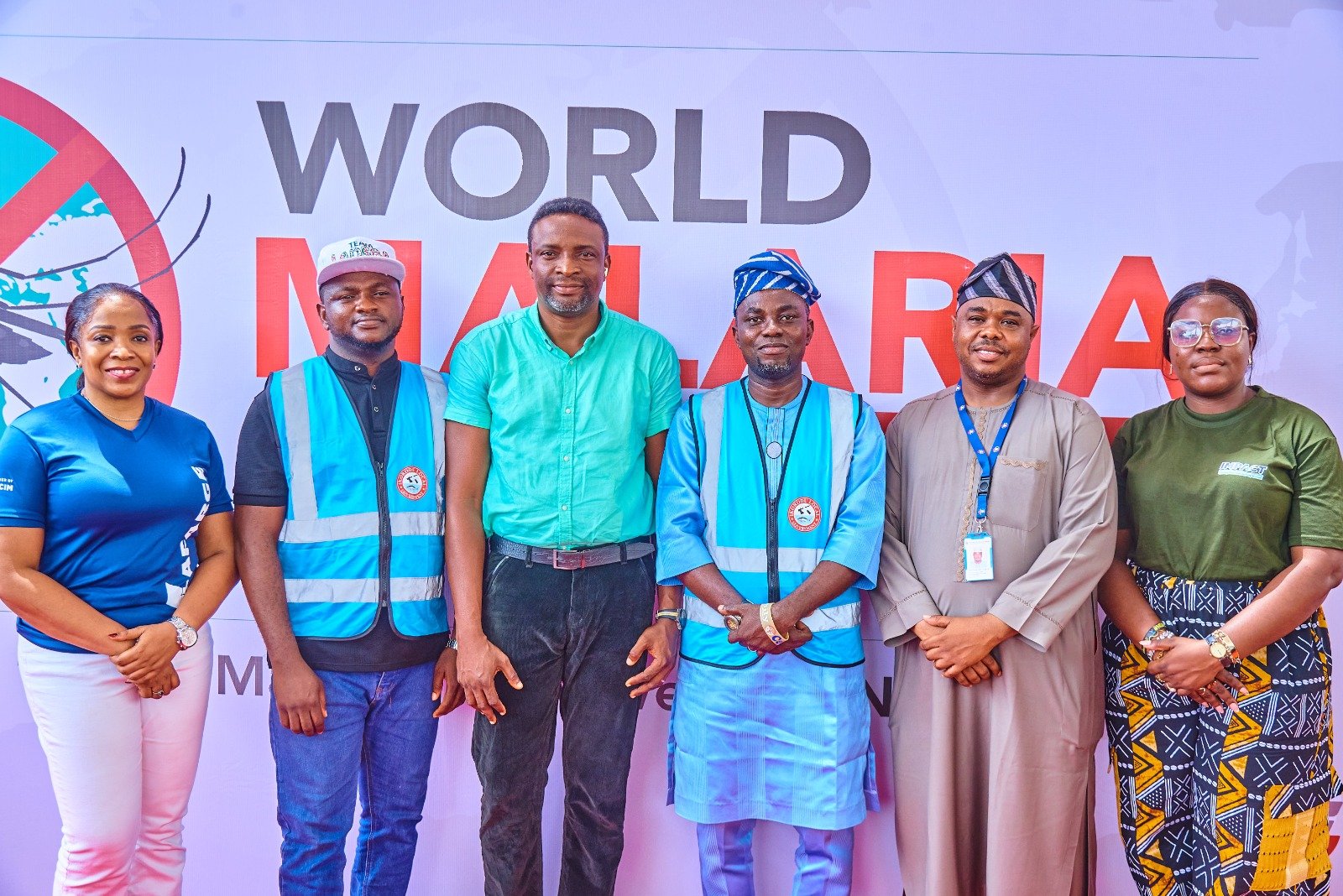
Lafarge Africa Plc has intensified its public health and community sustainability initiatives with a nationwide malaria outreach campaign aimed at strengthening awareness, prevention and early treatment efforts across its host communities in commemoration of the 2026 World Malaria Day.
The company’s intervention, carried out under the global theme “Driven to End Malaria: Now We Can. Now We Must,” mobilised more than 1,000 participants, including residents, healthcare stakeholders, community leaders and local government representatives, in a coordinated effort to combat one of Nigeria’s most persistent public health challenges.
Activities were held across several locations nationwide, including Lagos, where the company partnered with the Society for Family Health, Lagos State Health District II and Leadway Health to implement targeted healthcare interventions.
The outreach programme featured health education sessions, distribution of insecticide-treated mosquito nets and sensitisation campaigns focused on environmental hygiene practices aimed at reducing malaria transmission within vulnerable communities.
Public health experts note that malaria continues to pose significant economic and healthcare burdens across Nigeria, particularly among low-income households, pregnant women and children. According to global health estimates, Nigeria remains one of the countries most affected by malaria worldwide, accounting for a substantial share of global malaria-related deaths and infections annually.
Speaking during the outreach, Kemi Albert-Udoh, occupational health coordinator at Lafarge Africa Plc, stressed the need for sustained collaboration between communities, healthcare institutions and private sector organisations in reducing the spread and impact of malaria.
Albert-Udoh explained that malaria remains deeply entrenched across many Nigerian communities and requires consistent intervention through prevention, education and early treatment strategies.
“Malaria has been with us for decades and continues to affect millions, particularly pregnant women and children. However, through collective effort and sustained intervention, we can significantly reduce its impact. At Lafarge, we are committed to playing our part by supporting prevention, early diagnosis and effective management, ensuring that fewer people fall ill and more lives are protected,” she said.
She further noted that the company’s interventions are designed to complement broader national public health objectives by promoting behavioural changes capable of reducing exposure to mosquito breeding environments and encouraging timely medical attention when symptoms arise.
Gabriel Pollyn, head, sustainability and sponsorships, Lafarge Africa Plc, said the company remains focused on building resilient communities through long-term investments in preventive healthcare and strategic partnerships.
According to Pollyn, this year’s World Malaria Day theme reinforces the urgency of converting available knowledge and healthcare tools into coordinated action capable of producing measurable public health outcomes.
“We are here today to mark World Malaria Day under the theme ‘Driven to End Malaria: Now We Can. Now We Must.’ This reflects the urgency and responsibility we all share in tackling malaria. At Lafarge Africa, our commitment to health goes beyond our operations, as we continue to invest in preventive healthcare, awareness campaigns, and access to interventions that protect families and strengthen communities,” he added.
The intervention also drew commendation from local government authorities and healthcare stakeholders who highlighted the growing role of corporate partnerships in strengthening healthcare delivery at the community level.
Adekunle Onikoyi, deputy chief of staff, Ikorodu Local Government Area, praised Lafarge Africa and its healthcare partners for sustaining community-focused initiatives that support preventive healthcare awareness and strengthen grassroots engagement.
According to Onikoyi, interventions targeted at disease prevention and education remain essential in reducing healthcare pressures while improving public understanding of environmental sanitation and personal health management.
Beneficiaries of the programme also acknowledged the practical impact of the outreach within their communities.
Mudzu Ummusalma said the sensitisation sessions provided valuable education on malaria transmission, prevention methods and environmental cleanliness practices.
Expressing appreciation, Ummusalma explained that the outreach had influenced how she intends to approach healthcare management within her household and community.
She added that the programme improved her understanding of the importance of maintaining clean surroundings and consistently using preventive tools such as insecticide-treated mosquito nets to reduce exposure to malaria.
The latest initiative comes amid increasing recognition that malaria continues to affect labour productivity, household incomes and economic development across many African countries.
Health economists note that beyond its direct healthcare impact, malaria imposes broader economic costs through lost work hours, school absenteeism and increased medical expenditures for families and governments.
As a major manufacturing company with operations spanning multiple regions in Nigeria, Lafarge Africa’s growing investment in public health initiatives reflects an initiative among corporate organisations toward embedding environmental, social and governance priorities into operational strategy.
The company, now a member of Huaxin Cement Co. Ltd., maintains one of the widest operational footprints within Nigeria’s cement industry, with cement production facilities located in Ogun, Gombe and Cross River states, alongside ready-mix operations in Lagos, Abuja and Port Harcourt.
Listed on the Nigerian Exchange Group, Lafarge Africa currently operates an installed cement production capacity of 10.5 million tonnes per annum and continues to position itself as a major participant in Nigeria’s infrastructure and urbanisation growth.
Beyond construction and industrial activities, the company says it remains committed to creating shared value through initiatives that improve livelihoods, strengthen communities and support sustainable development objectives.