Abdul Samad Rabiu Africa Initiative (ASR Africa), a philanthropic organisation founded by renowned industrialist,Abdul Samad Rabiu, is advancing its human capital agenda by extending its mentorship programme for young women to additional countries and tertiary institutions across the continent
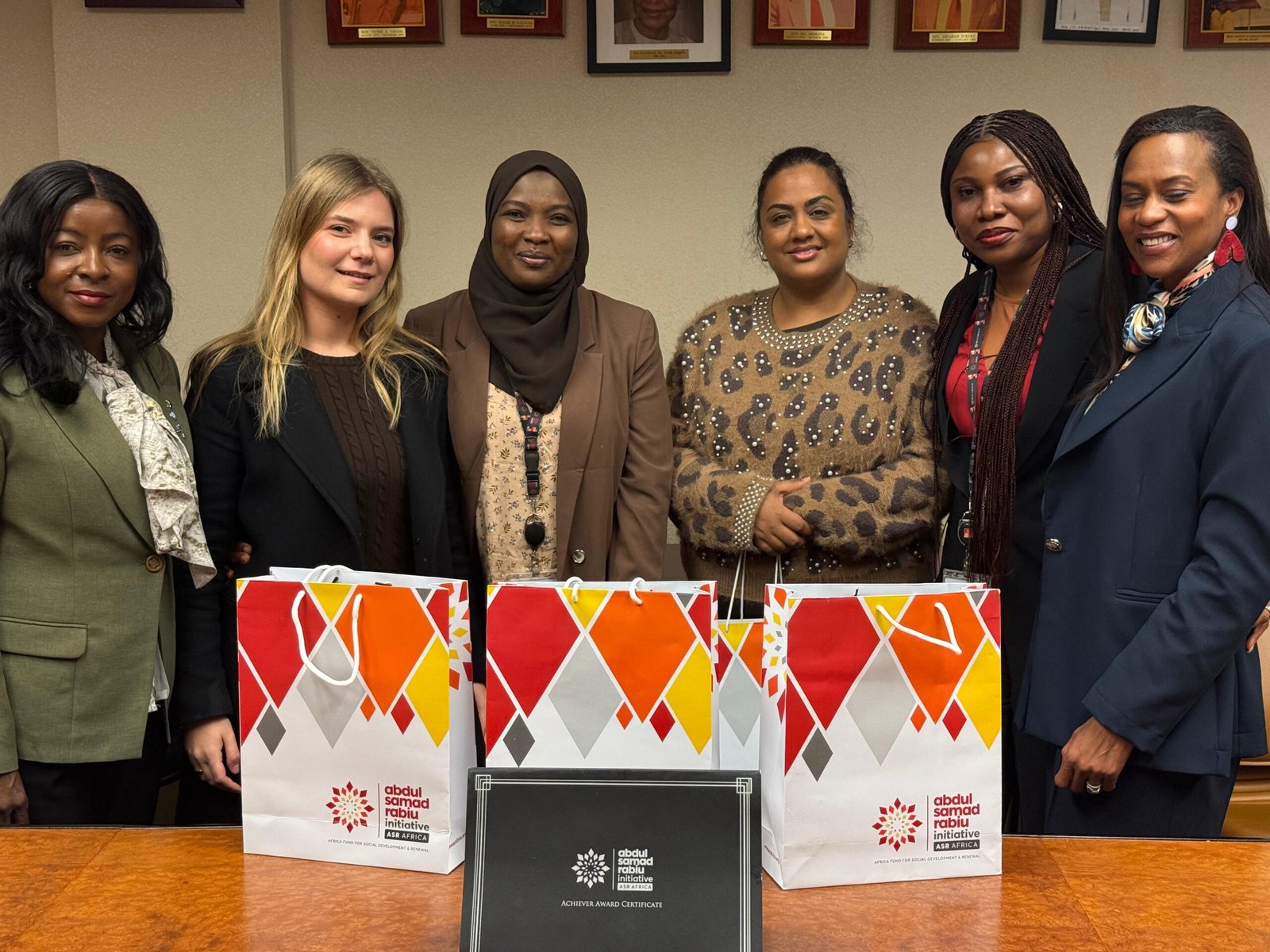
ASR Africa deepened its long-term impact of its mentorship initiative at a high-level stakeholder meeting held in New York on the sidelines of the 70th session of the United Nations Commission on the Status of Women, positioning it as a critical tool for workforce readiness and leadership development across the continent.
The gathering brought together mentors from across Africa and the diaspora to evaluate the programme’s progress and shape its next phase, reflecting a drive in development thinking, from access to education alone toward structured career transition support and skills alignment.
Speaking at the event, Ubon Udoh, managing director and chief executive officer of ASR Africa, emphasised the programme’s growing relevance in addressing the disconnect between academic training and labour market outcomes.
He noted that while education remains foundational, mentorship has emerged as a more targeted intervention capable of equipping young women with clarity, professional networks and the soft skills required to navigate increasingly competitive job markets.
“Across our developmental interventions, the mentorship programme stands out as the most impactful,” Udoh said, highlighting its role in enabling smoother transitions from tertiary education into professional careers.
Since its inception, the programme has supported over 200 mentees across universities in Nigeria, Zambia and Senegal, with expansion plans underway in Côte d’Ivoire and Ghana. The initiative focuses on structured capacity building, combining academic support with career guidance and leadership training.
Development experts increasingly view such interventions as essential in addressing structural unemployment and underemployment among graduates, particularly in economies where job creation has struggled to keep pace with population growth.
Also speaking at the event, Pamela Morgan, co-chair of the NGO arm of the UN CSW in New York, highlighted the growing global recognition of mentorship as a complementary pillar to formal education in advancing gender equality.
She noted that while significant progress has been made in expanding access to education for women, mentorship provides a critical bridge to economic participation by offering guidance, exposure and confidence-building opportunities.
The event also served as a recognition platform, with certificates awarded to mentors in acknowledgement of their contributions to shaping the academic, personal and professional trajectories of mentees. Participants reflected on the programme’s outcomes over the past three years, citing improved career readiness and leadership capacity among beneficiaries.
Beyond its social impact, ASR Africa’s initiative aligns with broader economic priorities across the continent. As African economies seek to diversify and transition toward knowledge-driven growth, the development of skilled and adaptable human capital has become increasingly central to long-term competitiveness.
Analysts note that mentorship programmes such as this can play a catalytic role in bridging skills gaps, enhancing productivity and enhancing entrepreneurship, particularly among women, who remain underrepresented in many high-growth sectors.
With expansion plans underway, ASR Africa’s mentorship programme is positioning itself not just as a social intervention, but as part of a wider strategy to build a more inclusive and capable workforce across Africa.