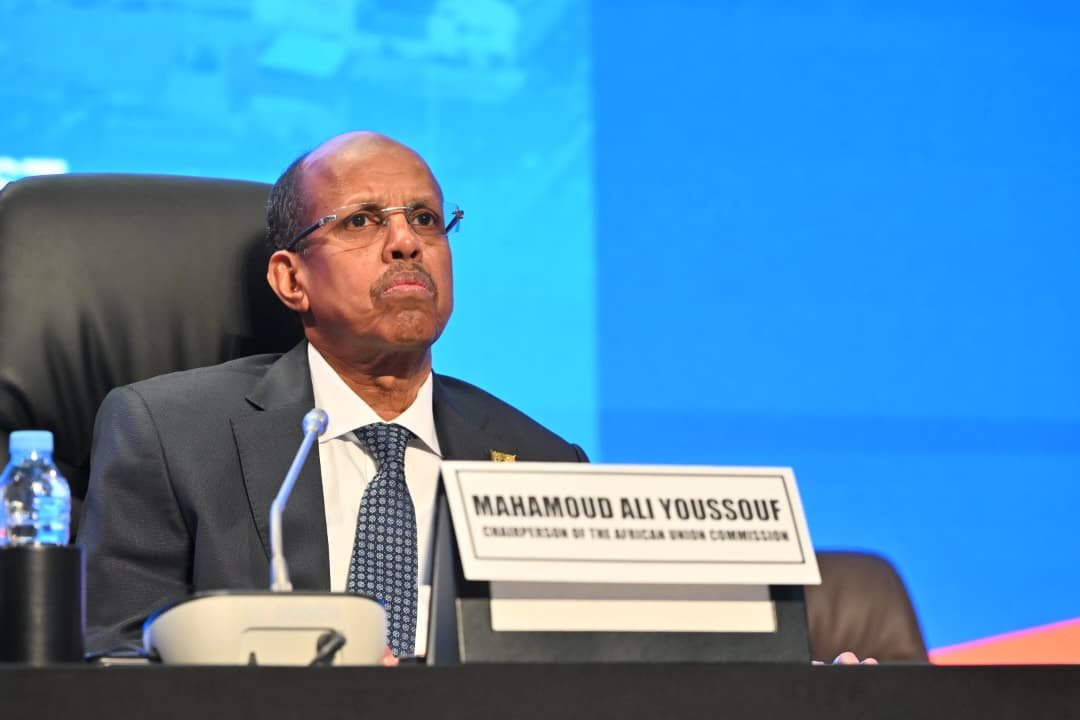
Africa’s already fragile post-pandemic recovery faces a fresh external shock as the ongoing Middle East conflict risks shaving growth, stoking inflation, and worsening food insecurity across the continent, according to a new joint policy brief by the African Development Bank Group (AfDB), African Union, United Nations Development Programme, and United Nations Economic Commission for Africa.
The report projects that Africa’s GDP growth could decline by at least 0.2 percentage points in 2026 if the conflict persists beyond six months, deepening a growth slowdown that has left most economies below their pre-COVID trajectory. The primary threat stems from an escalating trade and cost shock that risks triggering a continent-wide cost-of-living crisis.
The Middle East accounts for 15.8 per cent of Africa’s imports and 10.9 per cent of exports, underscoring the region’s strategic importance. Disruptions, particularly through chokepoints such as the Strait of Hormuz, are already reverberating through global oil and shipping markets.
Oil prices have risen by as much as 50 per cent, amplifying inflationary pressures across fuel-importing African economies. Rising freight and insurance costs, coupled with exchange rate depreciation in at least 29 countries, are increasing the local-currency burden of imports and external debt servicing.
Countries with weak reserves and high import dependence, such as Senegal, Sudan, Cabo Verde, South Sudan, and The Gambia, are especially exposed to what the report describes as a “fiscal squeeze,” where governments face tightening budgets alongside rising social demands.
Beyond energy, the brief highlights fertiliser supply as a potentially more severe transmission channel.
Disruptions to Gulf liquefied natural gas (LNG) supply (critical for ammonia and urea production, threaten to raise fertiliser prices and constrain availability during the March-to-May planting season. The result could be reduced agricultural output, higher food prices, and worsening food insecurity, particularly among vulnerable populations.
This dynamic, analysts warn, could amplify existing structural vulnerabilities in Africa’s food systems, making the economic shock both immediate and prolonged.
Despite the broad-based risks, the report identifies pockets of opportunity.
Nigeria is poised to benefit from higher oil prices and expanded exports from the Dangote Refinery, while Mozambique could see renewed momentum in LNG development. Southern African ports, including Durban, Walvis Bay, and Mauritius, are experiencing increased maritime traffic as shipping routes divert around the Cape of Good Hope.
In East Africa, Kenya is strengthening its position as a logistics hub via Lamu Port and Nairobi, while Ethiopia is leveraging Ethiopian Airlines as a critical air bridge linking Asia, Africa, and Europe.
However, the report cautions that these gains are likely to be uneven and insufficient to offset the broader inflationary and fiscal pressures facing the continent.
The conflict is also expected to reshape geopolitical dynamics in Africa, with major global powers including the United States, China, Russia, Gulf states, Iran, and Türkiye, competing for influence across strategic sectors such as ports, minerals, and Red Sea security.
Fragile states like Sudan, Somalia, and Libya may see intensified external involvement, while humanitarian operations in the Horn of Africa face rising costs and logistical constraints.
Additionally, shifting donor priorities toward military spending closer to the conflict zone could further strain already limited development financing for African countries.
The joint brief outlines a three-tiered policy response framework: immediate shock absorption, medium-term resilience building, and long-term structural transformation.
In the short term, African governments are urged to deploy targeted social protection, secure emergency import financing for fuel and food, and coordinate monetary and fiscal responses to contain inflation and currency volatility.
Medium-term priorities include strengthening energy security through expanded refining capacity and renewable deployment, accelerating implementation of the African Continental Free Trade Area (AfCFTA), and deepening domestic capital markets.
Over the long term, the report calls for a Continental Crisis and Resilience Compact led by the AU, aimed at achieving energy and food security, enhancing financial safety nets, and reducing dependence on external shocks.
It also advocates for reforms to Africa’s financial architecture, including reserve pooling mechanisms, diaspora bonds, and innovative financing instruments to mobilise domestic and international capital at scale.