US soldier under the special forces operative has been arrested and charged with insider trading after allegedly using classified information to place bets on a covert military operation targeting Venezuelan leader Nicolás Maduro, in a case raising fresh concerns over the intersection of national security and the fast-growing prediction markets industry.
According to an indictment unsealed Thursday, Master Sgt. Gannon Ken Van Dyke placed a series of wagers on Polymarket, betting that Maduro would be removed from power by January, a long-shot outcome at the time. Prosecutors allege that the said US soldier had prior knowledge of the classified mission, known as Operation Absolute Resolve, and used that information to inform his trades.
ALSO: Bitcoin rallies toward $78,000 as US-Iran ceasefire boosts risk appetite
Van Dyke, an active-duty soldier stationed at Fort Bragg, allegedly placed 13 bets between December 27 and January 2, staking roughly $32,000 and ultimately generating more than $400,000 in profits. Authorities said he transferred the proceeds to a foreign cryptocurrency vault before moving the funds into an online brokerage account in an attempt to obscure their origin.
U.S. prosecutors have filed five criminal charges against him, including theft and misuse of confidential government information, fraud and related offences. The Commodity Futures Trading Commission has also launched a parallel civil action seeking restitution and financial penalties.
“Those entrusted to safeguard our nation’s secrets have a duty to protect them … and not to use that information for personal financial gain,” said Jay Clayton, U.S. attorney for the Southern District of New York.
The case underscores growing regulatory scrutiny of prediction markets, a rapidly expanding segment where users wager on real-world events ranging from elections to geopolitical developments. Industry activity has surged over the past year, with billions of dollars traded weekly across platforms.
Polymarket said it identified suspicious trading linked to classified information and referred the case to the Department of Justice, adding that insider trading has “no place” on its platform.
The controversy comes amid a policy debate in Washington over how to regulate prediction markets, particularly those operating offshore and offering contracts tied to sensitive geopolitical or military outcomes. Lawmakers have introduced multiple bills aimed at tightening oversight and increasing penalties for insider activity involving government officials.
U.S. President Donald Trump weighed in on the trend, warning about the growing normalisation of betting on global events. “The whole world, unfortunately, has become somewhat of a casino,” he said, expressing concern over wagers linked to geopolitical conflicts.
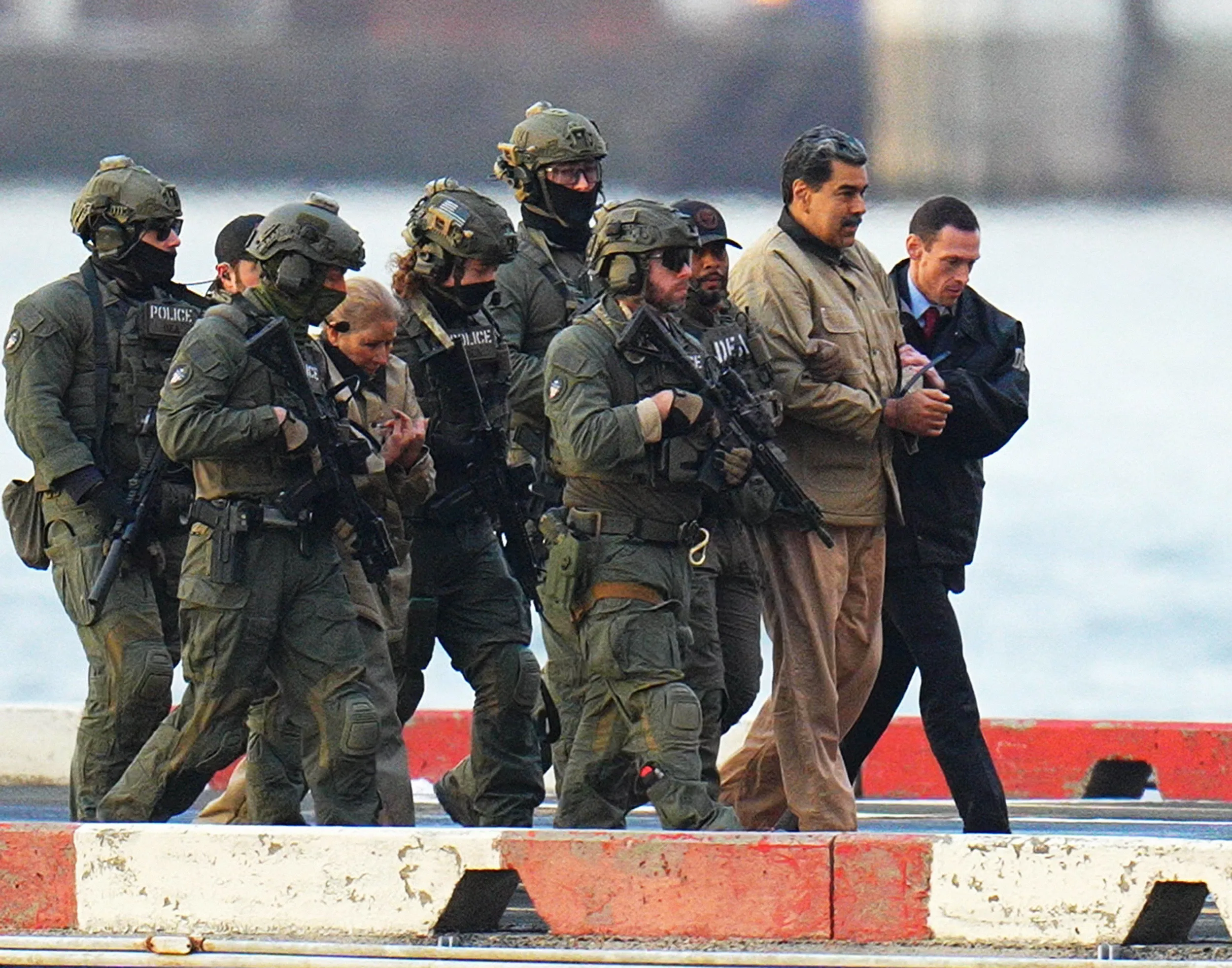
The Maduro operation itself, an overnight extraction from Caracas under heavy fire, marked a significant escalation in U.S. enforcement actions tied to drug-trafficking charges against the Venezuelan leader, who has pleaded not guilty.
Beyond the legal implications for Van Dyke, the case is intensifying debate within financial and regulatory circles over whether prediction markets enhance information efficiency or create perverse incentives for insiders to monetise privileged knowledge.