
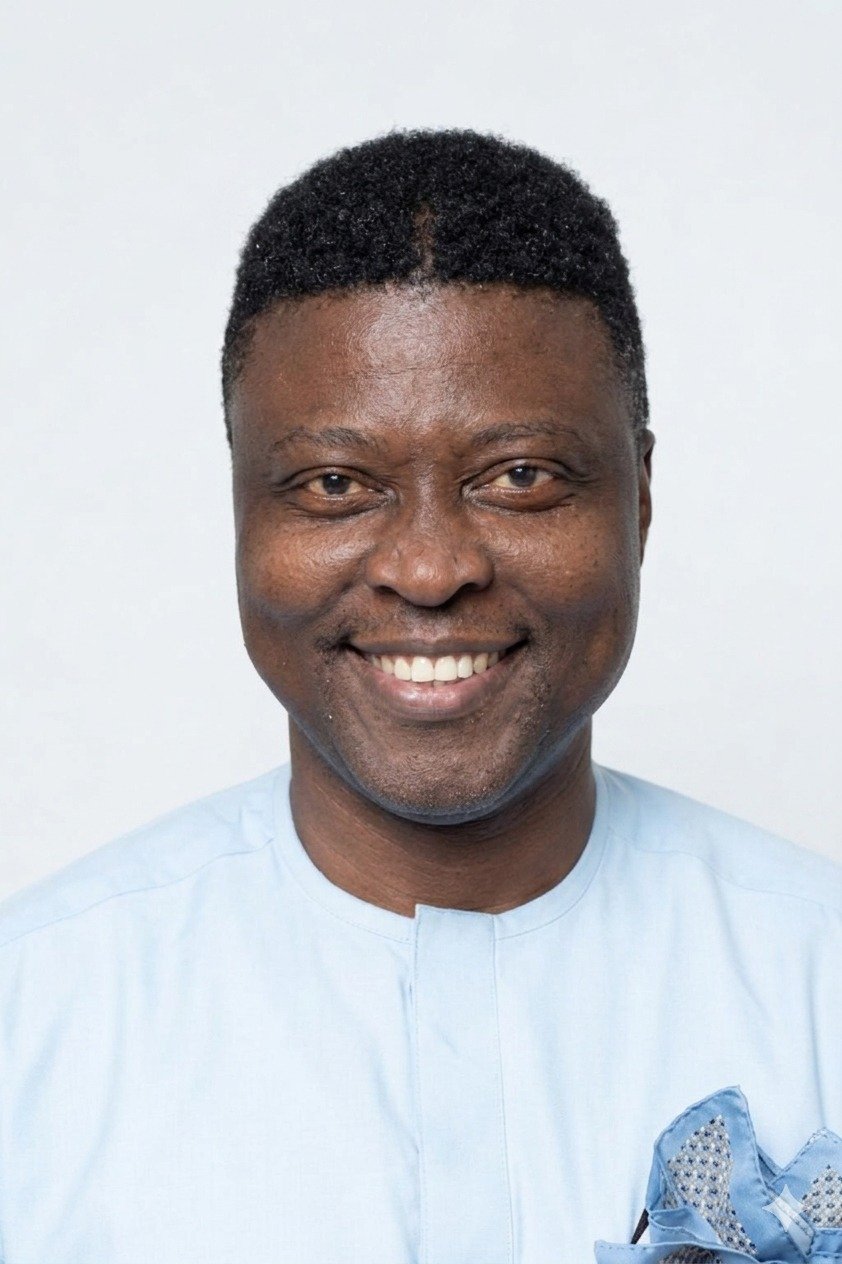
Africa’s entrepreneurial challenge is no longer only about access to capital — it is increasingly about sustaining the psychological wellbeing of the humans carrying economic transformation on their shoulders — Dr Joshua Awesome
Last week, I sat in a room full of coaches, practitioners, and thought leaders at the Coaching in Africa Symposium 2026. We held space. We reflected. We broke into sessions that felt less like conference programming and more like collective exhaling — as though many of us had been holding our breath for a very long time.
And in many ways, Africa’s entrepreneurs have been.
Here is a number that stopped me in my tracks: an estimated 34,000 people across Africa die by suicide every year — and researchers acknowledge this figure is almost certainly an undercount, given how heavily stigma, religious taboos, and poor mortality tracking systems obscure the real picture. Within that number, entrepreneurs — startup founders, small business owners, the men and women quietly carrying economic transformation on their shoulders — represent a population under extraordinary and largely invisible psychological pressure.
This is not a story we tell often enough. Africa’s entrepreneurial narrative is overwhelmingly one of resilience, hustle, and triumph against the odds. That story is true. But it is dangerously incomplete.
The data we cannot ignore
A recent founder wellbeing survey found that 86% of African startup founders reported that entrepreneurship had negatively affected their wellbeing. Let that sink in — not a marginal minority, but an overwhelming majority. Dig deeper and the picture becomes more sobering: approximately 60% reported experiencing anxiety, 58% chronic high stress, 52% burnout or exhaustion, and 20% depression.
These are not abstract statistics. They are the founder who hasn’t slept properly in four months. The CEO who smiles through investor pitches while privately wondering whether the company will survive the next quarter. The entrepreneur in Lagos, Nairobi, Johannesburg, or Accra who has built something remarkable — and is quietly unravelling in the process.
What makes the African entrepreneurial context particularly acute is the convergence of pressures that founders elsewhere simply do not face at the same intensity: currency volatility, unstable economic conditions, weak social safety nets, inflation, and an ecosystem culture that rewards hyper-independence and emotional suppression. Add to this the social expectation to appear perpetually strong — before investors, before employees, before family — and you have what organisational psychologists describe as “high-functioning distress”: where outward performance masks deep internal psychological exhaustion.
The ecosystem, in other words, is celebrating resilience while simultaneously starving founders of the emotional infrastructure they need to sustain it. That is not resilience. That is a slow, invisible emergency.
An economic issue, not just wellness conversation
We must be clear-eyed about what is at stake. Chronic founder stress does not stay contained to the individual — research consistently shows it erodes decision-making quality, suppresses innovation, damages relationships, and ultimately threatens venture survival. When we lose founders to burnout, breakdown, or worse, we are not just losing individuals. We are losing jobs, losing economic momentum, and losing the very human capital that Africa’s growth story depends upon.
Africa’s entrepreneurial challenge is no longer only about access to capital. It is increasingly about sustaining the psychological wellbeing of the humans building the future.
4 Things we must do — Now!
- Break the silence publicly and persistently.
The stigma around mental health — especially among high-achieving founders — is a structural barrier. Ecosystem leaders, investors, accelerators, and media (including columns like this one) must normalise the conversation. Psychological distress is not weakness. It is a predictable human response to extraordinary pressure, and it deserves the same strategic attention as a funding gap.
- Build psychologically safe entrepreneurial ecosystems.
Incubators, accelerators, and investor networks must move beyond business model validation and integrate psychological safety into their programming. This means creating environments where founders can surface struggles without fear of losing credibility or capital. Peer support structures, founder circles, and trauma-informed mentorship are not luxuries — they are infrastructure.
- Invest in evidence-based founder support Governments, development finance institutions, and corporate partners must fund wellbeing interventions grounded in behavioural science — not wellness theatre. We need coaching psychology embedded within entrepreneurship programmes: structured, professional, and longitudinal. The return on investment is measurable: psychologically well founders make better decisions, lead stronger teams, and build more sustainable ventures.
- Founders: make your own psychological health non-negotiable.
This call to action belongs to you. Not as a self-care platitude, but as a strategic leadership responsibility. Your psychological state is your venture’s most underrated asset. Seek professional support — whether through a coaching psychologist, peer network, or structured reflection practice. The bravest thing you can do for your business is to tend to the person running it.
At the Coaching in Africa Symposium 2026, I was reminded that the most powerful interventions often begin not with a policy document, but with a room of people willing to be honest with one another. That willingness — multiplied across the continent’s entrepreneurial ecosystem — is where the real transformation begins.
Africa does not need its founders to be unbreakable. It needs them to be supported.
- business a.m. commits to publishing a diversity of views, opinions and comments. It, therefore, welcomes your reaction to this and any of our articles via email: comment@businessamlive.com

Dr. Joshua Awesome is a Coaching Psychologist/Executive and Business Performance Coach who has supported over 100,000 professionals across Africa and the globe. He can be reached via: joshua@africainmind.org







Turning energy investment into lasting economic value in Africa