Strong household purchasing power and public safety, not limited travel options, are emerging as the key drivers of thriving domestic tourism markets, according to a new international study that examined travel behaviour across 37 countries.
The report, released by cruise operator Sail Croatia, found that residents of wealthier and safer economies are more likely to vacation within their own borders, generating substantial economic activity for local tourism industries and regional businesses.
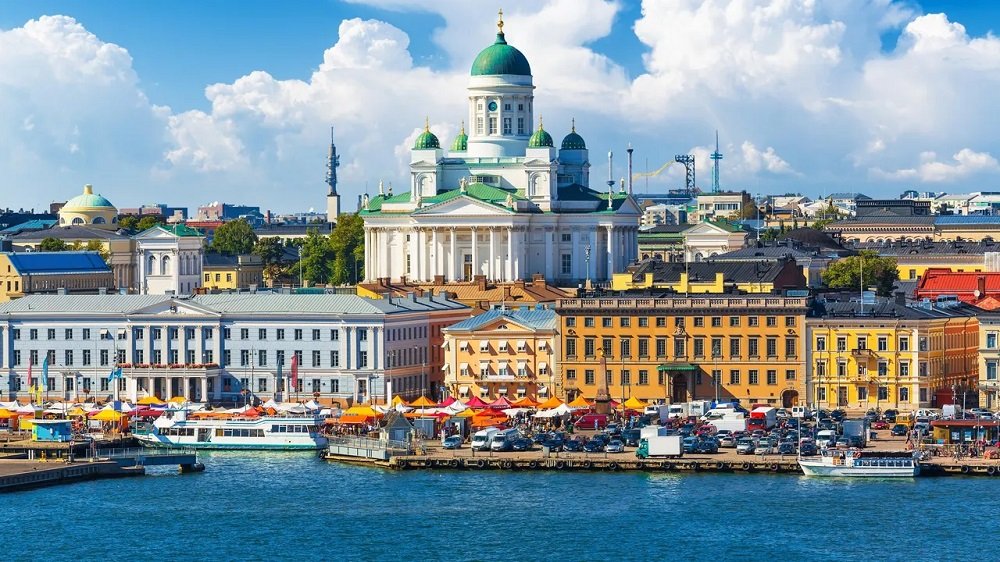
Finland emerged as the world’s leading domestic travel market, with residents taking an average of 4.6 trips within the country annually. Norway and Australia followed closely, with residents making more than four domestic journeys each year.
The findings challenge the long-held assumption that domestic tourism is primarily a substitute for international travel among lower-income consumers. Instead, the study suggests that robust domestic travel ecosystems are often found in countries where households possess substantial disposable income and feel secure travelling across different regions.
“You might assume domestic travel is what people do when they cannot afford to go abroad. The data suggests the opposite. Residents who travel the most inside their own borders are not the ones with the lowest incomes. They are often the ones who could easily fly anywhere but choose not to,” a Sail Croatia travel specialist said.
The research assessed domestic travel trends using four indicators comprising annual domestic trips per resident, disposable income levels, travel spending as a proportion of disposable income, safety conditions, and the availability of tourist attractions.
Finland’s top ranking was supported by a combination of strong consumer spending power, high safety standards and affordable travel costs. Residents retain an average monthly disposable income of $3,423 after essential expenses, while domestic travel accounts for just over six percent of available income.
Norway ranked second, supported by the highest disposable income among the top-performing countries at $7,112 monthly. Domestic travel consumes less than two percent of available income, making regional exploration highly accessible for Norwegian consumers.
Australia secured third position, benefiting from a large and diverse tourism landscape that includes more than 4,400 attractions. With average disposable income exceeding $4,200 per month and travel expenses accounting for less than five percent of household budgets, Australians continue to travel extensively within the country despite its vast geography.
New Zealand and Denmark completed the top five rankings, with both countries combining high safety standards and strong consumer purchasing power to sustain vibrant domestic tourism activity.
The study highlights the growing economic significance of domestic tourism as governments seek more resilient sources of tourism revenue amid global economic uncertainty and fluctuating international travel demand.
The results also underscore the close relationship between economic prosperity and tourism consumption. Countries with higher disposable incomes consistently recorded stronger domestic travel activity, while nations with lower incomes and weaker safety conditions reported significantly fewer trips.
At the opposite end of the ranking, Egypt and India recorded less than one domestic trip per resident annually. Researchers attributed the weaker performance to a combination of lower disposable income levels and safety concerns that limit travel frequency.
Spain, Canada, Japan, South Korea and Chile also featured among the top 10 domestic tourism markets, showcasing that strong local travel demand can be sustained across diverse economic and geographic environments when affordability, security and tourism infrastructure align.