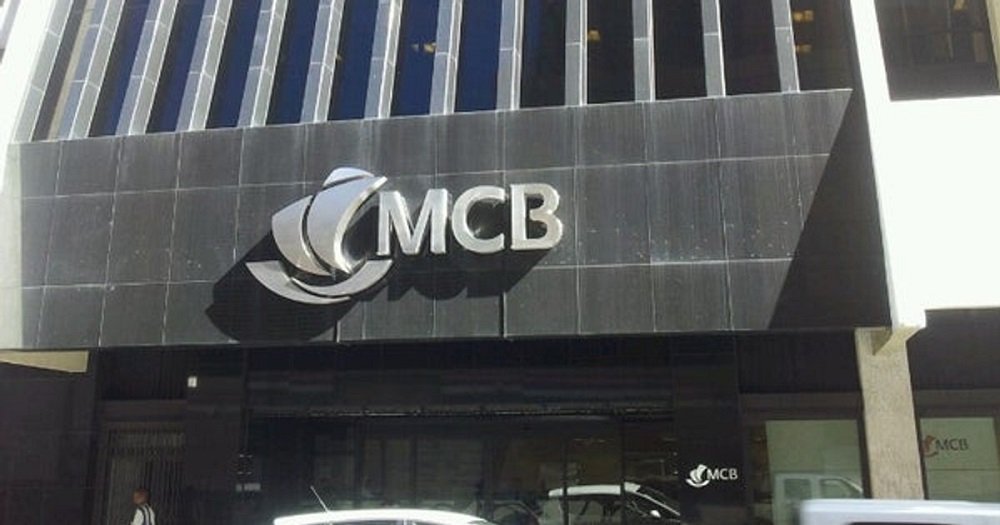
Nigeria and other African countries are to benefit from a $1 billion trade finance support scheme by Mauritius’ major bank, MCB over the next four years, according to a statement by the financial institution.
Mauritius, Africa’s second-richest country by wealth per capita is rolling out a $1 billion trade-finance facility to support businesses across the continent over the next four years, as African companies continue to face limited access to funding, foreign-currency liquidity and risk-cover instruments.
The facility will provide both funded and unfunded trade finance products to support economic transformation and intra-African trade, in line with the African Continental Free Trade Area (AfCFTA) goals.
Since the implementation of the AfCFTA, alongside targeted regional initiatives, intra-regional trade has moved from under-five percent to current 18 percent, with the total value of the intra-African trade on track to reach $230 billion, with some projections estimating it could hit $250 billion during the year, according to the African Trade and Economic Outlook 2026 report published by the African Export-Import Bank (Afreximbank).
The Mauritius Commercial Bank (MCB) says it pledged $1 billion over four years to support trade finance across Africa, which will address limited access to finance and foreign-currency liquidity by most African firms.
As of December 2025, MCB operated banking subsidiaries in Seychelles, Madagascar, Réunion and the Maldives. It also maintained representative offices in Nigeria, Kenya, South Africa, the United Arab Emirates and France, giving it a presence across several key trade corridors.
The initiative also reinforces Mauritius’ position as one of Africa’s leading financial centres.
Thierry Hebraud, chief executive officer of MCB Ltd, said intra-African trade remains a major growth driver for African economies.
He added that the financing package reflects the banking group’s commitment to supporting African companies’ funding needs while contributing to wider economic integration.
Mauritius is consolidating its role as a major African financial hub, diversifying its economy and attracting global investors through innovative policies and programmes like the Golden Visa.
Africa continues to have a significant trade-finance gap, with unmet demand estimated at $74-92 billion in 2024, largely due to foreign-currency shortages.
Finance experts adduce that the MCB $1 billion trade finance support across Africa, will strengthen the island nation’s position as one of the continent’s most influential financial centres.
The package will include funded facilities and non-funded trade-finance tools such as letters of credit, confirmed letters of credit, avalised bills of exchange and guarantees.
MCB said the initiative will support economic transformation by giving businesses tailored trade-finance solutions and more competitive access to capital.
It will also help strengthen regional value chains and intra-African trade, in line with the objectives of the African Continental Free Trade Area.
To date, Africa’s trade-finance gap remains wide. The announcement comes as the continent, with an estimated $3 trillion GDP, continues to face a large trade-finance gap despite rising demand for cross-border commerce.
The African Development Bank’s latest trade-finance report estimated unmet demand at between $74 billion and $92 billion as of 2024. At the lower end, the shortfall represented 5.4 percent of the continent’s total merchandise trade.
AfDB however, said intra-African trade is taking up a larger share of bank-financed trade. According to the African Development Bank, it accounted for 34% of all trade financed by banks between 2020 and 2024, an 89% increase from the 2011-2019 period.
The report also showed that commercial banks financed an average of 23 percent of the continent’s total trade between 2020 and 2024, down from 40 percent during the 2011-2019 period.
Meanwhile, foreign currency shortages remain a major constraint, with 36 percent of banks on the continent identifying limited access to foreign currency funding as a key barrier to expanding trade finance.
The MCB announcement follows the bank’s recent Letter of Intent with Proparco and African partner banks under the Africa AgriTrade Coalition, which aims to expand trade finance for agricultural value chains across the continent.
The island nation has built a strong role in African finance through political stability, regulation, cross-border financial services and its ability to connect capital with regional and international markets.
Its model is often compared with small European financial centres such as Luxembourg and Malta.
Mauritius is ranked as Africa’s second-richest country in the HelloSafe Prosperity Index in 2026, behind Seychelles, based on indicators such as GDP at purchasing power parity (PPP), gross national income (GNI), human development (HDI), income distribution and poverty levels.
Separately, the country was also recently ranked among Africa’s top three most prosperous nations by the Atlantic Council’s 2026 Prosperity Index, behind Seychelles and Cape Verde, with the ranking reflecting economic opportunity, social outcomes, environmental sustainability and inclusion.
Both rankings underline Mauritius’ shift from a sugar-dependent economy into a diversified hub for finance, tourism, manufacturing and technology.
In May, the government launched a $1 million Golden Visa programme to attract high-net-worth individuals into sectors such as fintech, artificial intelligence, biotechnology, renewable energy and global treasury services.
MCB’s $1 billion commitment builds on that wider strategy. It strengthens Mauritius’ role as a financial hub and gives African businesses more access to trade finance at a time when funding remains a major challenge.