
Across this series, one argument has remained consistent: Nigeria’s electricity sector is not only a challenge — it is one of Africa’s most significant untapped commercial opportunities. That opportunity is real, but so are the risks.
Serious investors and policymakers understand that infrastructure success is rarely determined by opportunity alone. It is determined by how risks are identified early, allocated properly, and managed intelligently. The winners in this market will not be the boldest entrants, but the best prepared.
1. Regulatory risk: The need for predictability
Electricity projects require confidence in rules that outlast political cycles. Developers frequently face delayed approvals, inconsistent tariff decisions, and sudden policy reversals. Capital can price many risks, but it struggles to price confusion; even a two percent increase in financing costs due to uncertainty materially raises consumer tariffs over time.
- Independent state regulators (SERCs): States must insulate State Electricity Regulatory Commissions from political interference by ensuring commissioners serve fixed, protected terms.
- Enforceable vesting contracts: Frame agreements around legally binding concession contracts that explicitly outline tariff-setting methodologies, international arbitration options, and change-of-law protections.
- Grandfathering clauses: Legally protect projects that reach financial close from retroactive policy changes, guaranteeing stable rules for the life of the investment.
Capital doesn’t need a guarantee of success; it needs a guarantee that the rules won’t change mid-game.
2. Contract agreement enforcement risk: Legal instability
In a frontier market, the danger is that political transitions, shifting regulatory regimes, or weak local judicial frameworks leave critical power contracts —such as Power Purchase Agreements (PPAs)— unenforced, unilaterally renegotiated, or retroactively altered.
- International arbitration venues: Mandate neutral, internationally recognised arbitration venues (such as London or Paris) within the contract to bypass local court backlogs and guarantee unbiased dispute resolution.
- Change-of-law protections: Insert strict clauses that financially compensate or insulate the developer if new legislation or amendments negatively impact the project’s economic equilibrium.
- Credit enhancements: Back government or off-taker performance obligations with robust financial backstops, such as sovereign guarantees or multilateral risk insurance.
3. Currency risk: The “Silent Project Killer”
Many infrastructure projects fail due to a currency mismatch—earning revenue in Naira while debt obligations sit in Dollars. A project can be operationally perfect yet financially distressed due to exchange-rate volatility.
- Naira financing: Prioritise local currency financing where possible to eliminate foreign exchange exposure.
- Domestic sourcing: Increase local sourcing to reduce import dependency and minimise foreign exchange demand.
4. Payment risk: Revenue is everything
Generation capacity means little if invoices are not paid. In 2025, the Nigerian Bulk Electricity Trader (NBET) billed Distribution Companies (Discos) approximately ₦3.0 trillion for energy, yet only ₦1.3 trillion was remitted—a dismal 45% collection efficiency.
- Smart metering: Deploy smart, prepaid metering infrastructure to ensure upfront collections and eliminate consumer payment defaults.
- Escrow structures: Utilise escrow-backed payment accounts to ring-fence collections and secure revenue streams prior to distribution.
- Anchor customers: Target creditworthy commercial and industrial clusters to guarantee high and predictable collection rates.
5. Execution and demand risk
Infrastructure rewards discipline more than optimism. A 12-month project that slips to 24 months faces crippling cost overruns and higher interest expenses during construction. Furthermore, visible need does not always equal bankable demand; customers may need power but resist tariffs that exceed their economic threshold.
- Experienced contractors: Use proven Engineering, Procurement, and Construction (EPC) contractors backed by rigid, milestone-based contracts.
- Market studies: Rely on comprehensive, independent willingness-to-pay analyses rather than assuming a market exists based on a broad supply gap.
6. Gas supply risk: Fuel insecurity
For thermal power plants, brilliant project design means nothing if there is no gas to fire the turbines. Supply is frequently disrupted by pipeline vandalism, non-payment disputes, aging infrastructure, and localised pricing disagreements.
- Take-or-Pay GSAs: Secure strict, legally binding Gas Supply Agreements backed by credit enhancements like Standby Letters of Credit.
- Dual-fuel capabilities: Design plants to switch smoothly to alternative fuels (like LPG, LNG, or diesel) during sudden pipeline disruptions.
- Strategic location: Situate generation plants close to major gas processing facilities or directly at the wellhead (embedded generation) to bypass long-distance pipeline vulnerabilities.
7. Power Evacuation Risk: Grid Bottlenecks
A developer can build a flawless plant with secured fuel, but if the transmission or distribution grid is weak or collapses, power cannot be delivered. This results in forced shutdowns and stranded capacity.
- Deemed Generation clauses: Include “Take-or-Pay” or “Deemed Generation” provisions in PPAs, forcing the off-taker or grid operator to pay for power that could have been generated.
- Direct routing: Bypass the national transmission grid entirely using localised, embedded generation models that plug directly into dedicated distribution networks.
- Grid co-investment: Partner with local Discos or state governments to co-fund sub-transmission and substation upgrades, ensuring local network capacity.
8. Aging distribution assets: Infrastructural decay
In Nigeria, localised distribution networks are plagued by dilapidated transformers, undersized lines, and obsolete substations. This decay introduces high technical losses and prolonged unscheduled outages that suppress developer revenue.
- Sub-franchising: Negotiate distribution sub-franchising agreements to legally isolate and take operational control of specific geographic or industrial distribution clusters.
- Targeted capex offsets: Enter tripartite agreements with states and Discos to fund targeted equipment upgrades, recovering costs through tariff adjustments or offsets against future wheeling charges.
- Real-time monitoring: Deploy SCADA systems and smart grid technologies to flag abnormal thermal loads, allowing for predictive maintenance before catastrophic transformer blowouts occur.
9. Political, community, and security risk
Projects with 10-year economics must survive 4-year election cycles. Furthermore, power assets exist physically within communities. Early stakeholder engagement and local hiring programmes ensure that host communities have a direct stake in protecting assets from vandalism or disputes.
A strategy for winners
- For Governors: De-risking is more valuable than direct spending. Providing secure land access, streamlined approvals, and demand mapping lowers financing costs, making electricity cheaper without the state spending a kobo on building plants.
- For Investors: Nigeria is not a zero-risk market, but it is a knowable one. Successful players will target bankable demand zones, partner with credible local operators, and focus on execution quality over headlines.
Conclusion: From chaos to competence
The Nigerian electricity sector does not require blind optimism. It requires competence — in policy, finance, and execution. Those who bring that competence will solve one of Nigeria’s greatest constraints and be rewarded in the process. In frontier markets, returns reward courage; in infrastructure, they reward preparation.
**This brings the series to an end
- business a.m. commits to publishing a diversity of views, opinions and comments. It, therefore, welcomes your reaction to this and any of our articles via email: comment@businessamlive.com
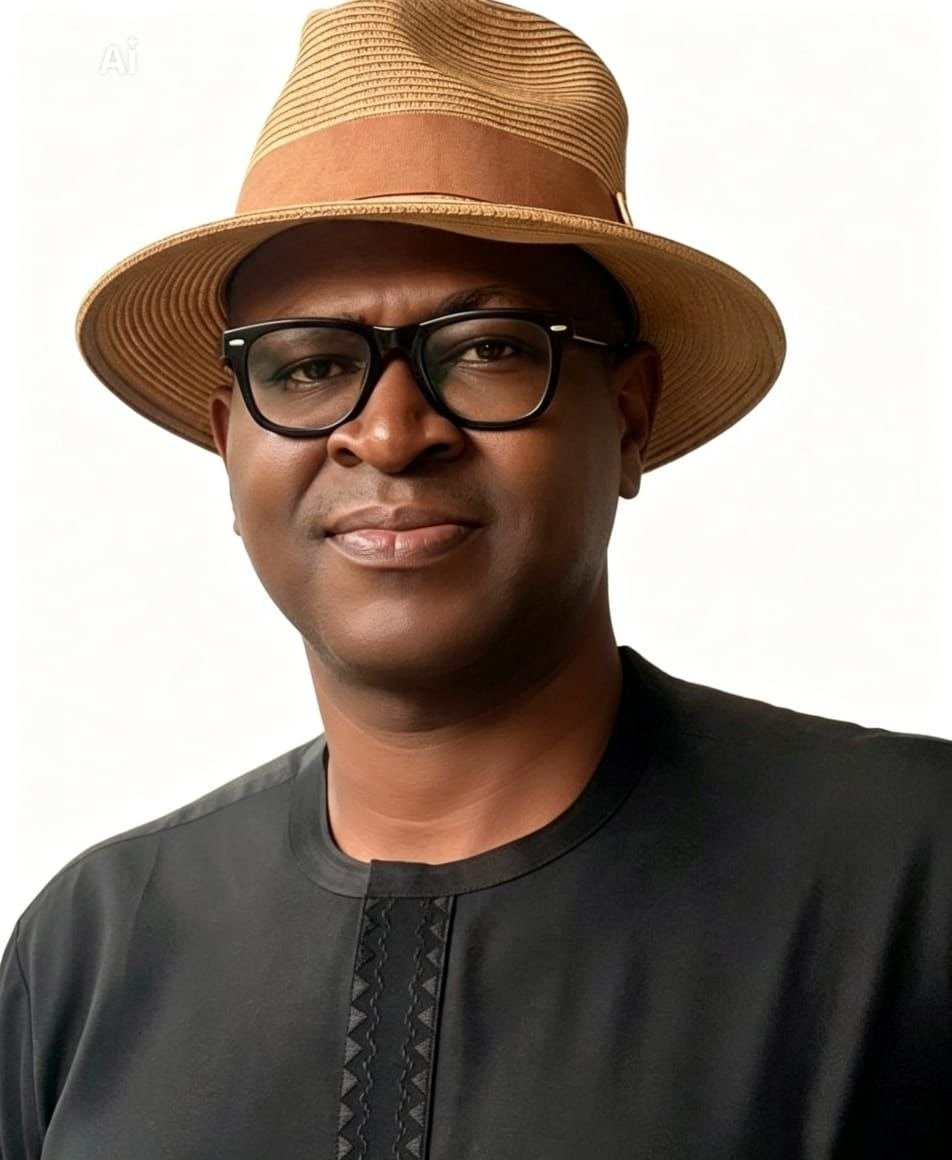
Masah Emmanuel Ikus is a Power and Energy Infrastructure Strategist and the Principal Consulting Partner at EMI Resources Limited. A University of Lagos-trained Electrical Engineer with an EMBA from Lagos Business School, he possesses over 27 years of experience managing complex infrastructure projects across the ICT, Oil & Gas, and Power sectors, specialising in the design of decentralised power systems and solar integration. He currently advises investors, project sponsors, and public institutions on leveraging Nigeria’s energy deficit into bankable commercial opportunities. He can be contacted via masahikus@gmail.com





Oni at 66: Investor protection begins with a knowledgeable financial press