An introduction to the series
Nigeria is entering the most significant electricity sector transformation since the power sector reforms of 2005.
For decades, electricity generation, transmission, distribution, and regulation operated largely within a centralised national framework. While that system achieved some successes, it also exposed deep structural weaknesses that continue to constrain economic growth, industrialisation, and national competitiveness.
Today, the Electricity Act 2023 has fundamentally altered the landscape.
For the first time, states now possess the legal authority to establish and regulate their own electricity markets, issue licenses, attract private investment, develop local infrastructure, and design solutions tailored to their unique economic realities.
This transition represents more than a policy reform. It is a once-in-a-generation opportunity for states to attract industries, create jobs and unlock investment.
In summary, it is an opportunity for states to transform electricity from a constraint on growth into a catalyst for development. Yet it is also a moment that demands caution. Because, while states are building new electricity markets, they are doing so within a sector that has accumulated decades of valuable lessons—many of them learned through costly failures.
Across Nigeria, billions of dollars have been invested in power plants, transmission projects, distribution networks, metering programmes, and sector reforms. Yet, despite these efforts, reliable electricity remains elusive for millions of households and businesses.
The question is therefore not whether investments have been made. The question is why so many projects have failed to deliver their intended outcomes.
- Why do technically sound projects struggle financially?
- Why do power plants operate below capacity?
- Why do investors remain cautious despite enormous market demand?
- Why do infrastructure investments often fail to translate into reliable electricity services?
- And perhaps most importantly: What can states do differently?
This series seeks to answer those questions. Rather than focusing solely on the challenges of Nigeria’s electricity sector, it examines the underlying reasons why on-grid power projects succeed or fail. More importantly, it translates those lessons into practical insights for state governments now responsible for building the next generation of electricity markets.
Over the coming weeks, we will explore the critical factors that have shaped project outcomes across the sector, including:
- Distribution bottlenecks and weak networks.
- Revenue collection and metering challenges.
- Financing mismatches and capital constraints.
- Regulatory uncertainty and political risk.
- Poor demand planning and stranded assets.
- Governance and project execution failures.
- Fuel supply risks and infrastructure dependencies.
Each article will examine not only why projects fail, but also how states can avoid repeating those mistakes.
The objective is not to criticize the past. The objective is to learn from it.
Because the future of Nigeria’s electricity sector may no longer be determined by a single national grid. Increasingly, it may be shaped by multiple state-led markets competing to attract capital, industries, and economic growth.
The states that understand the lessons of the past will be best positioned to capture the opportunities of the future.
Because in every successful electricity market, one principle remains constant:
Reliable electricity is not created by infrastructure alone. It is created when engineering, finance, regulation, governance, and demand work together as a single system.
Welcome to: Developing State Electricity Markets: Lessons from The National Grid
- business a.m. commits to publishing a diversity of views, opinions and comments. It, therefore, welcomes your reaction to this and any of our articles via email: comment@businessamlive.com
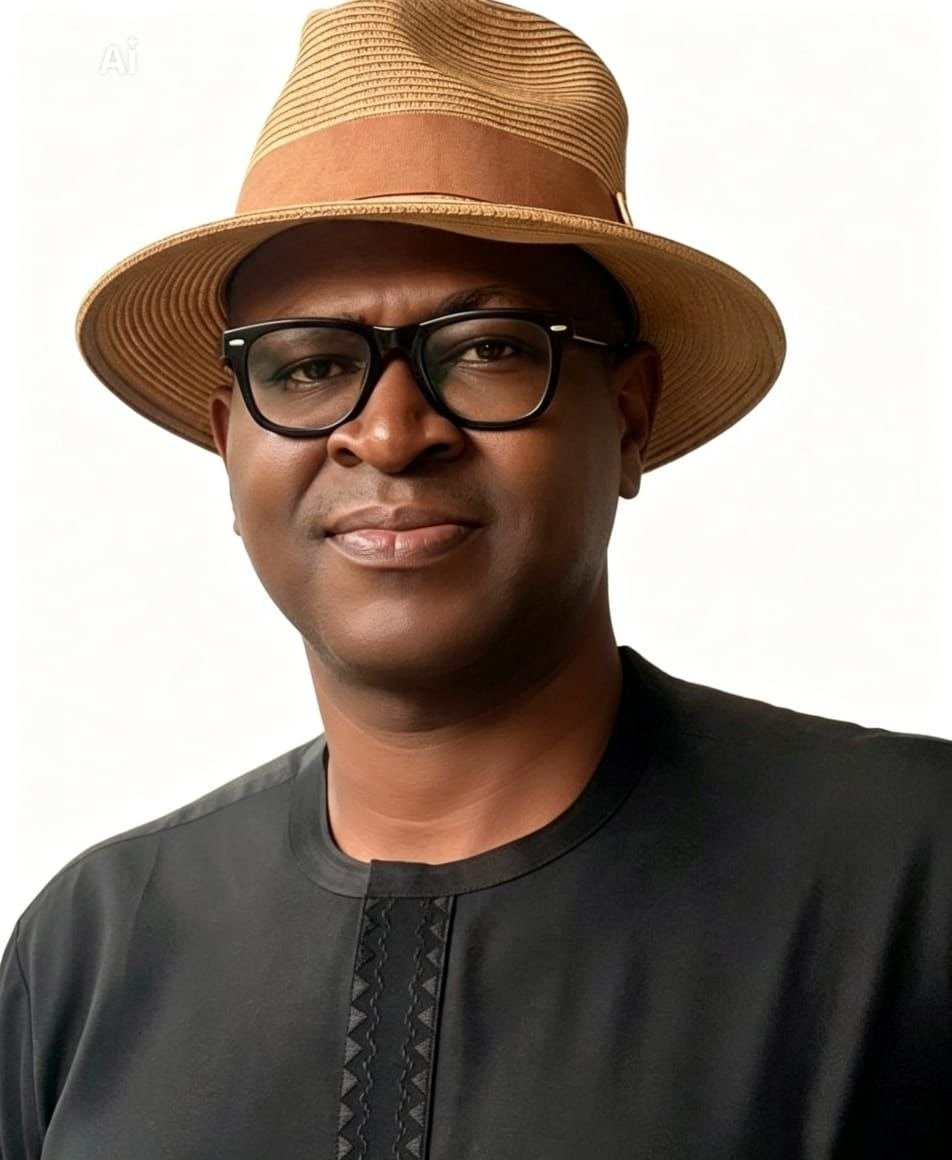
Masah Emmanuel Ikus is a Power and Energy Infrastructure Strategist and the Principal Consulting Partner at EMI Resources Limited. A University of Lagos-trained Electrical Engineer with an EMBA from Lagos Business School, he possesses over 27 years of experience managing complex infrastructure projects across the ICT, Oil & Gas, and Power sectors, specialising in the design of decentralised power systems and solar integration. He currently advises investors, project sponsors, and public institutions on leveraging Nigeria’s energy deficit into bankable commercial opportunities. He can be contacted via masahikus@gmail.com