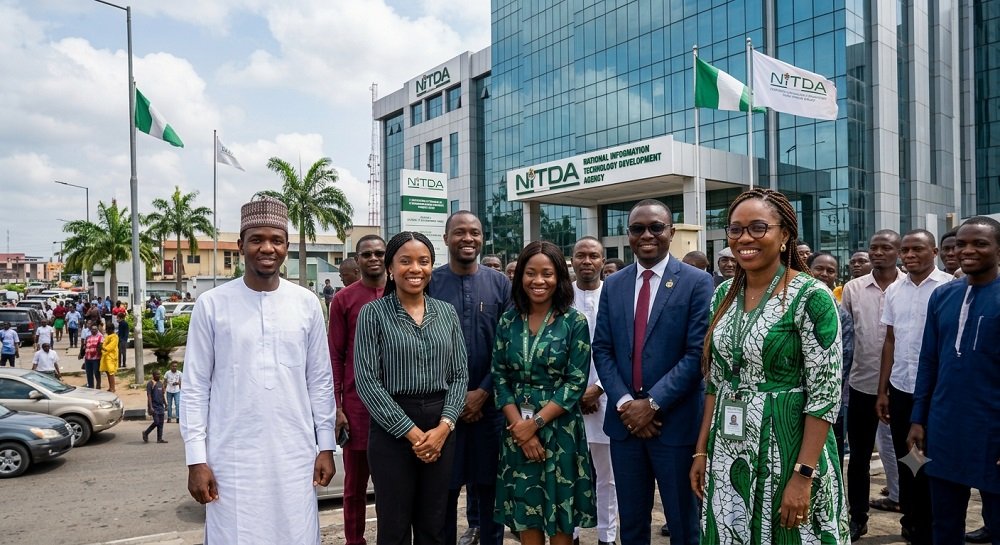
Nigeria has broken into the global top 40 countries ranked for responsible artificial intelligence (AI) governance, emerging as Africa’s highest-performing nation in the second edition of the Global Index on Responsible AI (GIRAI).
The country ranked 38th globally with a score of 45.93, placing ahead of other leading African economies, including Egypt and Kenya, as governments worldwide race to establish policies and safeguards that can keep pace with the rapid development and adoption of AI technologies.
The ranking places Nigeria among countries making notable progress in balancing AI innovation with measures designed to promote inclusion, safety, accountability and ethical use of the technology.
Published by the Global Center on AI Governance, the GIRAI assessed 138 countries across five key pillars: Inclusion and Diversity, Ethics and Sustainability, Labour and Skills, Trust and Safety, and AI in Public Service.
Beyond its overall ranking, Nigeria was recognised as a global “Bright Spot” for its approach to preparing citizens for an AI-driven future while strengthening protections against potential risks associated with emerging technologies.
According to the report, Nigeria’s progress reflects a strategy that combines AI capacity building with governance mechanisms rather than focusing only on expanding technology adoption.
“With adopted frameworks and active initiatives spanning both AI literacy and children’s protections, Nigeria illustrates combined efforts at both preparing young people for AI and safeguarding them from its harms,” the report stated.
The index identified Nigeria’s National Artificial Intelligence Strategy (2025) as one of the major initiatives supporting the country’s performance. The strategy promotes increased AI literacy among stakeholders and outlines plans for comprehensive AI skills development, including teacher training and wider capacity-building programmes.
The report also highlighted the Federal Government’s Three Million Technical Talent (3MTT) programme as a key contributor to Nigeria’s AI readiness efforts. It noted that the initiative is designed to expand technical skills development across different segments of the population while supporting broader digital transformation goals.
Nigeria’s data protection framework was also cited as a strength, particularly its safeguards for children in the digital environment.
The report noted that the Nigeria Data Protection Act requires parental or guardian consent before children’s personal data can be processed and restricts decisions involving individuals from being made solely through automated processing.
It further referenced the Nigeria Data Protection Commission’s General Application and Implementation Directive (GAID), which provides additional protections for children’s data and other individuals who may lack legal capacity.
Despite Nigeria’s progress, the report highlighted broader challenges facing responsible AI governance globally, noting that policy development is advancing faster than implementation in many countries.
The assessment showed that average global GIRAI scores remain around 35 out of 100, while evidence of implementation exists in only 55 per cent of countries with responsible AI frameworks. In the Global South, implementation evidence drops to 45 per cent.
“Responsible AI governance is expanding in Global South countries, but binding protections remain scarce,” the report stated.
Researchers warned that emerging risks, including algorithmic bias, misinformation, privacy violations, deepfakes, automated decision-making and online harms affecting children, continue to challenge governments as AI adoption accelerates.
Nigeria was also among five African countries, alongside Côte d’Ivoire, Ethiopia, Libya and Morocco, that introduced new AI safety and security frameworks between the first and second editions of the index.
Commenting on the recognition, Bosun Tijani, minister of communications, innovation and digital economy, said Nigeria’s AI agenda is focused on ensuring that emerging technologies contribute to economic development and inclusive growth.
“As we continue to invest in digital infrastructure, talent, and governance frameworks, our focus remains on ensuring that Artificial Intelligence delivers real value for our people and supports President Bola Tinubu’s vision of building a $1 trillion economy powered by innovation, productivity, and inclusive growth,” Tijani said.
Nigeria’s latest achievement adds to recent gains recorded in global AI assessments. In January, the country improved its position in the Oxford Insights Government AI Readiness Index, moving 31 places upward from 103rd to 72nd globally, reflecting improvements in policy preparedness and institutional capacity for AI adoption.