
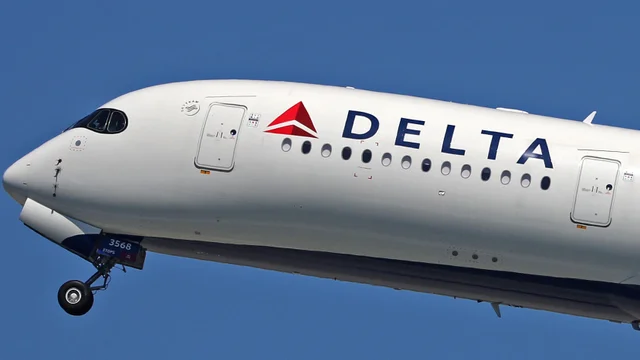
Delta Air Lines delivered stronger second-quarter revenue as resilient passenger demand and growth in premium travel helped offset a sharp increase in fuel costs, prompting the US carrier to reaffirm its full-year earnings outlook despite persistent cost pressures across the aviation industry.
The airline reported operating revenue of $19.76 billion for the quarter ended June, representing a 19 percent increase from the corresponding period last year. On an adjusted basis, revenue rose to $17.67 billion, supported by higher passenger volumes across domestic and international routes, alongside continued strength in premium travel.
Net income, however, declined to $1.60 billion from $2.13 billion a year earlier as rising operating expenses eroded profitability. Adjusted earnings came in at $1.56 per share, beating analysts’ expectations despite significantly higher fuel costs during the period..
Delta said premium cabin demand, corporate travel and international services remained key revenue drivers during the quarter. The airline also generated stronger contributions from its SkyMiles loyalty programme, cargo operations and aircraft maintenance business, highlighting its strategy of expanding non-ticket revenue streams.
Fuel remained the carrier’s largest cost challenge. Fuel expense under generally accepted accounting principles (GAAP) surged 67 percent to $4.11 billion, while adjusted fuel costs rose 77 percent to $4.41 billion as global oil prices increased during the quarter.
Despite the higher costs, Chief Executive Officer Ed Bastian said Delta exceeded its financial guidance through disciplined operational execution and sustained customer demand across its network.
“Our performance reflects broad-based demand strength and disciplined execution,” Bastian said, adding that customers continued to prioritise travel despite broader economic uncertainty.
Looking ahead, Delta expects September-quarter revenue to record another year-on-year increase while forecasting an operating margin of between 11 percent and 13 percent. The airline also projected third-quarter adjusted earnings of $2.00 to $2.50 per share, assuming fuel prices moderate from the elevated levels experienced in the June quarter.
The carrier reaffirmed its full-year guidance, maintaining adjusted earnings per share of between $6.50 and $7.50 and forecasting free cash flow of $3 billion to $4 billion. It also announced a 15 percent increase in its quarterly dividend beginning in September, citing continued debt reduction and improvements in its balance sheet.








Dear Trevor: Africa is calling (1)