
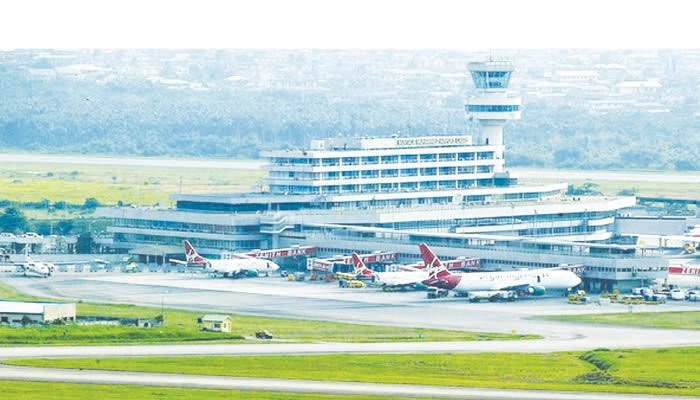
The Nigerian aviation industry is turning its attention to commercial sustainability as the 2026 Airport Business Summit and Expo (ABSE) opens in Lagos, bringing together government agencies, airport operators, airlines and investors to explore strategies for boosting airport revenues, attracting private capital and strengthening airline-airport partnerships.
The three-day summit, taking place at the NIGAV Centre near the Murtala Muhammed International Airport, comes amid renewed efforts to reposition Nigeria’s airports as commercially viable enterprises capable of generating stronger returns beyond traditional government funding.
Held under the theme, “Economies of Enhanced Air Connectivity: Airline and Airport Integration,” the conference will examine how closer collaboration between airlines and airport operators can expand route networks, increase passenger traffic and improve the financial performance of airports.
The discussions reflect a growing shift in the global aviation industry, where airports are increasingly operated as commercial businesses rather than public utilities. Across major aviation markets, airports have diversified their income sources through passenger service charges, aircraft movements, retail concessions, advertising, parking, cargo operations and other non-aeronautical businesses, reducing dependence on government subventions.
Organisers say Nigeria’s aviation sector must adopt similar models if airports are to remain financially sustainable while supporting broader economic growth.
According to Fortune Idu, chairman of ABSE, the summit is designed to identify practical approaches to improving airport profitability, enhancing returns on airport infrastructure investments and creating a more attractive environment for private sector participation.
The Federal Ministry of Aviation and Aerospace Development, the Federal Airports Authority of Nigeria (FAAN) and the Nigerian Civil Aviation Authority (NCAA) are collaborating with the organisers, underscoring government support for reforms aimed at modernising the country’s airport system.
The programme features masterclasses on airport revenue planning, airport business development, cargo logistics, airport operations and public-private partnerships, alongside networking sessions, airport managers’ presentations and panel discussions involving industry stakeholders from Nigeria and abroad.
Participants are also expected to deliberate on measures to reduce airport operating costs, improve investment returns and deepen regional air connectivity across West Africa, where stronger airline networks are increasingly viewed as essential for expanding trade, tourism and cross-border economic integration.
The summit comes as Nigeria continues to pursue airport modernisation and greater private investment in aviation infrastructure to improve service delivery and strengthen the competitiveness of its air transport sector.
Recommendations from the July 14–16 conference are expected to inform future airport development policies, encourage stronger airline partnerships and promote more sustainable business models for airports in Nigeria and across the African aviation market.







Turning energy investment into lasting economic value in Africa