• FCDA says lease expired
• JonahCapital insists lease valid till 2030
• 11,000 housing units on the line
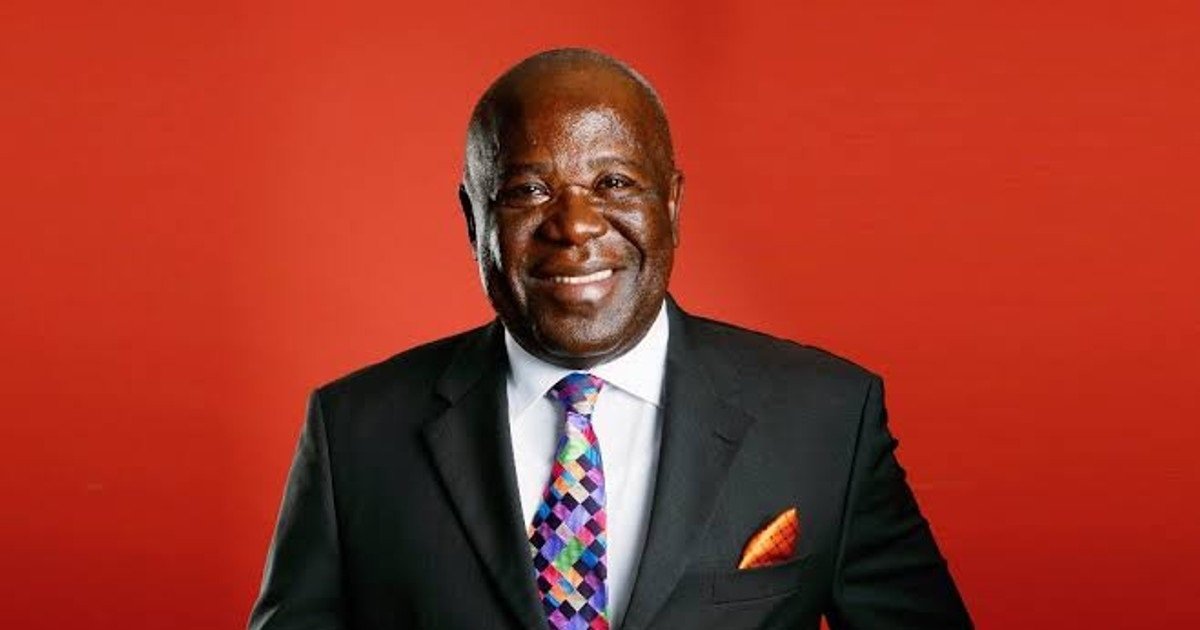
A Ghanaian mining tycoon, Sam Jonah, founder of JonahCapital Nigeria Limited, has dragged Nigeria’s Federal Capital Development Authority (FCDA) to the International Chamber of Commerce (ICC) court, in Paris, France over a 501-hectare mixed-use estate meant to hold 11,000 housing units and other infrastructures.
A long-running legal dispute has thus ensued over what is seen as one of Abuja’s biggest real estate developments beyond Nigeria’s borders, at an international arbitration in Paris.
According to the court fillings by JonahCapital, the FCDA had issued a lease agreement to River Park Estate, a 501-hectare mixed-use development in Lugbe, Abuja, designed to deliver more than 11,000 housing units for about 42,000 residents, alongside shopping centres, office complexes, healthcare facilities, places of worship and other supporting infrastructure.
But somewhere along the line, JonahCapital alleged that the FCDA failed to honour its own part of the lease agreement to “provide essential infrastructure on the estate —
roads, electricity and water supply— as required under the agreement, forcing the company to finance and construct the facilities itself”. Also the authority “allowed unrelated parties to stake ownership claims”, a development that led to disagreements, resulting in prolonged litigation.
In addition, the FCDA has terminated the Development Lease Agreement (DLA) with JonahCapital, on the grounds that the DLA expired in November 2025.
The minister of the Federal Capital Territory (FCT), Nyesom Wike, confirmed the arbitration matter filed by JonahCapital, developers of the proposed River Park Estate against the FCDA.
“The other party has gone to arbitration, and we said okay, let them conclude the arbitration process,” Wike said.
Due to the disagreements between JonahCapital Nigeria Limited and the FCDA, and the inability for both parties to resolve the lingering dispute, the project was unduly delayed.
According to the FCDA, the development lease agreement with JonahCapital had expired, therefore, the authority terminated the DLA. But JonahCapital claims the exact opposite, insisting that its lease remains valid until 2030.
The FCT minister Wike acknowledged the FCDA signing a development lease agreement (DLA) with JonahCapital Nigeria Limited, to develop a mixed-use estate project in Lugbe area of the FCT.
But he claimed that the DLA had expired, prompting the authority to repossess the land.
He further said the FCDA had no contractual relationship with Paulo Homes Limited, which he alleged was later introduced into the estate development project.
On its part, JonahCapital strongly opposed the FCT minister’s position. The company has invoked the arbitration clause in the DLA, and filed proceedings before the International Chamber of Commerce (ICC) court in Paris, challenging the FCDA’s decision to terminate the lease on November 5, 2025.
JonahCapital is praying the ICC Paris to agree with its argument, and declare that the lease agreement remains valid until June 2030. The estate developer is further asking the international tribunal to declare the FCDA termination of the DLA unlawful.
As it stands, a costly long-drawn international litigation hangs over one of Abuja’s biggest real estate projects.
Indeed, the River Park Estate project has been embroiled in controversy for years. In July 2025, former President Olusegun Obasanjo dismissed claims by JonahCapital founder Sam Jonah to the effect that his administration (1999-2007) had allocated the 501 hectares for the mixed-use estate’s development. The former president was quoted to have described Sam Jonah’s allegation as “absolutely untrue, fictitious, misleading, and libellous.”
JonahCapital said it turned to international arbitration after repeated attempts to resolve the matter through official channels, including Nigerian courts, failed.
The real estate firm also accused the FCDA of fencing off parts of the disputed estate while the arbitration process was already underway, warning the action could further escalate the conflict.
It also claimed that individuals and organisations that were not parties to the original lease agreement began laying claims to parts of the estate, which threw up years of legal battle and competing ownership claims.