
As world leaders gather in New York for the 81st United Nations General Assembly, there will be no shortage of discussion about poverty, conflict, climate change, humanitarian crises and the Sustainable Development Goals.
These conversations matter. But there is another conversation the international community needs to have. What happens when the funding ends?
For millions of people, international assistance has become a permanent feature of life rather than a bridge to something more sustainable. Humanitarian organisations arrive because there is a crisis. Donors provide funding because the needs are urgent. Programmes are designed, delivered and evaluated. New funding is sought. Then the cycle begins again.
This is not a criticism of humanitarian action. When people are caught in war, famine, displacement or natural disaster, humanitarian assistance is indispensable. It saves lives. It should continue to do so. But emergency assistance was never meant to become the economic model for entire communities or countries. That distinction matters.
The international development system has become exceptionally good at financing needs. It has been much less successful at financing the transition from need to opportunity. We need to change that.
The next chapter of international cooperation should not be about withdrawing from countries that need support. It should be about helping countries build the institutions, infrastructure, markets and capabilities that allow them to need less of it. That means moving from aid dependency towards investment and trade.
It means asking a different set of questions. Not simply: How much funding is required? But: What can this funding help build that will continue when the funding ends?
What institutions will remain? What businesses will emerge? What markets can be connected? What infrastructure can generate economic activity? What local organisations can become stronger and more capable? What domestic and international capital can eventually replace grant financing?
This is not an argument for replacing aid with private capital overnight. It is an argument for being much more deliberate about the destination.
There is a simple analogy.
An international organisation may operate one large 20-inches pipeline that can deliver an excellent intervention to a community while funding lasts. The government may have hundreds of smaller 2-inches pipelines reaching communities across a country. Some are rusty. Some are inefficient. Some barely function. The answer cannot always be to build another large pipeline outside the system. Sometimes the more important investment is in repairing the hundreds of smaller ones. Because when the international organisation leaves, those pipelines remain. This is the challenge facing the development system. We have become very good at creating effective projects. We need to become much better at creating systems that can carry those solutions at scale. That requires a different understanding of investment.
Investment is not simply money looking for a financial return. It is also capital allocated to build capability, reduce risk, strengthen institutions and create the conditions for productive economic activity. This is where the United Nations and its Member States have an important role. The UN does not need to become an investment bank. But it can help create the conditions in which countries move from being primarily recipients of international assistance to participants in regional and global markets. That means supporting governments to strengthen investment governance. It means helping countries turn public assets into productive assets. It means supporting trade facilitation, infrastructure, energy systems, digital connectivity and financial markets.
It means helping local enterprises move from survival to growth. It means connecting African businesses and institutions to global capital without stripping away local ownership and agency. And it means treating the private sector, professional associations, local institutions, faith-based organisations and communities not simply as implementing partners, but as part of the economic and institutional architecture of development.
There is also a role for philanthropy and development finance institutions. Instead of endlessly financing the cost of delivering services, more capital should be used to make systems investable. Grants can de-risk markets. Technical assistance can strengthen institutions. Concessional capital can unlock commercial investment. Development finance can help build infrastructure and productive capacity. And trade can ultimately become a much larger engine of development than aid ever could. This is particularly important for Africa.
The continent does not lack assets, entrepreneurs or economic potential. It has natural resources, pension capital, sovereign assets, growing consumer markets, businesses and a young population.
What is often missing is the institutional and financial architecture that allows those assets to generate broad-based economic value. That is where international cooperation should increasingly focus. The objective should not be to make Africa permanently better at receiving assistance. It should be to help African countries become better positioned to attract investment, trade with each other and the world, mobilise domestic capital and finance their own development.
This is not about abandoning solidarity. It is about making solidarity more ambitious. A child facing famine needs food today. A family displaced by conflict needs shelter today. A community devastated by a flood needs humanitarian assistance today. But tomorrow, that same child needs a functioning school. That family needs an economy to return to. That community needs infrastructure, livelihoods and access to markets. And eventually, they need institutions capable of providing these things without waiting for the next international appeal.
The humanitarian system should therefore have an exit strategy. Not an exit from people. An exit from permanent dependency.
The 81st General Assembly is taking place at a moment when trust in multilateral institutions is being tested, and the UN itself is calling for transformation. This is an opportunity to rethink what success looks like.
Success should not only be measured by how much aid we mobilise, how many beneficiaries we reach or how many projects we complete. It should also be measured by what remains when the funding ends.
Do stronger institutions remain?
Do functioning markets remain?
Do viable businesses remain?
Does local capital have a greater role?
Can governments finance more of their own priorities?
Can countries trade their way to greater prosperity?
Can communities participate in economies rather than remain permanently defined by their needs?
These are not easy questions. But they are the questions the international system must increasingly confront. The purpose of international cooperation should not be to make countries permanently dependent on international cooperation. It should be to help create the conditions in which countries can stand more firmly on their own feet.
Aid will remain necessary. But aid should be a bridge, not a destination.
The next generation of global development cooperation should be about building what comes after aid: stronger institutions, productive economies, investment and trade. That is the transition the United Nations and its Member States should be leading.
- business a.m. commits to publishing a diversity of views, opinions and comments. It, therefore, welcomes your reaction to this and any of our articles via email: comment@businessamlive.com

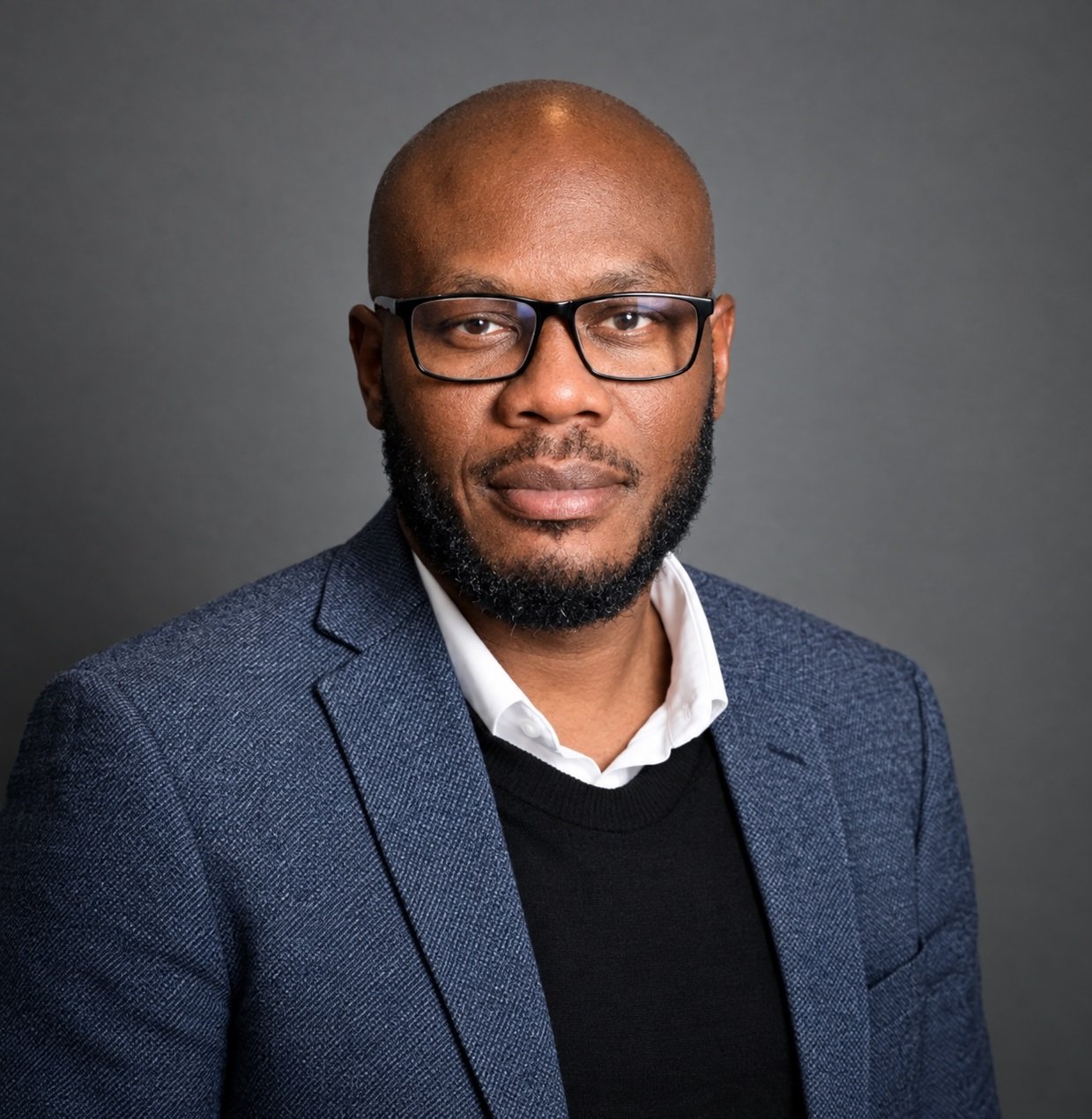
Dr. Wale Osofisan, PhD, is a seasoned governance strategist and policy analyst with over 23 years of experience advancing African-led, evidence-based solutions to political transitions, humanitarian crises and development challenges.






Beyond media mentions: The case for ‘commercial PR’ in Nigeria