-
Global digital wallet adoption to rise from 55% in 2026 to 71%
-
Wallets projected to account for one-third of global ticket purchases by 2030
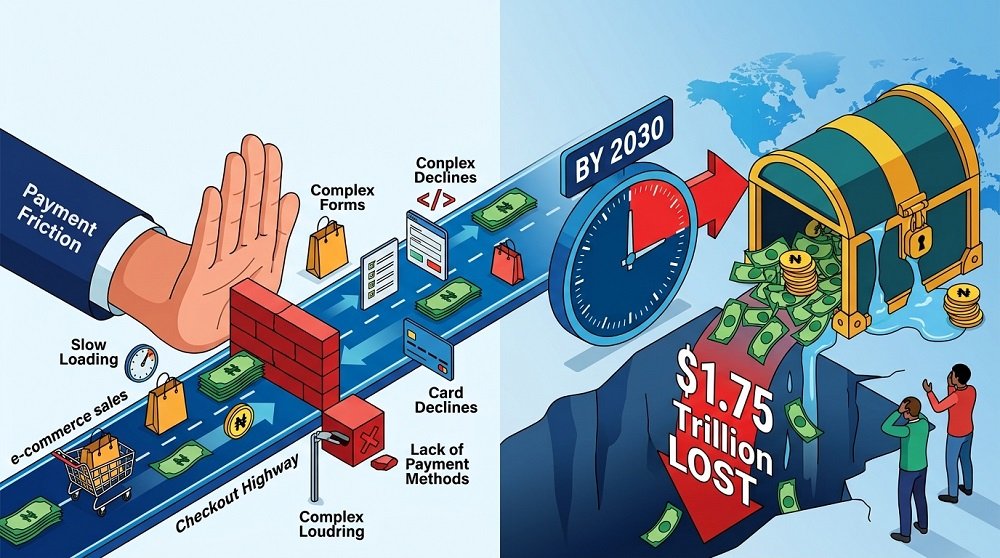
Global e-commerce merchants could lose as much as $1.75 trillion in transactions annually by 2030 because of payment failures and other checkout difficulties, as digital wallets gain ground as a tool for simplifying online purchases, according to a new study by Paysafe and Juniper Research.
The report, titled The Invisible Wallet: How Digital Wallets Can Unlock the Experience Economy, estimates that transaction friction could account for $1.2 trillion in lost e-commerce transactions in 2026, with the figure projected to rise by 2030 if merchants fail to address the challenges affecting online payments.
The study attributes the projected losses to a range of problems, including payment rejections, fraud concerns, complicated checkout processes, difficulties entering payment details and inflexible payment options. These obstacles can prevent customers from completing purchases even when they are willing to pay for a product or service.
Based on an estimated e-commerce payment failure rate of 12 per cent, the report argues that checkout difficulties represent a substantial commercial risk for businesses that depend on digital transactions.
The financial consequences extend beyond abandoned purchases. With the average e-commerce merchant retaining about 10 per cent of revenue as net profit after costs, the study estimates that potential net revenue losses could reach approximately $120 billion in 2026 and approach $175 billion by 2030.
Against this backdrop, digital wallets are emerging as a way for merchants to simplify payment processes and reduce the likelihood of customers abandoning transactions before completion.
According to Juniper Research data cited in the report, 55 per cent of the world’s population will use a digital wallet in 2026. Adoption is projected to increase to 70.5 per cent by 2030, reflecting the growing role of wallet-based payments in everyday commerce.
Unlike conventional checkout processes that require customers to repeatedly enter card or account details, digital wallets can store payment credentials and allow users to complete transactions through integrated checkout systems. Some also support biometric verification, such as fingerprint or facial recognition, to authenticate users.
The report says these capabilities can reduce the steps required to complete purchases, while helping merchants address some of the problems associated with payment authentication and fraud screening.
However, it cautions that digital wallets are not a complete solution to payment friction. Their effectiveness depends on the type of wallet, its availability in a particular market and whether merchants support the payment methods their customers actually use.
Wallets extend beyond payments
The research also identifies opportunities for digital wallets beyond conventional online shopping, particularly in retail loyalty programmes, gaming, digital ticketing and travel.
In retail, digital wallets are increasingly being used to store loyalty cards, rewards and membership passes, reducing the need for customers to carry physical cards. The report notes, however, that smaller businesses face difficulties adopting digital loyalty systems because of the expertise and resources required to implement them.
Digital ticketing is another area expected to benefit from wider wallet adoption. Juniper Research forecasts that digital wallets will account for one-third of ticket purchases globally by 2030, up from 25 per cent in 2026.
The development reflects the growing use of mobile applications, QR codes and near-field communication technology to purchase and validate tickets for transport and entertainment events.
The report also points to the potential for digital wallets to support digital travel credentials, which could allow travellers to store and present secure digital representations of government-issued identity documents. However, it expects the technology to take until the 2030s to reach its full potential.
In gaming, the shift from physical products to digital downloads and online purchases has increased the importance of convenient payment options. Digital wallets can allow players to make purchases without repeatedly entering payment information, although payment restrictions and regulatory requirements continue to affect certain online services.
Payment choice creates another challenge
Despite their potential benefits, the report identifies a broader problem in the digital payments market: the growing number of payment options can make checkout more complicated rather than easier.
Online merchants may offer bank cards, several digital wallets, buy-now-pay-later services, gift cards and bank transfers on the same checkout page. While these options are intended to accommodate different customer preferences, an excessive number of choices can make the payment process confusing.
Trust also remains an issue, particularly where customers are concerned about fraud or the security of their financial information. Payment systems that require extensive manual input or repeatedly reject legitimate transactions can further discourage customers from completing purchases.
Digital wallets could help address some of these challenges by combining payment credentials and authentication within a single interface. Some wallets also integrate instalment payment options, giving customers greater flexibility over how they pay.
Nevertheless, the study stresses that merchants need to select wallet services that fit their customers and the markets in which they operate, rather than assuming that one payment solution will work equally well everywhere.
The findings suggest that the commercial value of digital wallets will increasingly depend on their ability to connect payments with other parts of the customer experience, including loyalty programmes, rewards, identity verification and access to digital services.
For businesses competing for online spending, the report argues that reducing the obstacles between a customer’s decision to buy and the completion of payment could help limit lost transactions and improve the overall shopping experience.