•Investor is negotiating crude supply on commercial terms independently
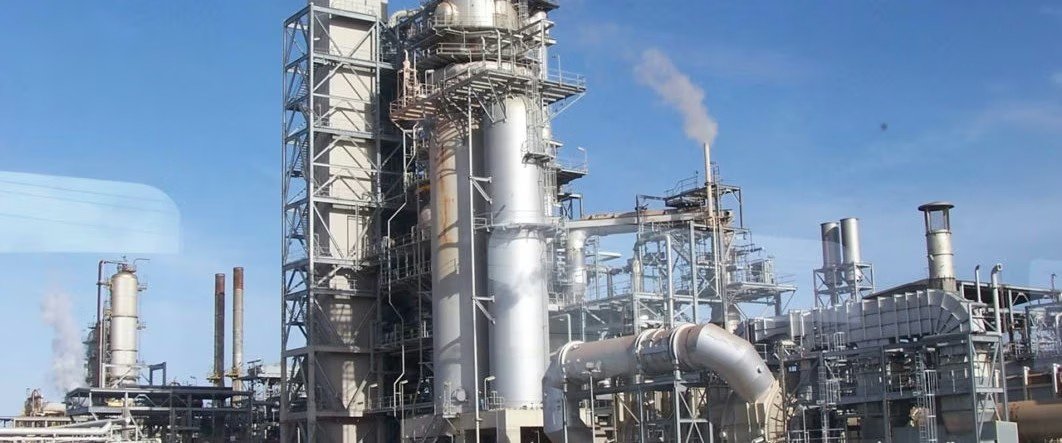
Aliko Dangote, Africa’s richest man can now go ahead with starting construction of his proposed $16 billion oil refinery in Lamu, Kenya, as the East African country’s court has lifted an earlier interim restriction order on the facility.
The Kenyan high court in Malindi, presided over by Jane Onyango, lifted the earlier status-quo/pause order that had temporarily halted construction activities, clearing the path for the project to proceed while broader legal proceedings continue.
Some 133 local residents and farmers from Chandavai, raising concerns over ancestral land rights, compensation, resettlement, and environmental impacts in the Lamu archipelago brought the case forward.
The planned facility is designed to process 700,000 barrels of crude oil per day, targeting a completion window around 2030 to cut down East Africa’s heavy reliance on imported fuel.
Substantive hearings and further directions regarding the land ownership and environmental compliance claims remain ongoing.
While the 133 residents sued over ancestral land rights, the Consumers Federation of Kenya (COFEK), led by secretary-general Stephen Mutoro, filed a separate petition with the Kenya Public Private Partnerships (PPP) Petition Committee under Section 75 of Kenya’s Public Private Partnerships Act, 2021 strictly on regulatory grounds.
The lobby is demanding details on the tenure and valuation of the 7,000 acres earmarked for the project. Specifically, they want to know if this public land is being counted as part of Kenya’s KSh 65 billion equity contribution or if it is an additional, undisclosed state subsidy. COFEK’s challenge centers on what it viewed as “a severe lack of transparency, regulatory compliance, and fiscal risk management surrounding the $16 billion project”.
In particular, the lobby group challenged transparency over Kenya government’s 10% equity stake on the refinery valued at $500 million (or KSh 65 billion), demanding full disclosure. The group has asked the committee to force authorities to reveal: the specific acquisition vehicle and share class being used, the exact funding sources and payment schedules, a clear breakdown distinguishing between public funds that have been budgeted, committed, or actually disbursed (including a reported Kenyan Shilling 21.5 billion seed allocation).
The Kenya consumers federation group argued that a high-profile presidential groundbreaking ceremony does not bypass statutory requirements. COFEK is challenging the legality of the project’s approvals by demanding proof of: explicit identification of the government agency authorized to sign the deal with Dangote Industries and the exact procurement route utilized. Official records showing that comprehensive project appraisals, financial due diligence, legal clearances, and conflict-of-interest checks were completed before the state committed public funds. Documented evidence that constitutional mandates for public consultation were satisfied.
Also COFEK seeks to know how the refinery deal might impact everyday citizens financially, a thorough review of hidden state commitments, such as offtake arrangements, electricity supply guarantees, and market protection mechanisms. They argue these clauses could saddle Kenyan taxpayers and consumers with massive contingent liabilities if the project faces operational hitches.
Government’s defence:
In response to the growing regulatory concerns, the Kenyan government defended the project before parliament.
Petroleum principal secretary Mohamed Liban Harsama— asserted that no special concessions or crude oil supply guarantees have been granted to Dangote, and that the investor is negotiating commercial terms independently.
President William Ruto defended the confidentiality of the early stages, stating that Kenya’s 10% equity stake would be formally managed through the country’s National Infrastructure Fund (NIF) using public assets, including state-allocated land, and directed critics to audit the frameworks through Parliament.