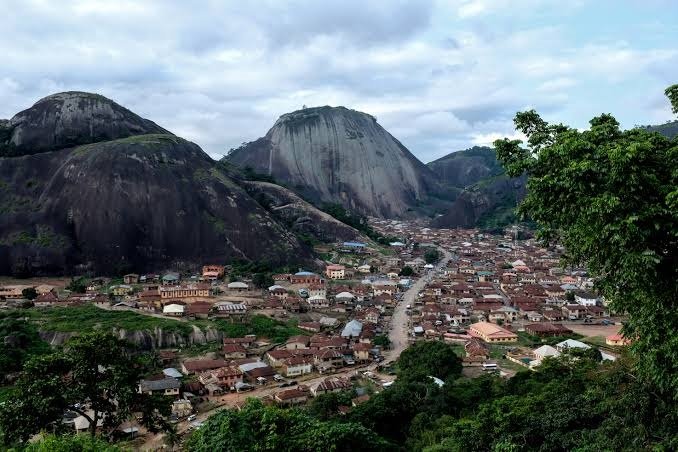
Abanijorin Mountain and Cave in Iyin-Ekiti is emerging as one of Ekiti State’s distinctive nature-based tourism attractions, combining rock formations, cave exploration and cultural heritage in a destination with potential to support local enterprise and expand the state’s tourism economy.
Located in the Tungba area along Old Iyin Road, the site features seven caves, a rock tunnel and a natural amphitheatre, offering opportunities for hiking, guided exploration and heritage-focused visits. Its attractions also present prospects for tour operators, local guides, transport providers and small businesses serving visitors, provided access, conservation and visitor management are developed sustainably.
The mountain gained wider public attention during the sixth Hike Ekiti Mountain Safari in April 2024, when Governor Biodun Oyebanji, tourism minister Lola Ade-John and other officials joined participants on the mountain. The event formed part of the state government’s efforts to promote Ekiti’s natural attractions and encourage tourism development and investment.
Wale Ojo-Lanre, director-general of the Ekiti State Bureau of Tourism Development, highlighted the mountain’s seven caves, rock tunnel and amphitheatre during the event, drawing attention to the range of natural features that could support adventure tourism and organised excursions.
Natural attraction with economic potential
The commercial prospects of Abanijorin extend beyond the mountain itself. A more organised visitor economy could create opportunities for trained hiking guides, local transport operators, food vendors, artisans and accommodation providers in surrounding communities.
Tour operators could also incorporate the mountain into wider Ekiti itineraries featuring other natural, cultural and historical attractions, potentially encouraging visitors to extend their stays and spend more within the state.
However, converting the site’s natural appeal into a sustainable tourism product would require more than promotional events. Clear visitor information, trained guides, basic safety arrangements, appropriate facilities and effective environmental management would be important to building confidence among domestic tourists and organised tour groups.
Abanijorin also carries historical significance for the Iyin-Ekiti community. Its name is associated with “Okuta Aba ni Jorin,” reflecting the site’s place in local history and cultural identity.
During the 2024 tourism event, the governor and accompanying delegation visited the palace of the Oluyin of Iyin-Ekiti, Oba Adeniyi Ajakaye, where they were briefed on the mountain’s history.
The terrain makes suitable footwear with a good grip important, while light clothing, drinking water and a torch are useful for visitors preparing to climb and explore the darker cave areas. Visitors should also consider their fitness levels and seek local guidance before entering unfamiliar terrain or enclosed rock formations.
Basic restroom facilities are available at ground level, while food options at the mountain are limited, with local vendors operating nearby. These conditions present opportunities for improved visitor services, although any expansion would need to respect the site’s natural environment and cultural significance.
Ultimately, Abanijorin Mountain and Cave offers Ekiti an opportunity to connect nature-based recreation with cultural heritage and community enterprise. Realising that potential will depend on how effectively the state and local stakeholders balance promotion with conservation, visitor safety and investment in the facilities needed to turn a distinctive natural attraction into a sustainable tourism destination.