By Jiniya Afroze
DHAKA – It is already apparent that the impact of the COVID-19 pandemic will be uneven, with poorer countries bearing the brunt of the fallout. This includes the 1.2 million children in Bangladesh who are engaged in the harshest forms of child labor. In such uncertain times, these children – and millions of others elsewhere – are even more vulnerable to exploitative and hazardous work.
The reason is simple. When major global retail outlets canceled orders due to lockdown-related cutbacks, the production of low-cost fashion in much of the world came to a standstill, leaving many garment workers in the Global South without an income. Since March, Bangladesh’s exports of leather goods have declined by 22%. The country’s footwear-manufacturing industry, the world’s eighth largest, has also been affected, with exports down by 50% since the pandemic began.
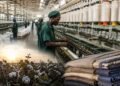
With leather-goods producers facing canceled orders and restrictions to slow the transmission of COVID-19, the unregulated informal sector has become much more competitive, with factory owners targeting children as cheap labor. In the informal leather sector, children often work long hours for little or no pay, frequently doing work that is physically and psychologically harmful and dangerous jobs during the production process. But despite the risks, most children rely on such employment to support themselves and their families.
Now, tanneries are slowly resuming production, and raw materials are being channeled to factories filling new international orders, leading to a relative scarcity of materials for domestic production. This creates another opening for leather producers in the unregulated informal sector. Their ability to step in to meet domestic demand depends on the further exploitation of children.
Bangladesh does have laws and policies to address hazardous and exploitative child labor. But policy gaps exist – the Bangladesh Labor Act, for example, does not cover the informal sector.
Here, international brands and corporations have an opportunity to help. Global retail outlets must recognize not only the immediate financial impact of canceling orders, but also the unintended consequences for both the formal and informal sectors.
This means approaching the problem holistically, with established brands and their customers being well informed about where, how, and by whom goods are produced. Brands need to take responsibility for ensuring ethical behavior throughout their supply chain. Stricter monitoring is necessary to guarantee that all suppliers, international and local, meet the same standards in terms of labor codes and working conditions. And a transparent system is needed for tracking the sources of raw materials and ensuring that children are not used in bonded labor or working in hazardous conditions.
While plenty of initiatives to protect child workers have been undertaken in recent decades, they often fall short. Tracking the long supply chain is difficult, so a culture of violence at its origin persists, sustained by structural inequalities that constant global demand for cheap products embeds in the production process.
Having to comply with a monitoring regime would prevent suppliers from subcontracting their work to informal, often unregulated companies in which workers, including many children, labor in harmful and hazardous conditions. Responsible brands could also implement the “positive deviance” approach, publicly sharing their ethical business strategies and practices, which may encourage other brands to investigate their own practices in turn.
Furthermore, relevant government agencies, civil-society groups, and private-sector organizations must focus on enforcing existing policies and protecting children’s rights. Both international and local brands need to be held accountable regarding their duty to care for children. All businesses should adhere to a minimum-age requirement, maintain standard working hours, and guarantee safe workplace conditions. To ensure compliance, businesses employing children must have a multi-stakeholder consultation system in place, including representatives from the government, civil society, human-rights organizations, and academia, as well as social workers.
Finally, to protect children from harmful work and modern slavery in industries like leather goods requires listening to children themselves. Children are rarely involved in workplace decision-making, especially during shocks like the COVID-19 pandemic, when they are more likely to be subjected to hazardous conditions. Learning from them about their experiences at all stages of the production process can be pivotal in improving their well-being.
The pandemic has exposed the intricacies of global supply chains and the vulnerability of the people working within them. Even in normal times, children are vulnerable to exploitation by unregulated, informal firms, which will pick up business where other firms cannot. But now this risk is greater than ever.
Understanding global supply chains and the impact of sudden changes on the vulnerable people who form their links is crucial. Advocates and policymakers must devise and implement robust accountability systems to uphold the rights of the millions of children – in Bangladesh and globally – who must work.
_______________________________________________________
Afroze is Country Coordinator for Bangladesh at the Child Labour: Action-Research-Innovation in South and South-Eastern Asia (CLARISSA) consortium.