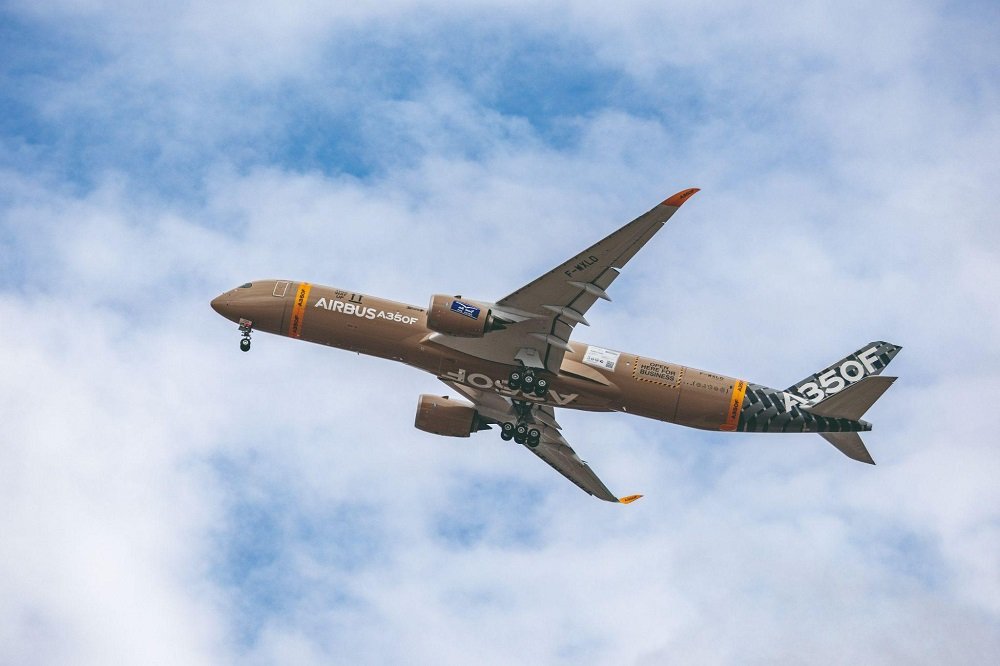
Airbus has advanced its push into the large-freighter market after the first A350F test aircraft completed its maiden flight, marking a major milestone in the development of the company’s next-generation cargo aircraft.
The aircraft, designated MSN 700, flew for four hours and 10 minutes, reaching an altitude of 25,000 feet during the inaugural sortie. It was operated by a dedicated Airbus flight-test crew and fitted with specialised instrumentation to support the aircraft’s development programme.
The maiden flight marks the beginning of a more than nine-month flight-test campaign designed to validate the A350F’s airworthiness, flying characteristics and core systems before the aircraft enters commercial service.
Lars Wagner, CEO, Commercial Aircraft at Airbus, described the flight as a major milestone for the programme and its customers, positioning the A350F as a new entrant designed to combine range, payload capacity and fuel efficiency for the global air cargo market.
The second test aircraft, MSN 701, is at an advanced stage of final assembly and is expected to enter the paint shop in the coming weeks.
The A350F has been designed to address changing requirements in the international air freight market, with a maximum range of up to 8,700 kilometres and payload capacity of up to 111 tonnes.
The aircraft is built with more than 70 percent advanced materials, which Airbus says gives it a 46-tonne lower maximum take-off weight compared with competing aircraft.
Its weight and aerodynamic design are intended to improve operating economics on long-haul cargo routes, an increasingly important consideration for airlines and freight operators facing pressure to manage fuel costs and emissions.
The aircraft is powered by Rolls-Royce Trent XWB-97 engines, with Airbus projecting reductions of up to 40 percent in fuel consumption and carbon emissions compared with competing aircraft offering a similar payload-range capability.
Airbus also said the A350F is the first new freighter designed to fully meet the latest International Civil Aviation Organisation (ICAO) CO₂ emission standards, positioning environmental performance as a key component of its commercial proposition.
The aircraft has already secured significant interest from cargo operators ahead of its entry into service.
As of the end of August 2026, Airbus said the A350F had accumulated 115 orders from 14 disclosed customers, giving the aircraft as much as 59 percent market share in the large-freighter category.
The order book provides an early indication of demand for newer and more fuel-efficient freighters as operators seek to modernise fleets and respond to the economics of long-haul air cargo.
The A350F programme also represents an expansion of the Airbus A350 platform beyond passenger aviation into the strategic large-freighter market, where aircraft efficiency, payload capability, range and regulatory compliance are increasingly central to fleet decisions.
The completion of the first flight now puts the programme on a critical testing path towards certification and eventual commercial operations, with the second prototype expected to join the campaign as development progresses.