AfDB commits $1.2m to Nigeria’s battery storage future

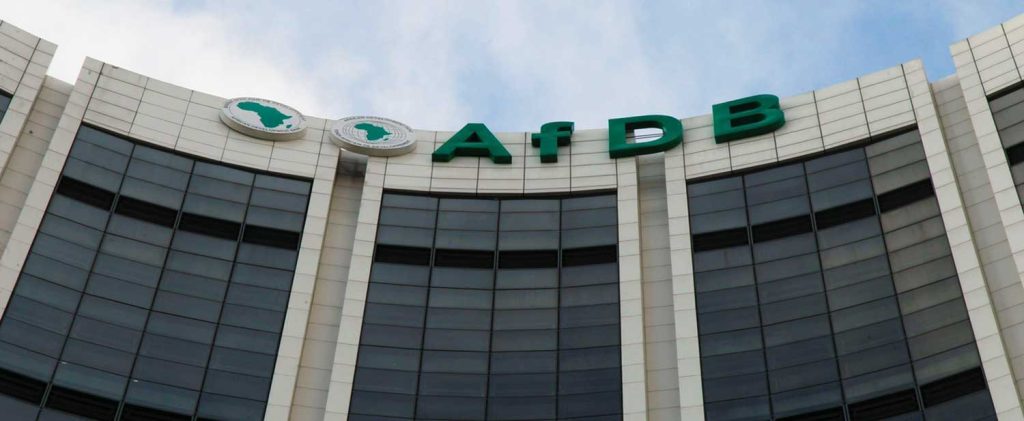
The African Development Bank (AfDB) has allocated a $1.2 million grant to fund a feasibility study for Nigeria’s Battery Energy Storage System (BESS) project. This initiative is set to boost the national grid and accelerate the nation’s ambitious transition towards cleaner energy sources.

The grant, channelled through the AfDB’s Energy Transition Catalyst Programme, was announced during the inaugural workshop for the study held on Wednesday in Abuja. The workshop was a collaborative effort between the Transmission Company of Nigeria (TCN) and the AfDB.

Abdul Kamra, director-general of AfDB’s Nigeria Country Department, explained that the comprehensive study will explore how battery storage can contribute to stabilising the power supply, facilitate the more effective integration of renewable energy into the grid, and ultimately expand electricity access to millions of underserved Nigerians.

“The African Development Bank has committed a 1.2 million dollar grant to support the feasibility study of the Nigeria Battery Energy Storage System (BESS). The grant is under AfDB’s Energy Transition Catalyst Programme,” Kamra stated.

Kamra further elaborated that the project will evaluate various options for grid integration, identify suitable business and regulatory models designed to attract private investment, and enable the technical expertise necessary for long-term ownership and sustainable deployment of the BESS.

He underscored the growing importance of battery storage as an essential component of modern power systems, offering tangible benefits such as frequency stabilisation, enhanced reserve capacity, and more efficient peak load management. However, he cautioned that technological solutions alone are insufficient, emphasising the imperative for complementary regulatory policies and an enabling investment environment to ensure sustainable deployment.

Kamra affirmed the AfDB’s commitment to this transformation, citing its ongoing support through the $1 billion Economic Governance and Energy Transition Support Programme. He also highlighted the project’s strong alignment with Nigeria’s Energy Transition Plan, the SE4ALL Action Agenda, and the Renewable Energy Master Plan, all of which aim to strengthen policy coherence across the energy sector. Kamra urged all stakeholders to ensure the study yields actionable outcomes that genuinely reflect Nigeria’s unique priorities and realities.

Also speaking at the workshop,Adebayo Adelabu, the minister of power, represented by Ben Ayangeor, lauded the study as a strategic step toward future-proofing Nigeria’s power infrastructure as renewable sources like solar and wind gain increasing prominence. He explained that battery energy storage would enable excess electricity to be stored during periods of low demand and dispatched during peak periods, thereby enhancing grid stability and reducing reliance on fossil-fuelled peaking plants.

Sule Abdulaziz, managing director of TCN, represented by Olugbenga Ajiboye, described the study as timely. He noted that energy storage systems possess the potential to address persistent challenges plaguing Nigeria’s power supply, including frequency fluctuations, peak load pressures, and voltage instability.

Leave a Comment

AfDB commits $1.2m to Nigeria’s battery storage future

The African Development Bank (AfDB) has allocated a $1.2 million grant to fund a feasibility study for Nigeria’s Battery Energy Storage System (BESS) project. This initiative is set to boost the national grid and accelerate the nation’s ambitious transition towards cleaner energy sources.

The grant, channelled through the AfDB’s Energy Transition Catalyst Programme, was announced during the inaugural workshop for the study held on Wednesday in Abuja. The workshop was a collaborative effort between the Transmission Company of Nigeria (TCN) and the AfDB.

Abdul Kamra, director-general of AfDB’s Nigeria Country Department, explained that the comprehensive study will explore how battery storage can contribute to stabilising the power supply, facilitate the more effective integration of renewable energy into the grid, and ultimately expand electricity access to millions of underserved Nigerians.

“The African Development Bank has committed a 1.2 million dollar grant to support the feasibility study of the Nigeria Battery Energy Storage System (BESS). The grant is under AfDB’s Energy Transition Catalyst Programme,” Kamra stated.

Kamra further elaborated that the project will evaluate various options for grid integration, identify suitable business and regulatory models designed to attract private investment, and enable the technical expertise necessary for long-term ownership and sustainable deployment of the BESS.

He underscored the growing importance of battery storage as an essential component of modern power systems, offering tangible benefits such as frequency stabilisation, enhanced reserve capacity, and more efficient peak load management. However, he cautioned that technological solutions alone are insufficient, emphasising the imperative for complementary regulatory policies and an enabling investment environment to ensure sustainable deployment.

Kamra affirmed the AfDB’s commitment to this transformation, citing its ongoing support through the $1 billion Economic Governance and Energy Transition Support Programme. He also highlighted the project’s strong alignment with Nigeria’s Energy Transition Plan, the SE4ALL Action Agenda, and the Renewable Energy Master Plan, all of which aim to strengthen policy coherence across the energy sector. Kamra urged all stakeholders to ensure the study yields actionable outcomes that genuinely reflect Nigeria’s unique priorities and realities.

Also speaking at the workshop,Adebayo Adelabu, the minister of power, represented by Ben Ayangeor, lauded the study as a strategic step toward future-proofing Nigeria’s power infrastructure as renewable sources like solar and wind gain increasing prominence. He explained that battery energy storage would enable excess electricity to be stored during periods of low demand and dispatched during peak periods, thereby enhancing grid stability and reducing reliance on fossil-fuelled peaking plants.

Sule Abdulaziz, managing director of TCN, represented by Olugbenga Ajiboye, described the study as timely. He noted that energy storage systems possess the potential to address persistent challenges plaguing Nigeria’s power supply, including frequency fluctuations, peak load pressures, and voltage instability.

[quads id=1]

Get Copy

Leave a Comment