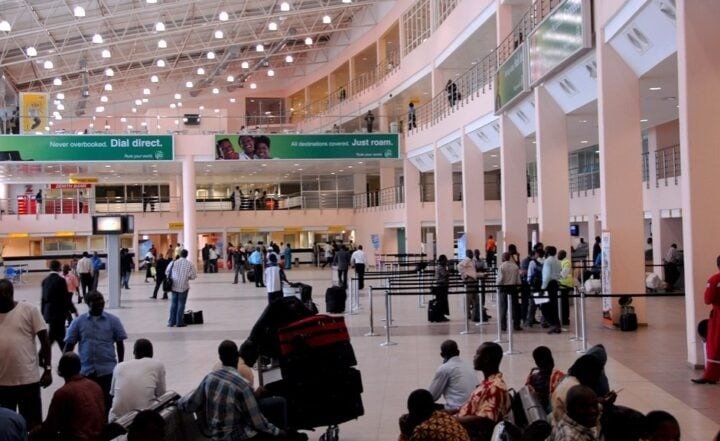
Airport investment, operational efficiency and the race to build more resilient aviation infrastructure will take centre stage in Abuja as Nigeria prepares to host airport operators, policymakers, aviation experts and industry businesses from across Africa for the ACI Africa Annual General Assembly, Regional Conference and Exhibition.
The week-long event, scheduled for September 19–25, will be hosted by the Federal Airports Authority of Nigeria (FAAN) under the theme, “Next-Gen Airports: Driving Performance and Resilience.”
Organised by ACI Africa, the event is expected to provide a platform for airport executives, regulators, government officials, technology providers and other aviation businesses to discuss the investment and operational strategies required to improve the performance of the continent’s airports.
Beyond policy discussions, the programme is expected to have a strong commercial dimension, with airport operators and industry businesses set to explore opportunities around infrastructure investment, technology deployment, airport operations and partnerships.
ACI Africa said the theme would focus on practical measures for improving airport performance while strengthening airports’ ability to withstand disruptions.
Discussions will cover commercial sustainability, airport charging and regulatory frameworks, governance, operational efficiency, customer experience, connectivity and digital transformation.
The breadth of the agenda reflects the growing pressure on African airport operators to balance infrastructure development with commercial sustainability, particularly as passenger traffic and competition for aviation business increase across the continent.
Moreso, the conference provides an opportunity to place its airport infrastructure and investment priorities before a wider audience of African operators, investors, technology companies and aviation businesses.
The programme will feature ACI Africa Board and Committee Meetings, regional conference sessions, an exhibition, business meetings and capacity-building masterclasses.
The exhibition and business meetings are expected to provide opportunities for airport operators and industry suppliers to identify potential partners, showcase solutions and discuss projects covering airport infrastructure, technology and operational services.
Artificial intelligence is also expected to feature prominently in discussions around the future of airport operations.
A masterclass organised with SITA and scheduled for September 25 in Abuja will examine practical applications of artificial intelligence in airports, with a focus on how the technology can improve operational efficiency, resilience and passenger experience.
The conference will also examine the regulatory and governance conditions needed to support airport investment.
Issues around airport charges, regulatory frameworks and commercial sustainability are particularly important for operators seeking to attract private capital and finance infrastructure upgrades while maintaining competitive costs for airlines and passengers.
The event therefore brings together two closely linked priorities for the African aviation sector: mobilising investment and improving the performance of existing airport assets.
For Nigerian stakeholders, the gathering also provides an opportunity to benchmark the country’s airport development and operating strategies against those of other African markets.
Airport executives and policymakers will be able to engage counterparts from across the continent on approaches to infrastructure financing, technology adoption, connectivity, customer service and operational resilience.