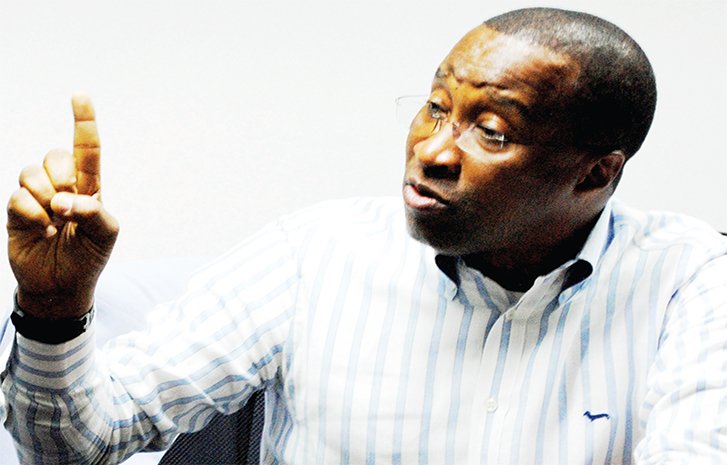
Flight delays are imposing costs on airlines that cannot always be traced to carrier operations, Roland Iyayi, chief executive officer of Top Brass Aviation Limited and a member of the Airline Operators of Nigeria (AON) Board of Trustees, has said.
He pointed to airport congestion, inadequate infrastructure and operational bottlenecks as external factors that can keep aircraft on the ground or in holding patterns, increasing fuel consumption and disrupting subsequent flights.
Iyayi said delays can originate from several points within the airport environment, including congestion, inadequate infrastructure, aircraft parking constraints and passenger-handling processes, even when the affected airline ultimately receives the blame.
His comments come amid the ongoing dispute between the Nigeria Civil Aviation Authority (NCAA) and Air Peace over the regulator’s August flight-delay figures and a wider debate over the causes of Nigeria’s weak on-time flight performance.
According to the NCAA’s August report, domestic airlines recorded 4,765 delayed flights out of 7,961 operations during the month. Air Peace accounted for 1,330 delayed flights out of 1,864 operations captured in the regulator’s data.
Air Peace has disputed the figures, saying it operated 2,564 flights in August and that more than 700 of its flights were not captured by the NCAA’s data. The airline has also argued that some disruptions were caused by factors outside its direct control.
Iyayi said the dispute shows the need for a better assessment of airline punctuality that takes account of the entire airport operating environment.
Congestion adds to airline costs
According to Iyayi, airport congestion can delay aircraft before they are able to commence or complete their scheduled operations, adding costs that airlines ultimately have to absorb.
He cited a recent arrival in Abuja during which a pilot informed passengers that the aircraft had been required to hold for about 30 minutes because of congestion on the ground.
Such holding patterns increase fuel consumption and add to an airline’s operating costs, he said.
Airport infrastructure can also affect the time required to turn an aircraft around for its next flight. Inadequate aircraft parking facilities, for instance, can create delays that subsequently affect passengers scheduled to depart on the same aircraft.
In such circumstances, Iyayi argued, the resulting delay may be recorded against the airline even though its original cause lies outside the carrier’s direct control.
Iyayi also pointed to passenger movement between terminals and aircraft as another area that can influence flight operations.
Some of the facilities and processes involved, he said, are controlled by airport authorities rather than airlines, making it difficult to attribute every delay exclusively to the carrier operating the affected flight.
He therefore called for airline performance assessments to take into account the wider airport environment, rather than assigning full responsibility for delays to airlines.
Beyond infrastructure and operational constraints, Iyayi said communication remains an important part of managing flight disruptions.
He said airlines should provide passengers with clearer explanations when delays are caused by airport congestion, infrastructure limitations or other external factors.
Without timely information, passengers may assume that an airline is solely responsible for a delay, even when the disruption originated elsewhere in the aviation chain.
Improved communication between airlines, airport authorities and passengers, he said, would help reduce uncertainty and give travellers a clearer understanding of what is causing disruptions.
Iyayi also called for more proactive systems to identify operational problems before they develop into prolonged delays.
Such an approach would require closer coordination among airlines, airport authorities and other stakeholders, particularly around congestion, aircraft movements, parking capacity and passenger-handling processes.
The issue is becoming increasingly important as airlines seek to improve aircraft utilisation and control operating costs in an environment where fuel, maintenance and other operational expenses remain significant.
Iyayi’s position is that improving Nigeria’s on-time performance will require responsibility to be assessed across that entire system, while airlines also improve communication with passengers when disruptions occur.