Business A.M
No Result
View All Result
Tuesday, July 14, 2026
  • Login
  • Home
  • Technology
  • Finance
  • Comments
  • Companies
  • Commodities
  • About Us
  • Contact Us
Subscribe
Business A.M
  • Home
  • Technology
  • Finance
  • Comments
  • Companies
  • Commodities
  • About Us
  • Contact Us
No Result
View All Result
Business A.M
No Result
View All Result
Home Banking

Bank earnings cool as top lenders post N1.56trn PBT in Q1 2025

by Admin
January 21, 2026
in Banking, Finance, Frontpage
  • High interest rate drives earnings growth
  • Aggregate PBT shrinks 0.64% year-on-year

Onome Amuge
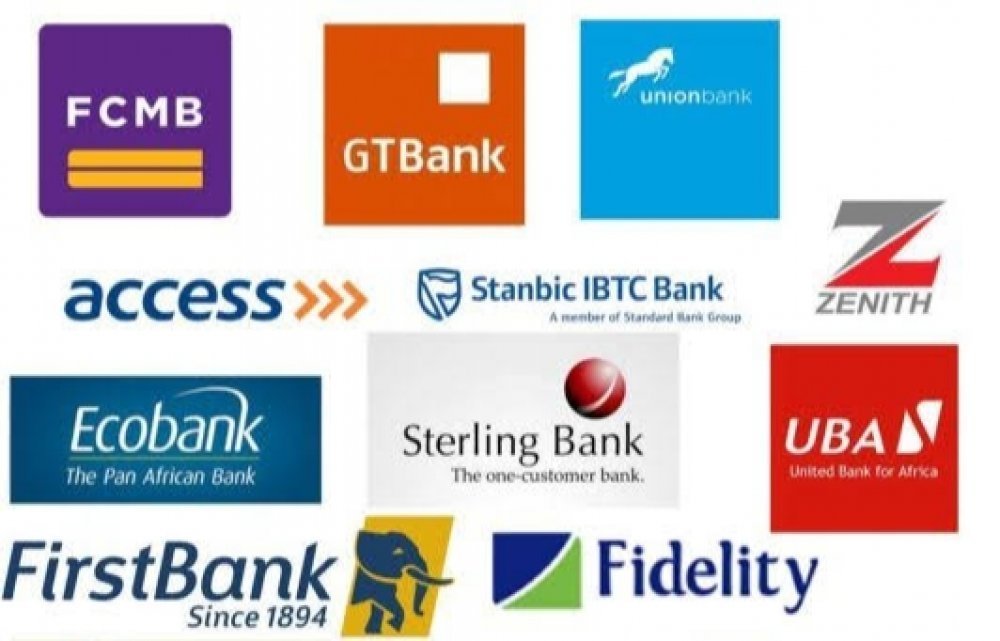
Nigeria’s banking sector delivered a seemingly strong performance in the first quarter of 2025, marked by significant increases in interest income for several lenders and currency-driven gains for a select few. However, beneath the headline figures, there are indications the period of explosive earnings growth that characterised previous reporting cycles may be drawing to a close, with some institutions even witnessing a reversal of fortunes.

An analysis of nine major financial institutions including Access Holdings, Zenith Bank, GTCO, United Bank for Africa (UBA), Fidelity Bank, First Holdco, FCMB Group, Wema Bank, Ecobank , and Stanbic IBTC Holdings, reveal a collective pre-tax profit of N1.56 trillion. Though the figure appears substantial, a closer analysis reveals a marginal decline from the N1.57 trillion recorded in the corresponding period of 2024, signaling a potential inflection point in the sector’s earnings trajectory.

The initial months of the year were characterised by the prevailing high-interest rate environment, a consequence of the Central Bank of Nigeria’s efforts to combat persistent inflation. This policy stance provided a significant boost to the interest income of many banks, as they repriced loan portfolios and benefited from higher yields on investment securities. However, this top-line growth was often accompanied by a corresponding surge in interest expenses, as banks aggressively competed for deposits to fund their expanding loan books and meet increasingly stringent regulatory requirements. This dynamic squeezed net interest margins for some, underscoring the growing cost of funding in the current economic climate.

Furthermore, the persistent fluctuations of the Nigerian naira against major global currencies introduced a significant element of unpredictability. While some banks, strategically positioned with substantial foreign currency holdings or engaged in significant cross-border transactions, reaped substantial revaluation gains, providing a notable fillip to their earnings, others faced headwinds. Institutions with significant foreign currency liabilities or challenges in translating overseas earnings often saw their bottom lines eroded by adverse currency movements. The divergence in non-interest income performance also played a crucial role, with some banks experiencing sharp contractions in this revenue stream, offsetting gains in other areas.

The aggregate figures and individual bank performances for the first quarter of 2025 are prompting analysts to suggest a recalibration of investor expectations for the Nigerian banking sector.  They argue that while the industry remains profitable overall, the era of exceptional, easily generated earnings, often fuelled by one-off foreign exchange revaluations, potentially undervalued equity portfolios, and windfall trading income, appears to be receding.

However, analysts also acknowledge that the Nigerian banking sector remains fundamentally profitable, underpinned by a large and growing population, increasing financial inclusion, and the ongoing opportunities presented by the country’s developing economy. This is as the recently released financials for the first quarter of 2025 provide ample evidence of continued profitability across the board.

Individual bank performances showcase divergent fortunes

Zenith Bank, the sector bellwether, once again demonstrated its earnings prowess, reporting a 10 per cent year-on-year increase in pre-tax profit to N351 billion. This was primarily driven by a 72 per cent increase in interest income to N838 billion, the highest in the sector. The bank’s prudent cost management and improved asset quality further solidified its leading position.

Guaranty Trust Holding Company (GTCO) also delivered a strong performance, posting a pre-tax profit of N300.4 billion. On the flipside, the bank’s profit before tax was down 41 per cent against N509.3 billion recorded in the corresponding period of 2024. Though GTCO did not benefit from the significant fair value gains of the previous year, strong core earnings, with interest income rising by 41.1 per cent, underscored the sustainability of its business model.

Access Holdings, while reporting a 14.7 per cent increase in profit after tax to N182.8 billion, experienced currency headwinds. A substantial rise in interest income to a sector-high of N964.6 billion was partially offset by increased interest expenses and foreign exchange losses, resulting in a marginal increase in pre-tax profit to N222.8 billion and a comprehensive loss for the quarter.

United Bank for Africa (UBA), with its extensive pan-African footprint, reported a 31 per cent increase in pre-tax profit to N204.26 billion, supported by a 36.09 per cent increase in interest income to N599.83 billion, demonstrating the resilience of its diversified business model.

Oliver Alawuba, UBA’s group managing director, attributed the bank’s Q1 performance to the disciplined execution of its strategy and the sustained momentum of the business model of driving strong earnings growth, maintaining robust asset quality, and expanding market share.

First Holdco, on its part, presented subdued pre-tax revenue. Profit before tax stood at N186.5 billion in the first three months of 2025, representing a decline from N234.2 billion in Q1 2024

Despite a strong increase in net interest income, a sharp contraction in non-interest income led to a 17.9 per cent decline in net profit to N167.4 billion.

Fidelity Bank recorded a rise in profitability, with pre-tax profit more than doubling to N105.8 billion and profit after tax soaring by 190 per cent to N91.1 billion, compared to the first quarter of 2024. The strong growth, according to the bank, was fuelled by a combination of strong interest income growth and significant gains from foreign currency revaluation.

FCMB Group reported a steady increase in profit after tax to N32.2 billion, supported by solid growth in interest income. However, the absence of one-off gains that boosted the previous year’s performance limited overall profitability growth, with pre-tax profit rising to N35.0 billion.

Wema Bank delivered a 269 per cent year-on-year leap in pre-tax profit to N41.2 billion, primarily driven by a robust increase in interest income to N110.3 billion.

Ecobank Transnational Incorporated (ETI), reporting its financials in US dollars, saw its pre-tax profit rise by 17 per cent to $175m, benefiting from favourable currency translation effects across its pan-African operations.

Stanbic IBTC Holdings reported a 80 per cent surge in profit, driven by a substantial increase in net interest income, with pre-tax profit reaching N116.4 billion.

While the elevated interest rate environment continues to offer a substantial lift to interest income, the first quarter financials showcased by some of the banks indicates that the era of readily available, currency-driven profits is receding. Lenders now face mounting pressure from escalating funding costs and the persistent bite of inflationary pressures on their operating expenses.

According to analysts, as the financial year progresses, the critical determinants of future profitability and the capacity to deliver sustainable investor returns in what is now a more demanding operating environment will hinge on the banks’ ability to effectively manage their cost bases, strategically address the volatility of the naira, and rigorously maintain asset quality.

In 2025, the Nigerian banking sector is expected to see continued growth and resilience, driven by both strategic reforms and innovation, while also facing challenges like inflation and exchange rate fluctuations. Loan growth is forecast to average 25%-30%, with banks expected to maintain adequate ROE (20%-25%). Regulatory changes and market transparency initiatives are anticipated to enhance the financial environment, fostering a more stable and sustainable sector.

In essence, the 2025 outlook for the Nigerian banking sector is cautiously optimistic, with expected growth fueled by reforms, innovation, and a stable financial environment, while navigating challenges like inflation and exchange rate fluctuations.


Admin
Admin
Previous Post

Airports without permit to be sanctioned by NCAA

Next Post

Zoho Creator gets AI boost to improve developer innovation

Next Post

Zoho Creator gets AI boost to improve developer innovation

  • Trending
  • Comments
  • Latest

CBN to issue N1.5bn loan for youth led agric expansion in Plateau

July 29, 2025

How UNESCO got it wrong in Africa

May 30, 2017

Glo, Dangote, Airtel, 7 others prequalified to bid for 9Mobile acquisition

November 20, 2017
NGX taps tech advancements to drive N4.63tr capital growth in H1

Insurance-fuelled rally pushes NGX to record high

August 8, 2025

6 MLB teams that could use upgrades at the trade deadline

Top NFL Draft picks react to their Madden NFL 16 ratings

Paul Pierce said there was ‘no way’ he could play for Lakers

Arian Foster agrees to buy books for a fan after he asked on Twitter

NAAPE moves to shield pilots, engineers with loss-of-licence insurance scheme

NAAPE moves to shield pilots, engineers with loss-of-licence insurance scheme

July 14, 2026
Global airlines are investing heavily in economy class cabins as competition for passengers shifts beyond ticket prices to the quality of the travel experience, prompting carriers to modernise fleets, redesign cabins and enhance onboard services in a bid to strengthen customer loyalty and improve long-term profitability. The renewed focus reflects a transformation in the aviation industry, where economy class, despite offering lower fares than premium cabins, remains the largest contributor to passenger volumes and an increasingly important driver of commercial performance. With millions of travellers continuing to prioritise affordability, airlines are finding that modest improvements in comfort and convenience can translate into stronger repeat business, improved customer satisfaction and higher ancillary revenues. As a result, carriers are directing substantial investment towards upgrading economy cabins through newer aircraft, ergonomically designed seats, advanced inflight entertainment systems, onboard connectivity, enhanced catering and improved cabin service. Industry analysts say the strategy is becoming a key differentiator as airlines compete more aggressively for passengers on both regional and long-haul routes. Unlike business and first-class travellers, whose numbers are relatively limited, economy passengers account for the overwhelming majority of airline traffic, making their overall travel experience increasingly central to airlines' growth strategies. Rather than relying solely on fare reductions to attract customers, airlines are seeking to build stronger brand loyalty by improving the value passengers receive throughout their journeys. "Passenger expectations have changed significantly. Travellers increasingly compare airlines based not only on ticket prices but also on comfort, reliability, connectivity and the overall onboard experience," aviation analysts note. Several of the world's leading airlines have already embraced the strategy. Carriers including Singapore Airlines, Qatar Airways, Emirates, Turkish Airlines, All Nippon Airways (ANA), EVA Air and Cathay Pacific have invested significantly in upgrading their economy cabins through improved seating, larger entertainment libraries, enhanced meal services and customer-focused cabin experiences. Although each airline has adopted different approaches, the underlying objective remains the same: making economy travel more comfortable for the largest segment of their customer base while strengthening long-term commercial competitiveness. Fleet modernisation is playing a critical role in that transformation. Next-generation aircraft such as the Boeing 787 Dreamliner, Airbus A350 and Airbus A321neo are enabling airlines to improve the passenger experience while simultaneously lowering operating costs. Compared with older aircraft, these models offer quieter cabins, larger windows, improved air quality, better humidity control and greater fuel efficiency, creating benefits for both passengers and airline operators. The newer aircraft also reduce fuel consumption and maintenance expenses, allowing airlines to improve customer experience without significantly increasing operating costs over the aircraft's lifespan. Technology has emerged as another major area of investment. Features once reserved almost exclusively for premium cabins, including USB charging ports, wireless internet connectivity, mobile application integration and personalised digital entertainment platforms, are increasingly becoming standard in economy class. Passengers are also benefiting from greater control over their travel experience, with digital services allowing them to access entertainment, communicate onboard and manage various aspects of their journeys more conveniently. The growing investment reflects changing consumer expectations in an increasingly digital travel environment. Recent international passenger satisfaction surveys consistently indicate that airlines investing in cabin comfort, inflight technology and customer service continue to perform strongly in global service rankings. While competitive pricing remains an important consideration for travellers, customer experience has become an increasingly influential factor in airline selection, particularly on medium and long-haul routes where comfort plays a greater role in purchasing decisions. The trend is expected to reshape competition within Africa's aviation industry as airlines expand their fleets to meet growing passenger demand.

Global airlines raise economy class spending to win passenger loyalty

July 14, 2026
US

How Vulnerable Are US Financial Markets?

July 14, 2026
Development

Reinventing Development Finance

July 14, 2026

Popular News

  • CBN to issue N1.5bn loan for youth led agric expansion in Plateau

    0 shares
    Share 0 Tweet 0
  • How UNESCO got it wrong in Africa

    0 shares
    Share 0 Tweet 0
  • Glo, Dangote, Airtel, 7 others prequalified to bid for 9Mobile acquisition

    0 shares
    Share 0 Tweet 0
  • Insurance-fuelled rally pushes NGX to record high

    0 shares
    Share 0 Tweet 0
  • Major tech companies conquering Africa with sports

    0 shares
    Share 0 Tweet 0
Currently Playing

CNN on Nigeria Aviation

CNN on Nigeria Aviation

Business AM TV

Edeme Kelikume Interview With Business AM TV

Business AM TV

Business A M 2021 Mutual Funds Outlook And Award Promo Video

Business AM TV

Recent News

NAAPE moves to shield pilots, engineers with loss-of-licence insurance scheme

NAAPE moves to shield pilots, engineers with loss-of-licence insurance scheme

July 14, 2026
Global airlines are investing heavily in economy class cabins as competition for passengers shifts beyond ticket prices to the quality of the travel experience, prompting carriers to modernise fleets, redesign cabins and enhance onboard services in a bid to strengthen customer loyalty and improve long-term profitability. The renewed focus reflects a transformation in the aviation industry, where economy class, despite offering lower fares than premium cabins, remains the largest contributor to passenger volumes and an increasingly important driver of commercial performance. With millions of travellers continuing to prioritise affordability, airlines are finding that modest improvements in comfort and convenience can translate into stronger repeat business, improved customer satisfaction and higher ancillary revenues. As a result, carriers are directing substantial investment towards upgrading economy cabins through newer aircraft, ergonomically designed seats, advanced inflight entertainment systems, onboard connectivity, enhanced catering and improved cabin service. Industry analysts say the strategy is becoming a key differentiator as airlines compete more aggressively for passengers on both regional and long-haul routes. Unlike business and first-class travellers, whose numbers are relatively limited, economy passengers account for the overwhelming majority of airline traffic, making their overall travel experience increasingly central to airlines' growth strategies. Rather than relying solely on fare reductions to attract customers, airlines are seeking to build stronger brand loyalty by improving the value passengers receive throughout their journeys. "Passenger expectations have changed significantly. Travellers increasingly compare airlines based not only on ticket prices but also on comfort, reliability, connectivity and the overall onboard experience," aviation analysts note. Several of the world's leading airlines have already embraced the strategy. Carriers including Singapore Airlines, Qatar Airways, Emirates, Turkish Airlines, All Nippon Airways (ANA), EVA Air and Cathay Pacific have invested significantly in upgrading their economy cabins through improved seating, larger entertainment libraries, enhanced meal services and customer-focused cabin experiences. Although each airline has adopted different approaches, the underlying objective remains the same: making economy travel more comfortable for the largest segment of their customer base while strengthening long-term commercial competitiveness. Fleet modernisation is playing a critical role in that transformation. Next-generation aircraft such as the Boeing 787 Dreamliner, Airbus A350 and Airbus A321neo are enabling airlines to improve the passenger experience while simultaneously lowering operating costs. Compared with older aircraft, these models offer quieter cabins, larger windows, improved air quality, better humidity control and greater fuel efficiency, creating benefits for both passengers and airline operators. The newer aircraft also reduce fuel consumption and maintenance expenses, allowing airlines to improve customer experience without significantly increasing operating costs over the aircraft's lifespan. Technology has emerged as another major area of investment. Features once reserved almost exclusively for premium cabins, including USB charging ports, wireless internet connectivity, mobile application integration and personalised digital entertainment platforms, are increasingly becoming standard in economy class. Passengers are also benefiting from greater control over their travel experience, with digital services allowing them to access entertainment, communicate onboard and manage various aspects of their journeys more conveniently. The growing investment reflects changing consumer expectations in an increasingly digital travel environment. Recent international passenger satisfaction surveys consistently indicate that airlines investing in cabin comfort, inflight technology and customer service continue to perform strongly in global service rankings. While competitive pricing remains an important consideration for travellers, customer experience has become an increasingly influential factor in airline selection, particularly on medium and long-haul routes where comfort plays a greater role in purchasing decisions. The trend is expected to reshape competition within Africa's aviation industry as airlines expand their fleets to meet growing passenger demand.

Global airlines raise economy class spending to win passenger loyalty

July 14, 2026

Categories

  • Frontpage
  • Analyst Insight
  • Business AM TV
  • Comments
  • Commodities
  • Finance
  • Markets
  • Technology
  • The Business Traveller & Hospitality
  • World Business & Economy

Site Navigation

  • Home
  • About Us
  • Contact Us
  • Privacy & Policy
Business A.M

BusinessAMLive (businessamlive.com) is a leading online business news and information platform focused on providing timely, insightful and comprehensive coverage of economic, financial, and business developments in Nigeria, Africa and around the world.

© 2026 Business A.M

Welcome Back!

Login to your account below

Forgotten Password?

Retrieve your password

Please enter your username or email address to reset your password.

Log In
No Result
View All Result
  • Home
  • Technology
  • Finance
  • Comments
  • Companies
  • Commodities
  • About Us
  • Contact Us

© 2026 Business A.M