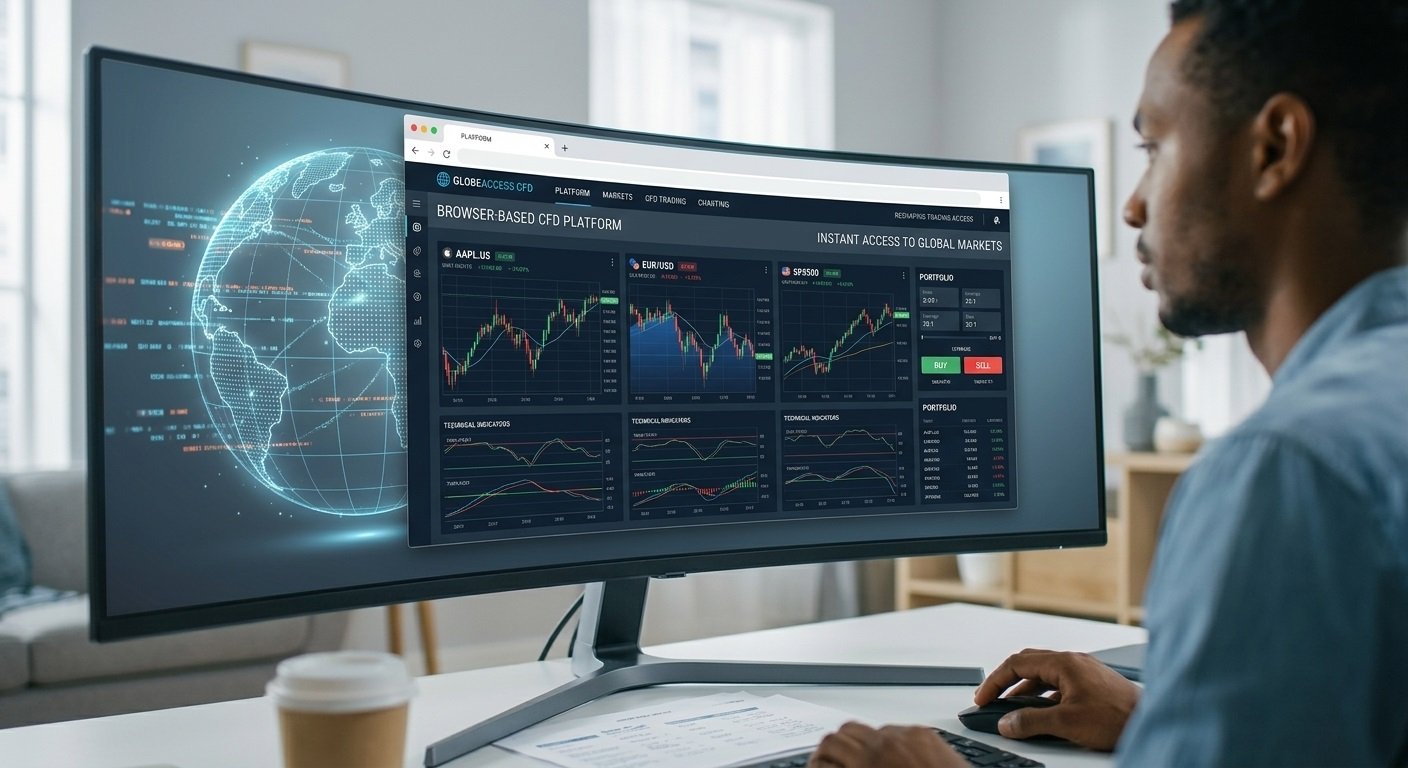
The growing use of browser-based trading platforms is changing how investors access global Contracts for Difference (CFD) markets, as trading increasingly moves away from software that must be installed on individual computers.
Web-based platforms allow users to access trading terminals directly through internet browsers, reducing the need to download, install and configure dedicated desktop applications before monitoring markets or placing trades.
The shift is part of a wider move towards multiplatform access to financial markets, with traders increasingly able to switch between desktop, mobile and browser-based interfaces depending on their location and trading needs.
CFDs are financial derivatives that allow traders to speculate on the price movements of assets without owning the underlying assets. They are commonly offered across markets including foreign exchange, commodities, equities, stock indices and cryptocurrencies.
Browser-based platforms can provide access to these instruments through a single interface, allowing users to monitor different markets without maintaining separate software installations.
The development also means traders can access their accounts from different computers, provided they have an internet connection and the relevant login credentials. This can be useful for users who move between devices or do not want their trading activities tied to a single computer.
Market movements driven by economic data, central bank decisions, corporate earnings, commodity prices and geopolitical developments can occur rapidly, making timely access to trading platforms important for participants.
However, easier access does not remove the risks associated with CFD trading. CFDs are leveraged products and can result in losses, including losses that may be substantial relative to the amount initially committed, depending on the terms of the product and the level of leverage used.
The increased availability of browser-based platforms therefore represents a change in how traders interact with markets rather than a reduction in the underlying financial risks.
For less experienced users, simpler web interfaces can also make basic functions such as viewing charts, checking prices, monitoring account balances and executing orders more accessible. More experienced traders, meanwhile, can use browser-based terminals alongside desktop and mobile applications as part of a broader trading setup.
The development reflects the wider financial technology trend towards services that can be accessed across multiple devices rather than being tied to specific hardware.
JustMarkets, a global trading services provider, is among brokers offering CFD instruments through platforms that include browser-based, desktop and mobile options.
The growing availability of web-based trading terminals suggests that browser access is becoming another component of the digital infrastructure through which traders participate in global financial markets, alongside traditional desktop applications and mobile trading platforms.