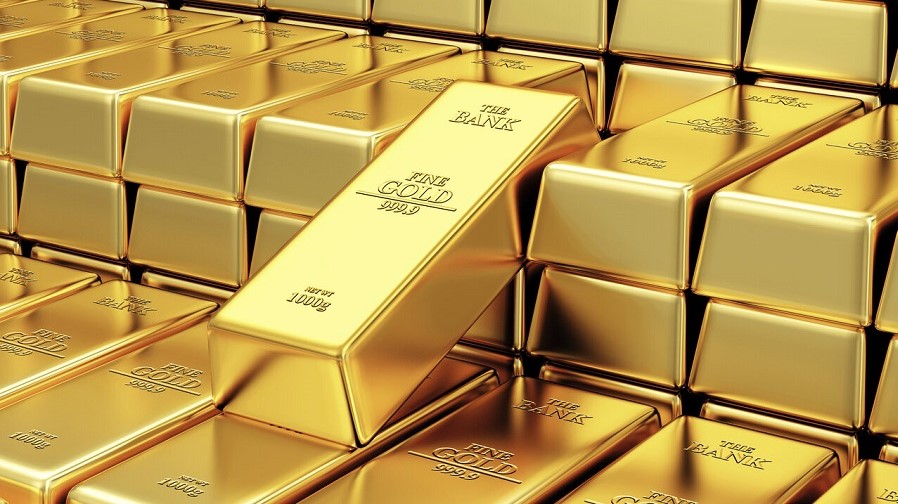
Gold prices held steady on Friday, extending a fourth consecutive weekly gain as easing geopolitical tensions between the United States and Iran tempered inflation expectations and shifted interest rate outlooks in global financial markets.
Spot gold was unchanged at $4,789.67 per ounce, while still up 0.9 per cent for the week. U.S. gold futures for June were similarly flat at $4,809.30, reflecting a market in consolidation after recent volatility driven by conflict-related risk premiums.
The precious metal’s resilience comes amid tentative signs of diplomatic de-escalation in the Middle East. A 10-day ceasefire between Lebanon and Israel took effect on Thursday, while U.S. President Donald Trump indicated that the next round of U.S.-Iran discussions could take place over the weekend.
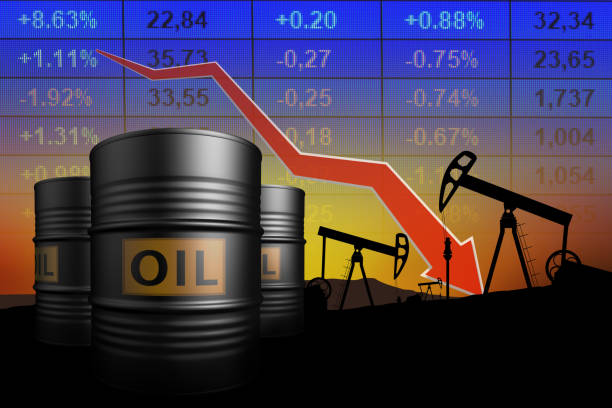
Market participants are increasingly positioning around the possibility that a broader easing of regional tensions could reduce energy price pressures and, by extension, inflation expectations.
“Investors are now watching closely for concrete progress in U.S.-Iran negotiations. Any progress or extension of the current fragile ceasefire could further calm oil markets and inflation fears, potentially unlocking more upside for gold,” said Tim Waterer, chief market analyst at KCM Trade.
Since the escalation of hostilities in late February, gold has retreated more than 8%, largely on fears that higher oil prices would feed inflation and force global central banks to maintain elevated interest rates for longer.
While gold is traditionally viewed as an inflation hedge, higher interest rates reduce its attractiveness by increasing the opportunity cost of holding non-yielding assets.
The U.S. dollar edged higher after touching a six-week low in the previous session, though it remains on track for a second consecutive weekly decline. A weaker dollar typically supports gold by making it cheaper for holders of other currencies.
Despite the mild dollar rebound, gold continues to benefit from broader macroeconomic uncertainty and shifting expectations around monetary policy.
Traders are currently pricing in a 27 per cent probability of a 25-basis-point interest rate cut by the U.S. Federal Reserve in December, a significant adjustment from earlier expectations of two rate cuts before geopolitical tensions escalated.
BMI, a unit of Fitch Solutions, noted that while some downside pressure on gold may emerge as the year progresses, ongoing geopolitical risks are likely to provide structural support.
“We expect further downside pressure as the year progresses, but ongoing geopolitical risks are likely to keep prices supported above a firm floor of $3,500 per ounce, underpinned by gold’s safe-haven characteristics,” the firm said in a note.
The metal’s safe-haven appeal has remained intact even as short-term inflation expectations fluctuate with energy market movements.
Other precious metals also reflected a positive weekly trend despite mixed daily performance.
Spot silver edged down 0.2 per cent to $78.26 per ounce but leaned towards a fourth straight weekly gain, supported by both industrial demand expectations and safe-haven flows.
Platinum declined 0.5 per cent to $2,075.30, while palladium rose 0.1 per cent to $1,552.91.Both metals experienced a third consecutive weekly gain, reflecting sustained tightness in supply fundamentals and steady industrial demand from the automotive sector.