
A few years ago, I pitched an idea in a leadership meeting at a large humanitarian organisation. I thought Nigeria should produce ready-to-use therapeutic food for malnourished children inside the country to serve the west Africa region, instead of relying on supply chains that start far away. It would lower costs, build local capacity and keep the benefit at home. The response was polite and fair. The organisation saw its job as delivering programmes, not producing food, and the idea went no further.
I have thought about that meeting many times since. I don’t think the idea was wrong. I think we were asking the wrong question. We asked whether it fit the organisation’s mandate. We never asked what it could make possible.
That question came back to me last week when I read the keynote Dr. Akinwumi Adesina gave in Arusha to the chairpersons and chief executives of Tanzania’s state-owned enterprises. Early in the speech he says that ownership is not the destination, value creation is. Then he asks what government ownership can make possible.
Tanzania has set its sights on a US$1 trillion economy by 2050 under Dira 2050. The speech did not start with what that will cost. It started with what the country already has: companies, land, infrastructure, financial assets, institutions and people. Any African country could write the same list. Our ports, power utilities, airlines and telecoms sit at the centre of our economies, and many of them do good work under real constraints. The opportunity is to ask how each one could contribute more to growth, jobs and public services.
The answer his speech offers is practical. Boards govern and management manages, and the board holds the chief executive to results. Commercial enterprises should perform commercially. Public-service enterprises should be judged by the people who use them, which is why he proposed a Public Service Delivery Index built on citizen experience. A public investment fund should back promising enterprises alongside a real transformation plan, then recycle that capital once the company can stand on its own. Listing comes last, when the business is strong enough that pension funds and ordinary citizens want to own part of it.
I have been working recently on a related idea I call investment governance. It means deciding which form of capital should carry which risk, and when, so that the result lasts instead of just buying time. It is not the same as blended finance, which is a way of combining money. Investment governance is the judgment about what the money is for and what has to be true before the next tranche moves. When the keynote talks about matching the right capital to the right opportunity, and about capital arriving with reform, I recognise the same thinking. Money without conditions gets absorbed and little changes. Reform without means rarely gets delivered. The two need to move together. The Global Africa Investment Summit/Solution (GAIS), co-founded by Dr. Adesina and Margery Kraus, Founder and Executive Chairman of APCO Worldwide, is working on the same problem from another direction.
I also like the order of the speech. People and governance come first, then technology and capital, and listing comes last. A good deal of what the world calls African investment risk is governance risk, and governance risk can be dealt with. A board with the right mix of industry, finance and risk experience, a chief executive with clear targets, and financial reports an investor can trust will do more for the cost of capital than any roadshow. Investors do not need Africa to be risk-free. They need institutions they can read.
The keynote speaks from inside the enterprise: the board, the chief executive, the balance sheet. I recently had a chance to look at the same problem from the asset side. GAIS is building an intelligence layer across African sovereign assets, covering energy, ports and logistics, mining, power, transport and state-owned enterprises. I won’t describe how it works, because its value lies in being applied to specific assets in specific markets. But it reinforced a point I made in an earlier column. The constraint on African investment was never potential. It was readiness.
Consider the scale. The African Development Bank’s own figures put the continent’s pension and sovereign wealth assets at close to $4 trillion, and too much of it sits in low-yield instruments because too few domestic assets are structured well enough to receive it. An asset can matter a great deal and still not be investable. Ownership may be unclear. Governance may be untested. The regulatory path may be unpredictable, the data thin, the commercial structure not yet built. Investors also want an honest view of political, social and environmental risk, because it shapes long-term value.
So, the two sides of this conversation fit together. The speech asks leaders to build institutions worth owning. GAIS is working on how to see, asset by asset, what stands between where an asset is today and where a serious investor would commit. Some assets need a partner. Some need capital or technical expertise. Others need reform before private capital can engage at all. If I were a Minister of Finance, that is the question I would want answered for every strategic asset I oversee. Very few governments have had the tools to ask it systematically.
None of these ends at Tanzania’s border. I work between Kenya and Nigeria, and the same questions apply in both. Who sits on the board? What has this capital produced? Which assets could work harder? Would our own citizens be proud to hold a share? That last question may be the strongest one in the speech. When a public company is built well enough to list, and ordinary savers can own a piece of it, ownership becomes real to people. They become participants in what their country builds.
It carries weight that this came from Dr. Adesina. He led the African Development Bank for ten years and knows what reform asks of those who lead it. He also said plainly that Tanzania should take principles from Singapore, Malaysia and Saudi Arabia without copying any of them. I think that is the right approach for all of us. We are not asking anyone to lower the bar. We are asking to be measured by the same standards, and we mean to meet them.
I still think about that therapeutic food idea. I am glad to hear it is now being looked at seriously, and I credit the colleagues and partners in Nigeria who kept the conversation going. Ideas rarely travel alone. They need champions, patient institutions and the right moment. What was said in Arusha, and what GAIS is building alongside it, helps create that moment, by asking what we own and what it could become. If we answer well, in Tanzania, Kenya, Nigeria and across the continent, the next good idea will not have to wait so long to be heard.
- business a.m. commits to publishing a diversity of views, opinions and comments. It, therefore, welcomes your reaction to this and any of our articles via email: comment@businessamlive.com

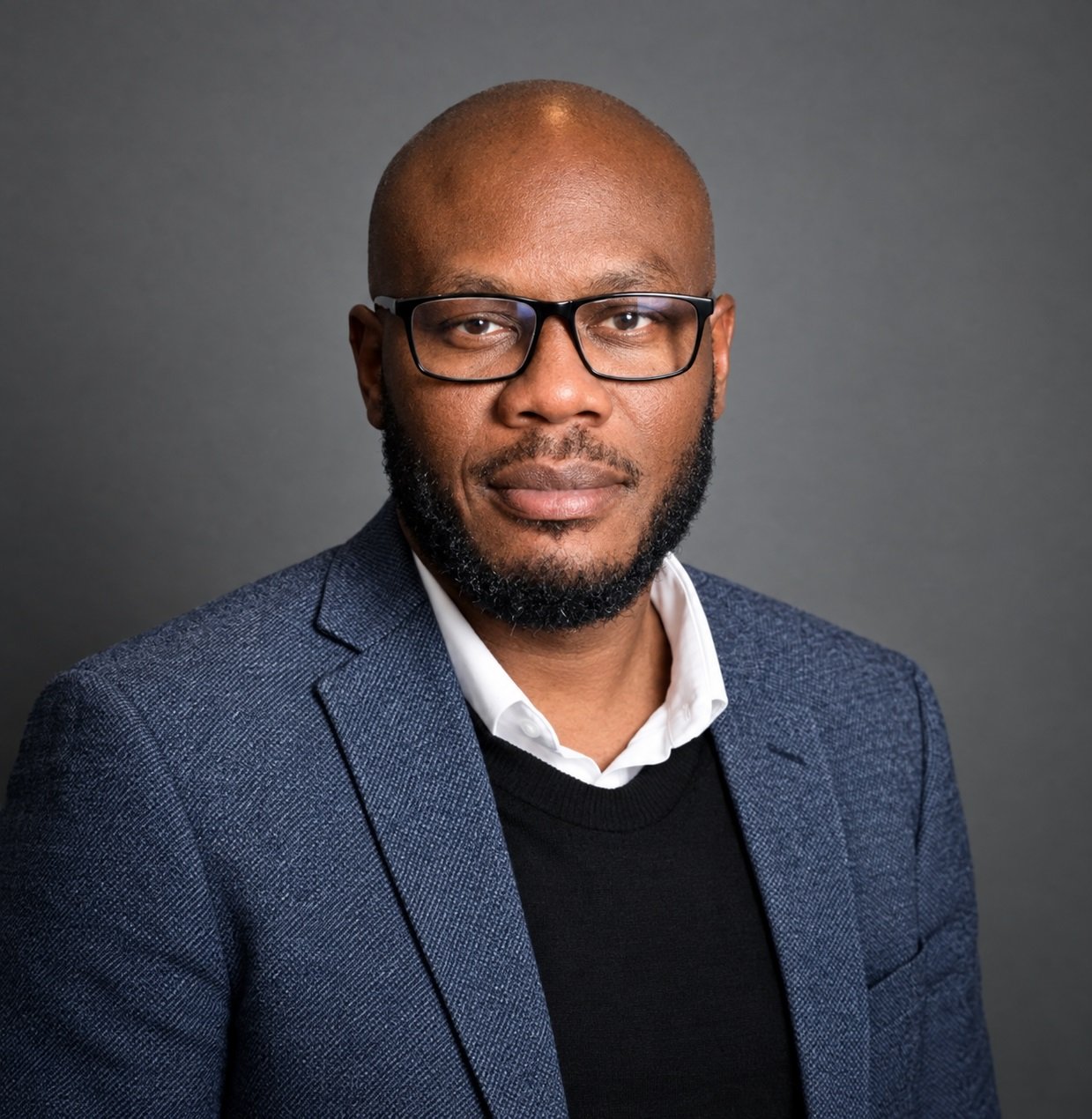
Dr. Wale Osofisan, PhD, is a seasoned governance strategist and policy analyst with over 23 years of experience advancing African-led, evidence-based solutions to political transitions, humanitarian crises and development challenges.






How urban planning can reduce poverty in communities