The Hershey Company has committed $2.5 million to a four-year conservation and sustainable agriculture initiative in Cross River State, as the global chocolate maker seeks to strengthen cocoa supply chain resilience, improve farmer livelihoods and support deforestation-free production in one of Nigeria’s most important cocoa-producing regions.
The project, announced in partnership with the Wildlife Conservation Society (WCS), will combine climate-smart cocoa farming, agroforestry, forest protection and improved supply chain traceability to address the environmental and economic pressures facing cocoa production in the state.
The investment comes as West Africa’s cocoa sector grapples with climate pressures, persistent livelihood constraints among farmers and growing concerns over deforestation, highlighting the need for more sustainable production systems to secure long-term supplies.
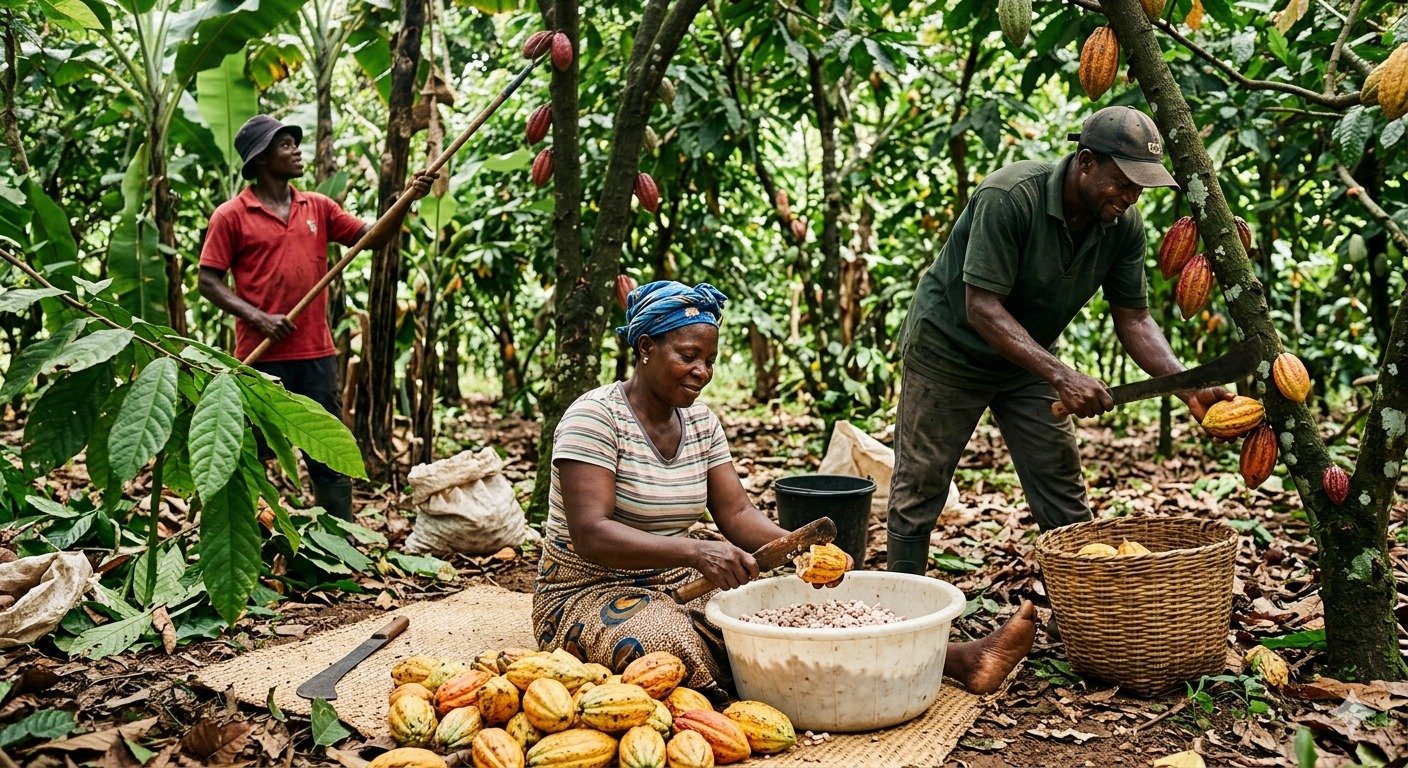
Cross River State contains Nigeria’s largest remaining rainforest and contributes nearly one-third of the country’s cocoa exports. More than 100,000 households depend on cocoa farming for their livelihoods, making the sustainability of the sector significant to rural incomes, agricultural output and export earnings.
The landscape also supports threatened wildlife, including critically endangered Cross River gorillas, Nigeria-Cameroon chimpanzees, drill monkeys and forest elephants, placing additional importance on efforts to balance agricultural production with biodiversity conservation.
Balarabe Abbas Lawal, minister of environment, said the partnership aligned with the government’s objective of developing a sustainable cocoa sector that supports economic growth while protecting forests.
He said the initiative would promote deforestation-free cocoa production, improve farmer livelihoods and protect endangered species, adding that collaboration between government and private sector investors was important to securing long-term supply stability and safeguarding the country’s forest resources.
Tricia Brannigan, vice president and chief procurement officer at The Hershey Company, said the long-term resilience of cocoa depended on thriving farming communities and healthy landscapes.
Angela Tejada Chavez, director of sustainable sourcing cocoa at Hershey, said the company would work with farmers, communities, government agencies and supply chain partners to improve livelihoods, protect forests and strengthen the long-term sustainability of cocoa production.
The initiative will support farmers in adopting climate-smart production practices and agroforestry, which integrates trees into agricultural systems, while strengthening community-based natural resource management and forest protection.
It will also improve traceability across the cocoa supply chain, helping identify the origins of cocoa and reduce the risk of production linked to deforestation.
A key objective of the programme is to help farmers improve productivity and climate resilience while maintaining access to markets increasingly focused on the environmental sustainability of agricultural commodities.
The initiative is expected to help producers prepare for emerging market requirements, including the European Union Deforestation Regulation (EUDR), which places requirements on relevant commodities and products entering or being placed on the EU market to demonstrate that they are not associated with deforestation.
The partnership is set to bring together local communities, federal and state government agencies, supply chain participants and civil society organisations to coordinate interventions across the Cross River landscape.
Joe Walston, executive vice president of WCS Global Program, said agricultural production and wildlife conservation did not have to compete when interventions were properly designed.
He said the partnership would seek to demonstrate how conservation, community livelihoods and sustainable cocoa production could reinforce one another in a landscape that is important both for biodiversity and the regional cocoa economy.
Inaoyom Imong, WCS Nigeria country director, said the programme would help farmers improve productivity, strengthen climate resilience and access new market opportunities while protecting critical forest habitats.
WCS, which has worked in Cross River State for more than 20 years, will draw on its existing conservation programmes and relationships with communities and government agencies to implement the initiative.
The Cross River initiative also forms part of Hershey’s commitment to support one million hectares of regenerative agriculture, restorative or protective practices, according to the announcement.
The company’s investment reflects growing attention among global food manufacturers to the environmental and social conditions underpinning agricultural supply chains, particularly commodities exposed to climate risks and deforestation pressures.
The initiative is also designed to provide a model that could be refined and expanded to other cocoa-producing regions in Nigeria and beyond.
By linking conservation funding with agricultural productivity and supply chain requirements, the partnership seeks to showcase how commercial cocoa production can support rural economic activity without increasing pressure on one of the country’s most important rainforest landscapes.